The Daily Chomp
The latest from Chomps, including recipes, community stories, lifestyle tips, and conversations with business leaders.

Our Blog
Brand, wellness, culture
Recipes
Simple, protein-packed meals
Chompians
Community spotlights
Lifestyle
Keto, Gluten-Free, Celiac-Friendly
Holidays
Seasonal Snack Ideas

Our Blog

Our Blog
Health Benefits of Spicy Food
Spicy chili, salsas, and sauces get their heat from fresh or dried chili peppers such as jalapenos, habaneros, and shishito peppers. Capsaicin is the compound found in chili peppers that causes the burning sensation you feel when you eat something spicy. Research credits capsaicin for the health benefits of spicy food. If you need a reason to experiment with more spice, here are 4 proven health benefits of eating spicy food. Supports Weight Loss Eating spicy food could help you shed unwanted pounds by: 1. Boosting metabolism. Capsaicin raises resting energy expenditure (REE), [1] or the baseline amount of calories your body burns before factoring in physical activity. Weight loss occurs when you burn more energy than you eat, so an increase in metabolic rate increases the likelihood of losing weight. Capsaicin actually stimulates your body to produce more heat. It does this by targeting brown adipose tissue, which is a type of fat responsible for producing heat to maintain your body’s core temperature and protect your organs from cold. This process uses energy, which may explain how spicy foods bump up metabolism. 2. Decreasing hunger. If you find yourself still hungry after a meal, adding spice can help counter your appetite. For starters, it’s hard to over indulge on spicy food since a little heat goes a long way. Besides the burning sensation your tastebuds experience, spicy foods can help you eat less by increasing satiety. [2] Researchers believe capsaicin may act on the hypothalamus, the part of your brain responsible for sending you hunger and fullness signals. 3. Triggering fat burn. There’s evidence that capsaicin reduces the creation of new fat cells and increases the breakdown of existing fat cells. Less fat being stored in your body equals a decrease in your overall weight. Supports Healthy Digestion It may seem counterintuitive that spicy foods benefit digestion, since many people associate heartburn with spicy food. However, research suggests that capsaicin improves the bacteria in your digestive system—aka your gut microbiome. [3] Having a healthy microbiome is linked to improved digestion, decreased inflammation, enhanced immunity, and weight loss. Supports Overall Health Capsaicin works as an anti-inflammatory and antioxidant in the body, which means spicy foods may offer some protection against serious health concerns and chronic disease. Research has found individuals who regularly crave spicy food are less likely to develop or die from chronic illness, like heart disease, type 2 diabetes, and cancer. [4] Supports Mood Many heat-seekers say spicy food triggers an endorphin rush. The answer lies in the nervous system. The spicy burning sensation prompts a pain response and the brain releases feel-good compounds to counteract that pain, which may raise your spirits. How to Include More Spicy Foods If spicy food makes you think of buffalo wings and jalapeno poppers, you might be wondering: is spicy food healthy? Fried foods like these are high in fat and calories and best enjoyed in moderation. Cooking with a variety of fresh or dried chili peppers or spices like red pepper flakes and cayenne pepper can be a healthy way to up your spice intake. If you’re not used to eating or cooking with chili peppers, it can be intimidating to know where to start. Too much spice can overpower a dish, set your mouth on fire to the point of being uncomfortable, and cause digestive upset, like heartburn and diarrhea. Try adding a mild pepper, like poblano, jalapeno, or a pinch of red pepper flakes, to chili, soups, and stir frys. If you’re cooking for others who don’t like spice, snacks are a great opportunity to sneak in some extra spice. Chomps meat sticks are a high-quality protein snack made with simple, real ingredients. Each flavor has a 3-point spice rating so it’s easy to choose a meat stick with the right amount of spice for your tastes. For a subtle spicy snack that’s not too hot, try Chomps Jalapeno Beef or Nashville Hot Chicken meat sticks. These flavors are rated a 2 out of 3 and 3 out of 3 on the spice scale. Not everyone loves the heat of spicy food, but adding a bit of spice to your food can actually support your health. The health benefits of spicy foods are maximized when capsaicin-containing foods are routinely eaten. Don’t worry—you don’t have to start pouring copious amounts of hot sauce on your meals or ordering the 5-alarm chili. Try adding chili peppers to recipes made with lean protein, vegetables, and whole grains. Chomps meat snacks made with chili peppers are another healthy way to spice up your life. They can be eaten by themselves or added to other dishes, like tacos and salads, for a touch of spice. Stock up on spicy meat at the Chomps store. References [1] Rigamonti, Antonello E et al. “Acute administration of capsaicin increases resting energy expenditure in young obese subjects without affecting energy intake, appetite, and circulating levels of orexigenic/anorexigenic peptides.” Nutrition research (New York, N.Y.) vol. 52 (2018): 71-79. doi:10.1016/j.nutres.2018.02.002 [2] Zheng, Jia et al. “Dietary capsaicin and its anti-obesity potency: from mechanism to clinical implications.” Bioscience reports vol. 37,3 BSR20170286. 11 May. 2017, doi:10.1042/BSR20170286 [3] Rosca, Adrian Eugen et al. “Capsaicin and Gut Microbiota in Health and Disease.” Molecules (Basel, Switzerland) vol. 25,23 5681. 2 Dec. 2020, doi:10.3390/molecules25235681 [4] Lv, Jun, et al. “Consumption of Spicy Foods and Total and Cause Specific Mortality: Population Based Cohort Study.” BMJ, vol. 351, 4 Aug. 2015, p. h3942. READ MORE
Our Blog
Whole30 Reintroduction Tips and Recipes
The Whole30 diet is appealing because it’s only 30 days long. If you’re in the middle of a Whole30 plan or preparing to start, you might wonder what happens after day 30. In this article, we’ll cover everything you need to know about eating after Whole30 and provide tips and recipes for reintroducing gluten, beans, dairy, and more. What is the Whole30 Reintroduction? Whole30 is a 30-day food elimination diet that eliminates the following food groups: Dairy: Cow’s milk, yogurt, cream cheese, and ice cream Sugar and Sweeteners: Table sugar, brown sugar, honey, maple syrup, agave, sugar substitutes, and stevia Grains: Wheat, oats, barley, rye, corn, rice, and quinoa Legumes: Beans, lentils, soybeans, soy products, and peanuts These foods are believed to contribute to digestive trouble, inflammation, fatigue, and brain fog. The plan also eliminates processed foods and ingredients and all baked goods and “junk” food. Even if a food is made with allowed ingredients, like a gluten-free cake made from almond and coconut flours or sweet potato fries, it’s off-limits for 30 days. Whole30 is often used to jumpstart weight loss, discover potential food intolerances, and improve overall health. The Whole30 Reintroduction, which starts on day 31, is a systematic approach to eating the foods you cut out and noting how they make you feel. Benefits of the Whole30 Reintroduction Whole30 promises you’ll feel physically, mentally, and emotionally better when you remove the above mentioned food groups. However, most people don’t need to avoid every food on that list forever. Everyone is different. Some people may find their bodies don’t respond well to dairy, while others may not like how they feel after eating gluten-containing grains. The only way to pinpoint exactly which foods work and don’t work for you is to reintroduce them one at a time. That’s the purpose of the Whole30 Reintroduction. Everyone who completes Whole30 should plan to do the reintroduction phase. Reintroducing foods one at a time allows you to observe how your body reacts to them and ultimately know whether you want or need to include or eliminate them long-term. After not having those foods for a month, it’s easier to notice how they may affect your energy, digestion, mood, sleep, and more. How to Begin a Whole30 Reintroduction Below are some tips to help you plan how to reintroduce foods after Whole30. 1. Take it slowly. This is the most important thing to keep in mind when starting your Whole30 Reintroduction. You should plan to reintroduce one food group at a time. If you reintroduce more than one food group at a time (think: a slice of traditional pizza with a soda or beer), you won't be able to pinpoint which food group is responsible for any changes you may feel. 2. Continue Whole30. Other than the reintroduced foods, the rest of your meals should still be Whole30-compatible. This means you’ll primarily be eating eggs, meat, poultry, fish, fruit, vegetables, nuts, and seeds. Again, this helps to single out any foods that may be problematic for you. The reintroduced foods can be added on to Whole30 meals. Don’t forget to continue including Whole30 snacks to help keep hunger and cravings in check between meals. Chomps meat sticks are a healthy and convenient snack to keep on hand during Whole30. Did you know Chomps was the first Whole30-approved jerky? Each full-size Chomps jerky provides 10+ grams of protein to help you feel satisfied and contains 0g sugar. 3. Space out your reintroduced food groups. Take a break between each reintroduced food. It’s recommended to eat Whole30-compatible meals and snacks for at least two days between each reintroduced food. 4. Keep a journal. After each food reintroduction, jot down how you’re feeling. Pay attention to: Digestion Food cravings Sleep quality Energy level Mood Focus/concentration Headaches Skin changes Signs of allergy 5. Skip foods you don’t 100% miss. You don’t have to reintroduce every food group if you don’t want to. If you didn’t drink much alcohol before Whole30, there might not be much reason to reintroduce it. The same goes for any foods you don’t care for. Sample Whole30 Reintroduction Schedule Whole30 recommends reintroducing food groups in order from least to most likely to be problematic. Here’s a sample Whole30 food reintroduction chart: Day 31: Reintroduce sugar by adding table sugar or honey to your morning coffee or tea Day 32-33: Whole30-compatible foods Day 34: Reintroduce alcohol by having 4 ounces white or red wine with dinner Day 35-36: Whole30-compatible foods Day 37: Reintroduce legumes by adding black beans to a hash made with sweet potato, veggies, and Chomps Turkey Jerky. (Recipe below) Day 38-39: Whole30-compatible foods Day 40: Reintroduce grains by rolling scrambled eggs and Jalapeno Beef Chomps into corn tortillas for breakfast tacos. (Recipe below) Day 41-42: Whole30-compatible foods Day 43: Reintroduce dairy by having a ½-cup serving of plain Greek yogurt or cottage cheese with a Whole30 breakfast Day 44-45: Whole30-compatible foods Day 46: Reintroduce gluten by serving tomato and Italian Beef Chomps sauce over whole wheat pasta. (Recipe below) Day 47-48: Whole30-compatible foods The Whole30 Reintroduction offers you a chance to learn exactly which foods work and don’t work with your body so you can customize the best diet for you. Planning to reintroduce foods slowly and alongside Whole30 compatible foods makes the process easier. Keep Chomps on hand for convenient snacks and to save you time in the kitchen during your reintroduction. Whole30 Reintroduction Recipes Sweet Potato Hash with Chomps Jerky and Black Beans Yield: 4 servings Prep Time: 10 minutes Cook Time: 20 minutes Total Time: 30 minutes Ingredients 2 sweet potatoes, peeled and chopped into 1-inch pieces 2 tablespoons extra virgin olive oil 1 yellow onion, chopped 2 red bell peppers, seeded and chopped 4 Chomps Turkey meat sticks, sliced into small rounds 1 teaspoon chili powder ¼ teaspoon sea salt ¼ teaspoon ground black pepper 1 cup canned black beans, drained 2 green onions, ends removed and sliced Instructions Place chopped sweet potatoes in a saucepan and fill with water to cover the sweet potatoes. Set the pan over medium-high heat and bring to boil. Lower the heat to medium and simmer for 5 minutes or until sweet potatoes can be pierced with the tip of a knife. Drain the potatoes and set aside. Meanwhile, heat olive oil in a large skillet set over medium-high heat. Add onion and bell peppers and saute until softened, about 4 minutes. Add Chomps Turkey meat sticks and cook for about 4 minutes more until they begin to turn crisp and browned. Add the cooked and drained sweet potatoes to the skillet. Season with chili powder, salt, and ground black pepper. Cook until the potatoes just begin to brown, about 5 to 7 minutes. Add black beans and cook for 1 or 2 minutes more to warm through. Remove the hash from the heat and top with green onions. Serve with eggs, if desired. “Bacon” and Egg Breakfast Tacos Yield: 2 servings Prep Time: 10 minutes Cook Time: 10 to 15 minutes Total Time: 20 to 25 minutes Ingredients 3 teaspoons ghee, divided 2 Jalapeno Beef Chomps meat sticks, chopped into small pieces ¼ cup red bell pepper, chopped small ½ cup baby spinach, roughly chopped 3 large eggs, beaten 4 100% corn tortillas ½ avocado, sliced 2 tablespoons salsa Instructions Melt 1 teaspoon of ghee in a skillet set over medium-high heat. Add the Jalapeno Beef Chomps and cook until the edges of the meat pieces begin to darken and turn crispy, about 5 to 8 minutes. Remove the Chomps from the skillet and set aside. Return the skillet to the heat and melt the remaining 2 teaspoons of ghee. Add the bell pepper and spinach and saute for 2 to 3 minutes until the pepper begins to soften and the spinach wilts. Add the eggs to the pan and reduce the heat to medium-low. Cook until eggs are soft-scrambled. Divide the egg and vegetable mixture between the corn tortillas. Top each breakfast taco with the Chomps “bacon”, avocado slices, and salsa. Note: 1 serving = 2 tacos Baked Fusilli with Tomatoes, Onions, and Chomps Jerky Yield: 4 servings Prep Time: 10 minutes Cook Time: 25 minutes Total Time: 35 minutes Ingredients ½ pound whole wheat fusilli 1 yellow onion, thinly sliced 4 garlic cloves, minced 2 roma tomatoes, chopped 4 Italian Beef Chomps meat sticks, chopped into small pieces 2 tablespoons extra virgin olive oil Dried Italian seasoning 1 16-ounce jar Whole30-compliant marinara sauce Instructions Cook fusilli in boiling water according to package directions. Preheat the oven to 350 degrees Fahrenheit. Spread the onion, garlic, and Italian Beef Chomps in the bottom of a quart casserole dish. Toss with the olive oil and Italian seasoning. Stir in the diced tomatoes, marinara sauce, and cooked pasta. Bake for 25 minutes until bubbly. Ready to start a Whole30 Reintroduction? Chomps meat sticks are a great addition because they don’t fall into any of the categories to avoid, are full of nutrition and flavor, and are super convenient. Don’t forget to head over to the Chomps store to pick out which flavors you want to include in your diet plan. READ MORE
Our Blog
Atkins Diet Plan
Not many diets have had the staying power that the Atkins Diet has had. For over fifty years this wildly popular, low carbohydrate diet has captured the attention of those seeking to shed some weight. The diet was developed back in the 1970s by cardiologist Robert C. Atkins. He believed that eating too many simple carbohydrates, like white flour and sugar, can lead to blood glucose imbalances, weight gain, and cardiovascular disease. The Atkins Diet restricts the intake of carbohydrates, which forces your body to burn fat for fuel instead of carbs. This is what leads to significant weight loss and what continues to drive Atkins’ popularity. When on the Atkins Diet, you’ll follow a 4-phase diet plan where you’ll initially swap out carbs for proteins and fats. Over time, you’ll add specific carbs back into your diet until you find an individualized carbohydrate intake that allows you to maintain a healthy weight. The Atkins Diet 4-Phase Plan The Atkins Diet includes 4 phases: the induction phase, the balancing phase, the fine-tuning phase, and the maintenance phase. In the first phase, or induction phase, you’ll eliminate almost all carbohydrates from your diet, with the exception of 20 grams. Your allotted 20 grams of carbs per day will come mainly from vegetables like leafy greens, asparagus, broccoli, celery, cucumbers, and peppers. During this phase, your meals will contain plenty of protein in the form of poultry, meat, fish, shellfish, eggs, in addition to fats like butter and oils. The induction phase will last approximately two weeks. During the second phase, or balancing phase, you’ll continue with a low carb eating plan but you’ll slowly introduce some more low carb veggies, berries, and nuts into your diet. This phase will continue until you’re roughly 10 pounds from your goal weight. In phase 3, or the fine-tuning phase, you can gradually increase your intake of carbohydrates including starchy vegetables, fruit, and whole grains. You’ll be able to add approximately 10 grams of healthy carbohydrates to your diet every week until you reach your goal weight. Once you reach your goal weight you’ll be in phase 4, or the maintenance phase. In this phase you can eat a variety of healthy carbohydrates. However, if you notice you’re gaining weight, you may need to cut back on the amount of carbs you’re eating to help maintain your goal weight. Atkins Diet Benefits Many people follow the Atkins Diet in hopes of shedding unwanted pounds. Additional benefits may include reducing your risk of cardiovascular disease and improving blood sugar control. One study from the Journal of the American Medical Association compared the Atkins Diet, the Ornish diet, the Zone diet, and the LEARN diet. Researchers found that participants following the Atkins Diet lost the most weight compared to the other diet groups. [1] Furthermore, the Atkins group had the greatest improvements in blood pressure, HDL (good) cholesterol levels, and triglyceride levels. One 2019 study found that following a low carbohydrate diet can help people with type 2 diabetes reduce their body weight and help improve their blood sugar control. [2] Side Effects of the Atkins Diet While the Atkins Diet may help you lose weight, it also comes with some drawbacks. When you drastically restrict your carbohydrate intake, your body burns fat for fuel rather than carbs. This transition can come with side effects including: Headaches Fatigue Dizziness Constipation Nausea Irritability Due to the restrictive nature of the Atkins Diet, it can also be difficult to follow long term. One recent systematic review which included over 120 studies comparing a variety of popular diets found that the Atkins Diet promoted the highest average weight loss among the diets. [3] However, at one year, overall weight loss was diminished for the Atkins Diet in addition to all of the other diets included in the study. Foods to Eat When following the Atkins Diet, your meals should be based around the following foods: Proteins: Beef, pork, lamb, chicken, bacon, salmon, tuna, trout, eggs. Low-carb vegetables: spinach, kale, broccoli, cauliflower, asparagus, bell peppers, mushrooms, and cucumbers. Full-fat dairy: Butter, cheese, cream, and full-fat yogurt. Nuts and seeds: Almonds, pecans, macadamia nuts, walnuts, chia seeds, flax seeds, and sunflower seeds. Healthy fats: Olive oil, coconut oil, avocados, and avocado oil. Foods to Avoid or Limit During the early phases of the Atkins Diet, you’ll want to avoid the foods below. However, some of these are permitted during the less restrictive phases of the diet. Sugar: Sodas, fruit juices, candy, cookies, cakes, pies, and similar items. Grains: Breads, pasta, rice, cereal, and crackers. High-carb vegetables: Carrots, beets, turnips, green peas, corn, butternut squash, potatoes, and sweet potatoes. High-carb fruits: Bananas, pineapple, papaya, mangos, pears, and grapes. Legumes: Lentils, beans, and chickpeas. The Atkins Diet is a popular carb-restricted diet that has been around for a long time. While it can help you lose weight initially, it’s not always sustainable and the diet itself can be challenging to follow. References [1] Gardner, Christopher D., et al. “Comparison of the Atkins, Zone, Ornish, and LEARN Diets for Change in Weight and Related Risk Factors among Overweight Premenopausal Women.” JAMA, vol. 297, no. 9, 7 Mar. 2007, p. 969, https://doi.org/10.1001/jama.297.9.969. [2] Bolla, Andrea Mario et al. “Low-Carb and Ketogenic Diets in Type 1 and Type 2 Diabetes.” Nutrients vol. 11,5 962. 26 Apr. 2019, doi:10.3390/nu11050962 [3] Ge L, Sadeghirad B, Ball GDC, da Costa BR, Hitchcock CL, Svendrovski A, Kiflen R, Quadri K, Kwon HY, Karamouzian M, Adams-Webber T, Ahmed W, Damanhoury S, Zeraatkar D, Nikolakopoulou A, Tsuyuki RT, Tian J, Yang K, Guyatt GH, Johnston BC. Comparison of dietary macronutrient patterns of 14 popular named dietary programmes for weight and cardiovascular risk factor reduction in adults: systematic review and network meta-analysis of randomised trials. BMJ. 2020 Apr 1;369:m696. doi: 10.1136/bmj.m696. Erratum in: BMJ. 2020 Aug 5;370:m3095. doi: 10.1136/bmj.m3095. PMID: 32238384; PMCID: PMC7190064. READ MORE
Our Blog
Volumetrics Diet
The Volumetrics Diet is based on the volume and density of food intended to help improve health through satiety. Here’s what it entails, including the pros and cons, and tips for applying it to your lifestyle. What is the Volumetrics Diet? The Volumetrics Diet is a weight-loss diet plan based on the idea of fullness, instead of deprivation of foods. It was created by Dr. Barbara Rolls, a nutrition science professor and researcher at Pennsylvania State University. Volume-based eating allows you to eat larger quantities of food without overconsuming calories by choosing foods with low caloric density and/or high water content. Caloric density is a number calculated by dividing the number of calories in a food by its weight or volume. For example, an apple that is 52 calories and weighs 100 g would have a caloric density of 0.52 (52/100 = 0.52). Multiple studies show a significant association between eating foods with low-calorie density and weight loss in obese adults. People who change their diets to focus on foods with low caloric density may also improve the quality of their overall diet, especially if they previously had a diet low in fruits and vegetables. What to Eat on the Volumetrics Diet? Foods are placed into 4 main categories on the Volumetrics diet, based on their caloric density. Category 1: Very-low-density foods (providing <0.6 calories/gram) Fruits, non-starchy vegetables, unsweetened beverages (like water, coffee, and tea), non-fat milk, and broth-based soups fall under this category. Category 2: Low-density foods (providing 0.6-1.5 calories/gram) Beans and legumes, starchy vegetables, whole grains, low-fat mixed dishes, and lean proteins fall under this category. Category 3: Medium-density foods (providing 1.6- 3.9 calories/gram) Refined carbohydrates, meat, pretzels, pizza, and full-fat dairy are considered medium-density foods. The CHOMPS collection of protein sticks also fits into this category. Category 4: High-density foods (providing 4 – 9 calories/gram) Crackers, cookies, chips, fast foods, oils, nuts, and seeds are in this category. Followers of the Volumetrics diet should prioritize choosing mostly foods from Categories 1 and 2, but there is the flexibility that allows you to eat from each category. On the Volumetrics diet, there are no “off limits” foods – you only need to modify how often you eat certain calorically-dense foods. There are also no skipping meals in this diet – you can have three meals, two snacks, and a dessert daily. Drawbacks to Volumetrics Diet A diet based on foods that are nutrient dense is in line with most dietary recommendations, but there are some downsides to the Volumetrics Diet. The most noticeable drawback is that the categories are based solely on caloric density. This means that the diet downgrades nutrient-dense foods that happen to be calorie dense. For example, foods like nuts, seeds, avocados, and other sources of healthy fats are considered foods to be eaten sparingly based on their caloric density. This could cause some to unnecessarily limit their intake of healthy fats, which is needed for a properly functioning body. This diet can also be time-intensive, depending on how closely you follow it. While certain whole foods may be easy to categorize, it can take extra time to determine the density of mixed foods and meals. Tips to Help Make It Work The Volumetrics Diet is all about flexibility, which can make this diet more sustainable than some other popular diets. Here are some simple strategies you can use to make the Volumetrics Diet work for you: Control the caloric density of your meals by preparing your meals at home – it eliminates hidden fats and sugars Utilize Volumetric Diet books, measuring tools (like scales and measuring cups), and food tracking apps to determine the portions and caloric density of foods Make half of your plate fruits and vegetables Start your main meal with a salad or broth-based soup Include protein, fiber, and low-calorie beverages with meals Support your dietary changes with other healthy lifestyle behaviors for weight loss, like physical activity Bottom Line The Volumetrics Diet is one of many healthy diet plans that you can choose from. If you like the idea of being able to fill your plate without an overload of calories, this diet may be for you. No matter what dietary pattern you choose, including nutrient-dense foods is key to being healthy. CHOMPS meat sticks are a perfect snack packed with protein to include while following a Volumetrics Diet or any other healthy lifestyle. READ MORE
Our Blog
Beginner’s Guide to Weight Watchers Diet
WW, formerly Weight Watchers, is a program that promotes both weight loss and a healthy lifestyle. Learn if WW right for your weight loss goals with this article. READ MORE
Our Blog
Intermittent Fasting 101
What is intermittent fasting? Intermittent fasting is a broad term for alternating periods of eating and fasting. Instead of focusing on specific foods, following an intermittent fasting schedule focuses on the timeframes for when calories will be consumed. As a beginner to intermittent fasting, there are several different ways to practice that have different eating time periods but utilize the same principle of time-restricted fasting. The most popular method is the 16:8 approach that allows for 16 hours of fasting with an 8 hour period for eating. While the research for whether intermittent fasting can provide long-term benefits is still on-going and needs additional support, a systematic review from the College of of Family Physicians of Canada examined the evidence for IF related to reducing obesity and found that weight loss occurred in all trials with no serious adverse side effects, which supports intermittent fasting as one strategy to weight loss. Below are additional health benefits from preliminary studies linked to intermittent fasting: Benefits of Intermittent Fasting: Decreases Inflammation A study shows that fasting may help reduce acute and chronic inflammation in the body and improve chronic inflammatory diseases Improved Glucose Control and Insulin Sensitivity Insulin is a hormone that controls your blood sugar levels and a study shows that fasting may decrease fasting insulin levels to help prevent insulin sensitivity Increase Levels of Human Growth Hormone Human growth hormone has been linked to supporting a decrease in overall fat mass and increase in lean muscle mass. Weight Loss For some people, intermittent fasting can be an easier way to achieve a calorie deficit to support weight loss Foods to Eat and Foods to Avoid Even though intermittent fasting is focused less on the specific foods consumed and more about the eating timeframes, it’s still always a good idea to make sure that the foods you are eating contain a balanced mix of both macronutrients and micronutrients. Healthy options such as CHOMPS meat snacks are low-sugar, high protein choices that work for a variety of dietary preferences. Studies show that consuming foods high in protein may help reduce levels of the hunger hormone ghrelin and help you feel fuller faster. One-serving of the CHOMPS Beef Stick provides 10-grams of protein and zero grams of sugar. Overall, the recommended foods during intermittent fasting are the same foods recommended to support general health: fruits, vegetables, nuts and seeds, and high-quality lean protein sources can be beneficial to any healthy lifestyle. Prioritizing whole foods and limiting items with added sugars is generally a good guideline to follow as a way to optimize a diverse nutrient intake. Risks to Intermittent Fasting: Many of the studies conducted about intermittent fasting only provide details about short-term results, therefore it is difficult to gather data on the efficacy of intermittent fasting in the long term. In addition, there’s no study that determines the ideal intermittent fasting regimen that provides information such as the minimum total number of weekly fasting days or the minimum amount of fasting time per period to get any potential benefits. Here are some of the most common risks associated with intermittent fasting: Headaches Lack of energy Dizziness Hunger pangs Changes in GI such as constipation Changes to hormones that affect appetite Since individual nutrition needs will differ, intermittent fasting is generally not recommended for people with diabetes, children/teens, individuals with a history of an eating disorder or disordered eating, women who are pregnant or breastfeeding, and individuals who are at risk for nutrient deficiencies. It’s best to consult with your primary care doctor prior to beginning intermittent fasting, especially if you are currently taking any medications that may need to be adjusted. Beginner Tips for Intermittent Fasting: Intermittent fasting can be done several different ways. The most common form of intermittent fasting is the 16:8 approach, which means fasting for a period of 16 hours and allowing an 8 hour window for eating meals. This is the most popular because it’s the simplest, easiest method and you are free to choose your own timeframe for eating based on what works for your schedule, For example, if you finish dinner early, go to bed, and have lunch as the first meal of the day, it provides a similar structure to the 16:8 timeframe for this method but you can adjust to the optimal times for you. It’s best to start at a slow pace and slowly reduce the window time for eating and increase the period for fasting, spaced out over several months. The best strategy will always be the one that you can maintain and sustain! Common Questions About Intermittent Fasting: Do I need breakfast in the morning to boost my metabolism? Studies have shown that there are no differences in calories burned between people who eat breakfast and people who skip breakfast within a 24-hour timeframe. The type and total amount of food you consume is still the most important factor in relation to metabolism. If you are hungry and enjoy breakfast, then it’s totally fine to opt-in for a meal but if you’re not as hungry in the morning, you also have the option of waiting until you are. Do liquids count during fasts? Fasting generally means no solid foods or beverages that have calories and carbohydrates. Therefore, water is allowed and liquids such as coffee and water that have zero or five calories and less per serving are allowed. What foods can I consume? Again, intermittent fasting should be a tool used to improve overall healthy habits. While you’re free to eat whatever you like, focusing on whole foods such as fruits, vegetables, healthy fats from nuts and seeds, and lean proteins all while minimizing added sugars will help support a healthy lifestyle overall. Conclusion: Because there’s no one-size-fits all to nutrition and wellness, intermittent fasting should be viewed as just one of the many strategies that can be used to support overall health. Other factors such as sleep, proper nutrition, and exercise are all tools used in combination to create a lifestyle that works for you. At the end of the day, the best lifestyle and eating pattern for you will always be the one you can maintain. Focusing on nutritious food options such as CHOMPS meat snacks is still a great way to maintain and sustain any healthy lifestyle. Check out all of the flavor options CHOMPS offers to fit your dietary preferences! READ MORE
Our Blog
A Dancer's Diet: What to Eat to Stay Energized
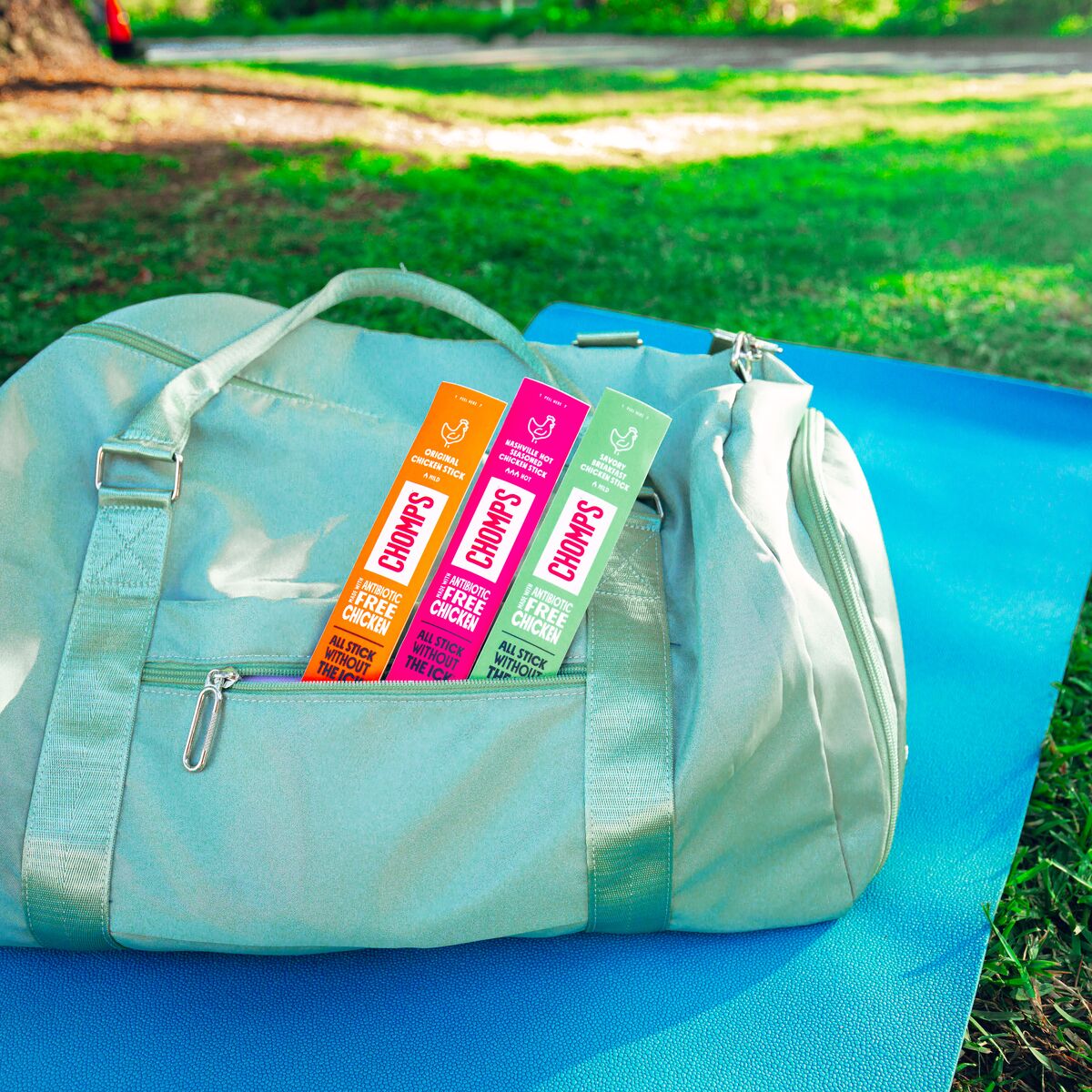
Being a professional dancer has its highs – the costumes, the glamorous makeup, the lights, the applause. But with every high, comes the potential to experience lows like mental fatigue, physical pain, and low energy. Dance rehearsals can involve hours of performing repetitive and athletic choreography, throwing my body into someone else’s arms in hopes that they catch me, and memorizing complex movement patterns moments after learning them. In short, dancing is really, really hard. That’s why it’s so crucial for me to make the right food choices and eat healthy snacks. The foods I eat have nothing to do with appearance and everything to do with performance. I reach for foods with quality ingredients that will keep my body energized, my mind sharp, and help rebuild my muscles so I can come back stronger than the day before. Below are my go-to foods to fuel me through every step, twirl, and leap. Chomps Original Turkey Sticks As a dancer, I am constantly moving. That’s why I always include plenty of room for healthy snacks that are super energy dense and satiating like these Chomps Turkey Sticks. These are packed with delicious flavor and plenty of protein to keep me full, maintain muscle, and properly recover my body. Plus, they’re small enough to keep stocked in my dance bag 24/7. Homemade Trail Mix I love to mix things up and get creative -- whether that’s the style of dance I’m doing or the snacks I’m consuming. There’s really no better way to keep my palate surprised and stomach happy than with a homemade nut mix. I personally love to combine roasted cashews, almonds, chopped dates and pumpkin seeds, but you can have fun with it and mix any combination your heart desires. Big Green Smoothie To compensate for the energy and the micronutrients I expend during a dance session, I start my day off with a big green smoothie. For the base, I like to use spinach and frozen banana. Then I’ll add plenty of coconut water to keep me hydrated, protein powder, and some kind healthy fat like avocado, nut butter, or seeds. This is the most delicious way to sneak in some veggies and keep me focused until snack time. PB&J Overnight Oats Carbohydrates like oats are a dancer’s best friend because they offer quick and lasting energy. To make my pb&j overnight oats, I combine rolled oats, almond milk, mashed banana, vanilla protein powder, and chia seeds to a mason jar. I’ll give that mixture a good shake and store it in the fridge overnight. In the morning I’ll top it with a healthy scoop of peanut butter and fresh berries, throw it in my bag, and head out the door. Original Beef Chomplings These original mini meat sticks provide the perfect bite of flavor and energy without making me too full. They come in handy when I have a more demanding rehearsal schedule and a little less time to fully indulge. They also come in a variety of flavors so I never get bored. Whether you're preparing for your next performance, or maintaining energy levels at practice, Chomps has the perfect snacks to satisfy your appetite while on a dancer's diet. Filled with all-things-good-for-you, Chomps' products come in various meat stick flavors, varieties, and sizes to suit your taste. Make your next move the best yet! READ MORE
Our Blog
Diet Plan for Runners
Proper nutrition for runners can help boost performance by ensuring adequate nutrients to optimize energy. Because running is a high-impact aerobic exercise, runners expend a higher amount of energy which requires a diet with an adequate amount of calories and the right mix of both macronutrients (carbohydrates, protein, and fat) and micronutrients (vitamins and minerals). Including healthy, nutrient-dense snacks throughout the day can be a helpful way for runners to get enough calories to support maximum performance. Prioritizing snacks in their whole food forms is a helpful way to ensure a well-balanced diet. These options include high-quality meats, vegetables, fruits, nuts and seeds, and whole-grains. Reducing foods with added sugars in the diet overall can help prioritize nutrient-rich options that help provide longer lasting energy. Here’s a list of healthy foods for runners based on dietary preferences: Paleo Food Options for Runners Vegetables - any vegetables such as broccoli, brussel sprouts, carrots, cucumbers, turnips, carrots, sweet potatoes, potatoes, any leafy greens, beets Fruits - berries, apples, pears, cherries Lean meats and proteins - poultry, beef, seafood, eggs Snacks made from whole foods such as plantain chips, dried fruits without added sugars, or Chomps meat sticks Cassava based foods and snacks Nuts and Seeds - almonds, cashews, pumpkin seeds, sunflower seeds, pistachios, walnuts Whole-30 Approved Food Options for Runners Vegetables - all vegetables Fruits - all fruits Lean meats and proteins - poultry, beef, seafood, eggs Snacks made from whole foods such as plantain chips, dried fruits without added sugars, or Chomps meat sticks Nuts and Seeds - almonds, cashews, pumpkin seeds, sunflower seeds, pistachios, walnuts Keto Food Options for Runners Fish - salmon, tuna Lean Meats - poultry such as turkey or chicken, beef Seafood - crab, shrimp, lobster Lower-carbohydrate fruits such as avocados and coconuts, berries in small servings Eggs Chomps Turkey or Beef sticks Leafy Greens Lower-carbohydrate vegetables such as mushrooms, artichokes, cabbage, cucumbers, onions, celery, zucchini Nuts and Seeds - pumpkin seeds, almonds, walnuts, pine nuts, chia seeds, hemp seeds, flaxseeds Coconut, avocado, olive oils Weight Watcher’s Food Options for Runners Vegetables - all Fruits - all Dairy - nonfat plain yogurt, low-fat cheese Beans and Legumes Whole-grains such as rice, oats, quinoa Proteins such as fish, poultry, lean beef, seafood Under 100 calorie snacks such as popcorn, Chomps meat sticks Here are a few sample meal ideas for runners as a part of a generally healthy and nutrient-dense diet that prioritizes protein and fiber-rich foods. However, remember that individualized metrics such as age, height, weight, and personal factors will change the total amount of daily energy needed. Breakfast Options: Sweet potato hash with scrambled eggs and spinach Oatmeal with peanut or almond butter and fresh or frozen berries, side of scrambled or hard-boiled eggs Lunch Options: Roasted chicken wrap on whole-wheat or grain-free tortilla with lettuce, tomato - side of Chomps Salt and Pepper Venison and an apple Chopped salad with arugula, chickpeas, tomatoes, cucumbers, olive oil + vinegar, bacon, and Chomps Spicy Jalapeno Beef stick or Nashville Hot Chicken stick. Snack Options Dried mango + Chomps Original Turkey Crackers, hummus, Chomps Sea Salt Beef Handful of almonds + fresh apple Pizza “toast” with 1 slice whole-grain or gluten-free bread with marinara, cheese, and Chomps Italian Beef. Fresh pear + Chomps Smoky BBQ Beef Dinner Options Roasted salmon with wild rice and side salad Chickpea pasta with pesto, grilled chicken, green beans Learn what to eat before a run and which are the best foods for post-run recovery to fuel your body. Focusing on whole, minimally processed foods will provide a variety of nutrients in a runner’s diet. In addition, combining quality protein sources with fiber-rich foods will provide runners with longer lasting energy. For more healthy, high-protein, and portable whole food snack options, visit the Chomps store for a variety of flavors and options that fit your specific needs. READ MORE
Our Blog
Cycling Diet for Weight Loss
Cycling is a great way to improve cardiovascular health, mental health, and muscular endurance. It’s easier on the joints compared to running so it’s a good option for a variety of people at all ages at different fitness levels. The CDC currently recommends that adults get at least 150 minutes of moderate-intensity aerobic exercise per week and a regular cycling routine can help meet this guideline. In addition, consistent cycling over time can potentially help reduce the risk for hypertension. Studies have also shown that regular exercise may help reduce the risk for anxiety or depression. Along with improving heart health, it can also be used as a part of a lifestyle strategy to maintain a healthy weight. Since cycling is considered an aerobic exercise, it requires more oxygen and energy from the body and can provide a higher amount of calories burned per session. While the total amount of calories burned will vary depending on gender, height, weight, speed, and individual metabolism, cyclists can generally expect to burn around 150 calories for every 30 minutes of cycling at less than 10 miles per hour. Again, the intensity of the workout will depend on how much total effort you individually put into it along with personal factors such as height and weight. If your goal is to use cycling as a tool to support weight loss, you’ll want to make sure to include nutrition choices that can help you both recover and meet your nutrition goals. Ultimately, losing weight comes down to the balance between energy intake and energy output. Therefore, it’s not always necessary to cut out specific food groups. Rather, it’s about being smart about portions and knowing when to consume what foods specific to your goals. The best cycling snacks for weight loss will include food options and sources that combine a mix of protein, high-fiber carbohydrates, and healthy fats. Here’s a list of portable and convenient snacks perfect for cyclists with weight loss as a goal: 1. Chomps Original Turkey Stick Chomps original turkey stick provides 10-12 grams of protein per 1.15 oz stick, which helps with overall satiety and feeling fuller for longer. Plus, there’s no sources of added sugars, which can be a sneaky source of excess calories that may contribute to weight gain. Adding protein to snacks and meals stabilizes appetite and helps reduce overeating. Because protein takes longer to digest, it helps keep us full in-between meals and increases overall satiety. 2. Dried Fruit Dried fruit such as dried apples, dates, or mangoes contain micronutrients and carbohydrates that can provide quick sources of energy before and during a ride. In comparison to other food groups besides vegetables, fruit overall is lower in calories but contains more nutrients per serving and can be a very healthy addition to a cyclist’s diet. Look for options on the ingredient label that includes the whole fruit without any additional added sugars. Pair with a source of protein, like Chomps meat sticks for long lasting energy. 3. Fresh Fruit Portable fruits such as apples and bananas are also healthy, lower calorie options for cyclists. Not only do they provide prebiotic fiber that help support gut health, they also contain quick sources of carbohydrates to help the body fuel up for rides. In addition, bananas naturally contain electrolytes such as potassium and magnesium to help assist with hydration. Again, pairing fruit with a protein source such as Chomps meat sticks can help increase overall satiety. 4. Hard-Boiled Eggs Eggs are low in calories but packed with protein and essential nutrients like Vitamins D, E, and K which all work together to support a healthy metabolism. 5. Sweet Potatoes Sweet potatoes are a fantastic source of energy for cyclists because they provide beta-carotene to support recovery and essential minerals such as potassium, magnesium, and vitamin A. Plus, there are only around 100 calories per one serving of a medium sweet potato and contains 4 grams of fiber per serving to support gut health. 6. Chomps Original Beef Sticks Original Beef Sticks are exactly 100 calories and provide 10 grams of high-quality protein to the diet. Including this source of lean beef into the diet can support not only weight loss goals, but also provides sources of iron and Vitamin B12 that are important to maintain overall energy. When it comes to choosing snacks and food options for weight loss, high protein options can help cyclists refuel and stay satiated. Increasing the intensity of the ride by adding resistance - whether if it’s indoor on a stationary bike or outdoors with an elevated terrain can create a more challenging session to increase the overall calorie output. Combining a higher calorie expenditure with a diet that prioritizes protein and fiber-rich carbohydrates can help support those with weight loss goals. For more easy, high protein, and convenient snacks that support cyclists in their weight loss and nutrition goals, head over to check out a variety of Chomps flavor options - all 100 calories and under per serving. READ MORE
Our Blog
Athlete Meal Plan + Diet Tips
Looking for nutrition tips to fuel peak athletic performance? Chomps has diet tips for athletes and a healthy meal plan to help you perform at your best. READ MORE
Our Blog
High Fiber Foods for Any Diet
Trying to add more foods with higher fiber in your diet? We compiled a high-fiber food list for your next grocery run. READ MORE
Our Blog
What Are Macros? + How to Count and Track Them
Macronutrients, or macros for short, are a staple in workout and nutrition conversations. We’re exposed to them everyday on labels: this many carbs, that much protein, these types of fats — but what does it all mean? Why should you care? Nutrition is infamous for being confusing. The science is changing rapidly, and the best answer for how much and of what you should eat, more often than not, is “it depends”. We’re going to cover what macros are, why they’re important, how to figure out your ideal macro ratios, and cover a few best practices for counting them. What are macros? Macros, or macronutrients, are essential nutrients that supply us with energy in the form of calories. The three main macronutrients are carbohydrates, fats, and protein, and although it’s not described as a macronutrient because it is technically a carbohydrate, we argue that you should treat fiber as an honorary fourth. In the overview below, we’ll discuss tracking within the context of the core three macronutrients, but remember that fiber is critical, too. Only 5% of adults get their recommended fiber, and it is essential for optimal health[*]. From effective nutrient absorption, to maintaining blood sugar levels, to maintaining a healthy gut microbiome, fiber is often overlooked in modern diets that avoid or reduce carbs[*]. Our bodies need macronutrients in large amounts, which is why we dub them “macro” nutrients. These are different from micronutrients, which are vitamins and minerals that our bodies use in small amounts to perform different processes like build strong bones and help the immune system function. While we all need macronutrients to survive, the amount we need changes depending on our individual bodies and wellness goals. For example, a marathon runner will need more carbohydrates than an office worker who doesn’t get out much. Macronutrients do have recommended ranges, however, and the The Food and Nutrition Board recommends breaking up your macros as follows[*]: Protein: 10 to 35 percent Carbohydrates: 45 to 65 percent Fat: 20 to 35 percent Fiber: 25-30 grams Macronutrients also have standard amounts of calories. One gram of protein has 4 calories, one gram of carbohydrates has 4 calories, and one gram of fat has 9 calories[*]. Calories vs. Macros While they are often talked about at the same time, calories are not the same thing as macronutrients. Calories are units of energy, and we need to source calories from food because our bodies need energy to perform the processes it needs to function[*]. Otherwise, you risk shutting down, which is a nice way of saying you’d starve. The confusion between macros and calories occurs because the amounts of macronutrients we need depend on our daily caloric needs. For example, if we need 2,000 calories a day and our nutritionist recommends that we eat 50% of that in carbohydrates, then we would need 1,000 calories of carbs, which at 4 calories per gram = 250 grams of carbohydrates per day. If that was a little bit confusing, don’t worry — we walk through calculating your macronutrient needs in more detail later on. And remember, when it comes to weight loss, all that matters is calories in, calories out. If you eat fewer calories than you need each day, then you’ll lose weight. If you surpass how many you need, you’ll gain weight — regardless of what you eat. It’s that simple! Macronutrient #1 - Proteins Proteins are nutrients made up of building blocks called amino acids, and there are over 10,000 proteins that make up what you are and help you in different ways[*]. Nine of the twenty or so amino acids (histidine, isoleucine, leucine, lysine, methionine, phenylalanine, threonine, tryptophan, and valine) are known as essential amino acids because they come from food[*]. Proteins build and repair tissue structure, regulate metabolism, help regulate the pH of our bodies, and more. They are also critical to building muscle and can help you feel full. Recommended Intake: 10-35% of your daily caloric intake Healthy sources of protein: Chicken Fish Beef Beans Lentils Organic or fermented soy Eggs Yogurt Milk and other dairy Macronutrient #2 - Carbohydrates Carbohydrates, or carbs, are simply sugar molecules. Your body breaks down these molecules into glucose, which is the main source of energy for your tissues, cells, and organs [*]. Carbohydrates help fuel the body during exercise, preserve muscle mass by taking the workload off of protein, and act as energy for our brain. Nutritionists typically recommend eating 45-65% of your daily caloric intake in carbohydrates, although diets like keto or carnivore opt for a low or zero-carb intake[*]. There are three main types of carbohydrates: sugars, starches, and fiber[*]. Sugars are known as simple carbohydrates because they are the most basic form of carbohydrates. Starches and fibers are known as complex carbohydrates because starches are collections of sugars strung together and fiber cannot be broken down into simple sugars by the body. Recommended Intake: 45-65% of your daily caloric intake. Healthy sources of carbohydrates include: Whole Grains Fresh fruits Starchy roots and potatoes Rice Beans Macronutrient #3 - Fats Fats, or lipids or fatty acids, are nutrients made up of three molecules strung together. Most of the fat our bodies need we can make ourselves, but there are “essential fats” such as Omega-3 and Omega-6 fats that we have to get from food[*]. If you remember the fish oil craze, essential fats were behind it. Fats act as energy reserves, provide insulation, protect organs from damage, and help transport vitamins, and there are three main types of fats we eat[*]: Unsaturated fats from plants Saturated fats from animals Trans fats from processed foods Unsaturated fats are considered the most healthy, saturated fats are fine in moderation, and trans fats are considered the worst for you. Recommended Intake: 20-35% of your daily caloric intake Healthy sources of fats include: Oil Butter Grass-fed beef Avocados Coconuts Fish Eggs Nuts and seeds Honorary Macronutrient #4 - Fiber Fibers are a type of carbohydrate cannot digest, which means it passes through the system undigested [*]. Fiber is a sort of supernutrient since it’s found in so many different foods. Diets high in fiber have been linked to better gastrointestinal health, reduced risk of stroke, lower chances of type 2 diabetes, and even less risk of some cancers[*]. There are two types of fiber: soluble fiber, which means they dissolve in water, and insoluble fiber, which means they don’t. Soluble fiber can lower glucose levels and blood cholesterol. Insoluble fiber helps move food through the digestive system, promoting regularity and efficient bowel movements[*]. It’s easy to hit your macros while neglecting fiber, so if you are hitting your macros and workouts but aren’t seeing the body recomposition you want, take a closer look at your fiber intake. Recommended Intake: 20-30 grams per day Healthy sources of fats include: Beans and other legumes like lentils Broccoli Seeds Berries Whole wheat grains and pasta Fruits and potatoes with the skin. How to Figure Out Your Ideal Intake The ideal macronutrient ratio for you depends on how many calories you need each day and your weight loss and/or fitness goals. If you are just looking to eat a balanced diet and aren’t concerned with developing a more strict or nuanced plan, then simply eating within the macronutrient ranges we listed above across a balanced diet is more than enough. But, if you are interested in IIFYM or flexible dieting, or simply want to dig a bit deeper into your nutrition, then follow these steps: Step 1: Calculate your TDEE Your TDEE is a combination of your basal metabolic rate (BMR) and your activity level, which is just a fancy name for figuring out how many calories your body needs each day to maintain your weight. The formula for BMR uses your weight, height, age, and other factors like gender to calculate how much your body burns without activity, and then you take that result and multiply it by these levels: If you rarely exercise, multiply your BMR by 1.2 If you exercise on 1 to 3 days per week, multiply your BMR by 1.375 If you exercise on 3 to 5 days per week, multiply your BMR by 1.55 If you exercise 6 to 7 days per week, multiply your BMR by 1.725 If you exercise every day and have a physical job or if you often exercise twice a day, multiply your BMR by 1.9 Here is an easy BMR and TDEE calculator. Step 2: Determine your fitness goals Once you have TDEE, you need to figure out what your fitness goal is. If your goal is just to lose weight, then you can eat around 300-500 calories less than your TDEE each day, eat the recommended macronutrient amounts, and you’ll be fine! If you are trying to gain muscle and are going to the gym, then you’ll want to exceed your TDEE and adjust your macronutrient breakdown to something close to this[*]: Protein: 0.8–1 grams per pound bodyweight per day (20% or so of calories) Carbs: 3+ grams per pound bodyweight per day (50–60% of your calories) Fat: the remaining 20–30% of your calories. So if your TDEE was 2,500, maybe you eat 3,000 calories with this split, which would be around 150 grams of protein, 450 grams of carbs, and 65g of fat. And ideally, 25-30 grams of your carbs intake would be in fibers. If you are trying to maintain muscle while losing weight, then your splits will be the same percents as above but eating at a TDEE deficit, say 2,000 in our same example. Remember: everyone’s needs are different. Ultimately, the best course is to get a rough idea of what you think you need, start tracking, and then adjust accordingly to your own results. Only you can know if your diet works for you, and remember to eat as balanced a diet as possible when tracking your macros and work with a professional when you can. Step 3: Start tracking! When you establish your baselines, it’s best to track what you’re eating for a few days to make sure you are being true to your splits. Good tools for this include: MyFitnessPal Nutrients MyNetDiary Why People Count Macros From weight loss to weight gain, to simply evaluating their meals for context, counting macros is popular for many reasons. The most famous example is If It Fits Your Macros, or IIFYM. IIFYM, also known as flexible dieting, is less of a diet and more of an approach to life. The idea is that after you match your macros to your fitness goals, as long as you hit them, you don’t have to look at any foods as “good” or “bad”. Advocates of this lifestyle stress the psychological benefits of erasing stigmas from specific foods and prioritizing a healthy diet with guilt-free treats that work together to better your physical and mental health. Benefits of Counting Macros May help maintain muscle mass Because counting your macros puts a greater emphasis on understanding your protein content, it’s likely that as a result of counting your macros alongside a fitness plan that you will maintain, if not increase your muscle mass through more appropriate or increased protein consumption. May improve long-term diet habits Because macros focus on what is inside foods instead of eliminating categories of foods, it allows more room for you to enjoy your food and life. Research shows that balanced, less-intense approaches to dieting tend to have more of an impact on long-term health than short-term, highly-restrictive diets. May help you evaluate the health of foods Because you will be tracking and thinking about the nutrient breakdowns in food more often than you otherwise would, counting macros can improve the health of the choices you make on a daily basis. Downsides of Counting Macros Has a bit of a learning curve As you can tell, it does take a bit of upfront work to establish your baseline. You have to calculate your TDEE, match that to your activity level, and then adjust it according to what you want to accomplish from a dietary perspective. It’s not hard, per se, but it’s not as simple as just cutting out carbs, for example. Can lead to unhealthy tracking obsession Just like calorie counting, there’s a risk to obsessing over macronutrient counts in a way that is psychologically damaging. If you notice yourself becoming obsessive about the macronutrient balances and meticulously tracking everything at the expense of your happiness, consider stepping away from this approach for a bit. Can cause people to ignore more established dietary advice There’s a darker side to IIFYM, which expresses itself in ways like “dirty bulking”. The idea is that because you only have to worry about your macronutrient counts, you can eat whatever you want as long as it fits your macros. That could be fast food, other processed foods, candy — you name it. While this is true from a caloric and macro perspective, it is not a healthy way to live, and evidence for eating a balanced diet dwarfs any other approach. The Bottom Line The three main macronutrients are protein, carbohydrates, and fats, and they are nutrients we need to eat in large amounts to help our bodies function optimally. Fiber is also important for general health, and we recommend tracking fiber as an honorary macronutrient. The ideal balance between these macronutrients depends on your weight, gender, TDEE, and fitness goals. Once you establish your ideal range, tracking macronutrients can be a useful way to shape your diet to get the nutrients and calories you need to maintain, gain, or lose weight and/or muscle mass. READ MORE
Our Blog
18 Healthy Weight Watchers Casserole Recipes
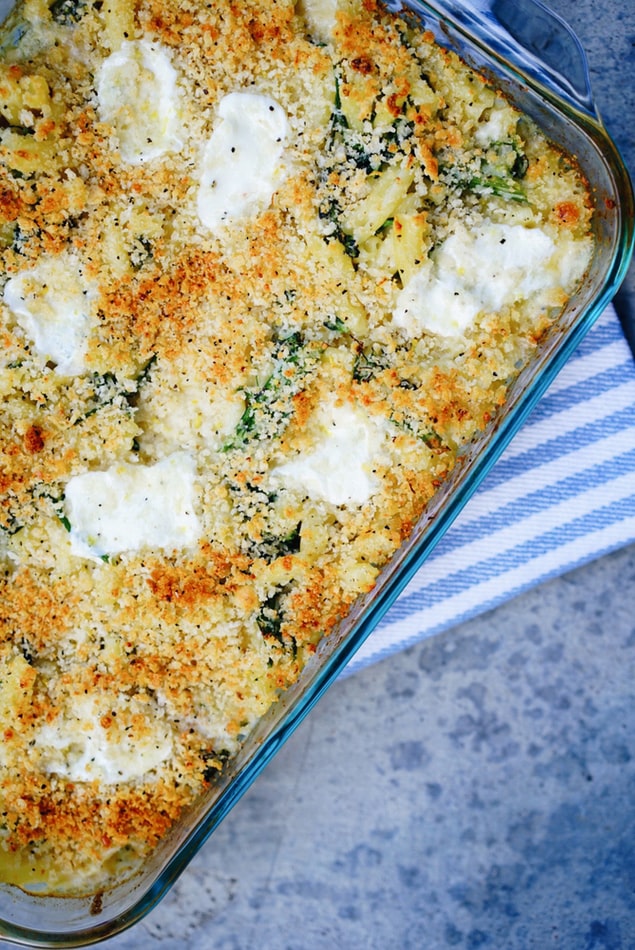
Weight Watchers casseroles are a great way to enjoy family dinners without the guilt of most traditional comfort food dishes. They are low-calorie and healthy, but still delicious. Weight Watchers is an easy-to-follow program that is all about eating healthy food and getting the right amount of activity to systematically reach your weight loss goals. It has been around for over 50 years, and, unsurprisingly, thousands of people have benefited from the program when considering the supportive community of followers. Weight Watchers’ SmartPoints system is a trademarked point value that corresponds to foods’ specific nutritional profile. WW casserole recipes are often high in carbohydrates and low in fat, making them perfect for following the program’s guidelines. Each of the recipes included here detail the exact SmartPoints each serving contains, along with the points value for WW’s Green, Blue, and Purple programs. Some casseroles have as low as 0 SmartPoints per serving, ranging up to 11 SmartPoints per serving. We’d suggest choosing the recipe you want to make based on what ingredients you have on hand, what you’re craving, and the number of SmartPoints per serving that fit best into your day. From casserole recipes ranging from pasta to chicken fajita, a recipe is included here for any casserole that you may be craving. Many of these dishes can be cooked and served in minimal time (think 1 hour or less!), which makes them fantastic options for busy weeknights when you need to get something flavorful yet compliant with a WW diet on the table. Everyone will love how delicious and comforting these casserole dishes are! 1. Sloppy Joe Casserole This Sloppy Joe Casserole is comfort food at its finest! The traditional sloppy Joe recipe that you know and love is first baked and then topped with garlic biscuits, but you could also serve with cornbread or even mashed potatoes if that's what you have on hand! The dish takes very little time to prepare, and we're sure it will be a family favorite. The recipe yields 9 total servings at 7 Freestyle SmartPoints each. If you want to lessen the points, you can swap the ground beef for ground chicken or ground turkey.Per serving: 7 Freestyle SmartPoints (7 Green, 7 Blue, 7 Purple)Get the recipe from Drizzle Me Skinny. 2. Weight Watchers King Ranch Chicken Casserole This Weight Watchers King Ranch Chicken is a casserole dish that includes a creamy sauce made of cream of mushroom soup and spices and has a dose of protein from the added chicken breast. It’s topped with tortillas cut into quarters and shredded reduced-fat cheese. This delicious Tex-Mex-type of casserole dish is popular in Texas and is always a favorite when served at work parties and family gatherings.Per serving: 4 Freestyle SmartPoints (5 Green, 4 Blue, 4 Purple)Get the recipe from Life Is Sweeter By Design. 3. Low Point Breakfast Casserole This breakfast casserole is low in Freestyle SmartPoints (5 per serving) and is perfect when served for weekend family breakfasts or brunch with friends. It would be fantastic to serve as an appetizer too! You can serve it alongside slices of toasted whole wheat bread and some fresh fruit, both of which contain low or zero points.Per serving: 5 Freestyle SmartPoints (7 Green, 5 Blue, 5 Purple)Get the recipe from The Pound Dropper. 4. Weight Watchers Quick Creamy Noodle Casserole A quick and kid-friendly casserole recipe is never a bad thing to have in your back pocket! This Weight Watchers noodle casserole is simple to make and ready to serve in less than 30 minutes. A quick tip? Add some frozen broccoli for a boost of nutrient density without increasing the points value per serving. We especially love this dish because it stores well. After being cooked, you can keep it in the freezer to eat later. Meal prep for the win!Per serving: 11 Freestyle SmartPoints (11 Green, 11 Blue, 6 Purple)Get the recipe from Dee Dee Does. 5. Weight Watchers Green Chile Chicken Enchilada Casserole This Green Chile Chicken Enchilada Casserole recipe is low in fat and high in flavor, especially when you consider the mouth-watering caramelized onions that are included! It’s no surprise that it’s one of our favorite low calorie casseroles Weight Watchers! This Green Chile Chicken Enchilada Casserole recipe is low in fat and high in flavor, especially when you consider the mouth-watering caramelized onions that are included! It’s no surprise that it’s one of our favorite low calorie casseroles Weight Watchers! With step-by-step photos and tips on exactly how to make this recipe successful every time, we are confident even the most novice can make this dish. It's a satisfying and comforting meal and can easily be adapted for your family's needs and dietary restrictions.Per serving: 5 Freestyle SmartPoints (5 Green, 5 Blue, 5 Purple)Get the recipe from You Brew My Tea. 6. 6-Ingredient Nacho Casserole With minimal ingredients required, this is one of those Weight Watchers casserole recipes perfect for the end of a busy week. The recipe yields 6 servings and, if you have a bigger family or want leftovers to eat tomorrow, double all of the required ingredients, but be sure to bake each casserole pan separately. The cook time only amounts to 25 minutes and prep time is kept to a minimum.Per serving: 4 Freestyle SmartPoints (5 Green, 4 Blue, 4Purple)Get the recipe from Hungry Girl. 7. Cheeseburger Casserole This Cheeseburger Casserole is a Weight Watchers-friendly recipe that only has 260 calories per serving. It will satisfy your taste buds, and anyone who tries it will be so impressed that it fits within your daily allotted SmartPoints! Lean ground beef is included to keep it healthy and low in calories but still flavorful, and the pasta will fill you up and keep you full for hours to come!Per serving: 6 Freestyle SmartPoints (5 Green, 6 Blue, 6 Purple)Get the recipe from SkinnyTaste. 8. Creamy Chicken Casserole Thankfully, healthy chicken casserole recipes Weight Watchers can be straightforward and delicious! It requires only one pan, is very simple to make, and will be ready to serve in a little more than an hour. Skinless and boneless chicken breasts are used, and the creamy sauce includes skim milk and chicken stock, which is then thickened with a roux of olive oil and flour and then half-fat crème fraîche.Per serving: 6 Freestyle SmartPoints (7 Green, 6 Blue, 6 Purple)Get the recipe from Pointed Kitchen. 9. Healthy Taco Casserole This healthy Weight Watchers Taco Casserole is a low-calorie and filling meal your whole family will love. You can cook it with only one skillet, which means fewer dishes to wash later (who doesn’t love that?!). It includes vegetables like corn, chiles, tomato paste, not to mention a dose of protein from the ground turkey and pinto beans, too! Add some salsa, cheddar cheese, and fresh cilantro before serving to yield an extra satisfying flavor in each bite. It's so easy you'll be making it all year long to serve for a variety of occasions!Per serving: 3 Freestyle SmartPoints (8 Green, 3 Blue, 3 Purple)Get the recipe from Slender Kitchen. 10. Gooey & Cheesy Broccoli Cauliflower Casserole This Broccoli Cauliflower Casserole is everything you could want in a Weight Watchers diet main dish! It's rich with flavor stemming from the homemade cheese sauce that is so good you won't believe it only has 4 SmartPoints per serving! Whip the recipe up in only 45 minutes and serve. This is bound to be a new family favorite!Per serving: 4 Freestyle Smart Points (4 Green, 4 Blue, 4 Purple)Get the recipe from Dee Dee Does. 11. Weight Watchers Baked Turkey and Pasta Casserole This Turkey Pasta Casserole is the ultimate comfort food dish that is surprisingly low in points and is a fantastic way to use up any leftover turkey you may have on hand from last night’s dinner. The basic ingredients required for this casserole are lean ground turkey, whole wheat pasta, onions, mushrooms, and roasted red peppers. After being baked, a multitude of flavors come together to result in a delicious dish that will fit nicely into your Weight Watchers diet lifestyle.Per serving: 4 Freestyle SmartPoints (4 Green, 4 Blue, 1 Purple)Get the recipe from Life Is Sweeter By Design. 12. Slow Cooker Chicken Taco & Potato Casserole A casserole made in a slow cooker? We love it! This Weight Watchers chicken casserole is loaded with hearty mini white potatoes and requires only 15 minutes of preparation time. Consider adding some 0-point vegetables to increase the flavor profile and the nutrient density. The recipe yields 8 servings and, if you cook it on high, plan for it to be ready to enjoy in around 4 to 5 hours. Want to cook it low and slow? Plan for about 7-8 hours of cook time.Per serving: 4 Freestyle SmartPoints (5 Green, 4 Blue, 2 Purple)Get the recipe from Drizzle Me Skinny. 13. Copycat KFC Chicken Bowl Casserole Made with ingredients like creamy mashed potatoes, frozen corn, crispy popcorn chicken, anyone who eats this Copycat KFC Casserole will be shocked that it's a Weight Watchers-friendly recipe! The dish is topped with reduced-fat shredded cheddar cheese and store-bought brown gravy, yielding a comfort food meal that you'll want to re-make week after week.Per serving: 7 Freestyle SmartPoints (9 Green, 7 Blue, 7 Purple)Get the recipe from The Pound Dropper. 14. Chicken Fajita Casserole If you love fajitas, you need to try this casserole recipe! With only a little more than 300 calories per serving and packed with protein and vegetables like zucchini, mushrooms, and bell peppers, this is a dish that you can feel good about eating. You'll season and cook the chicken before cooking the vegetables, then layer all of the ingredients in a casserole dish before baking for about 25 to 30 minutes.Per serving: 5 Freestyle Smartpoints (6 Green, 5 Blue, 5 Purple)Get the recipe from Hungry Girl. 15. Chicken Sausage and Peppers Macaroni Casserole This baked pasta casserole is a fan-favorite because of the simple preparation process. No need to pre-cook the pasta! You can include it dry, and it'll cook and soften up by being baked in the marinara sauce. This is a great dish when you want to avoid having to dirty multiple dishes. We especially love that it can be frozen for handy, healthy meals later on!Per serving: 8 Freestyle SmartPoints (8 Green, 8 Blue, 9 Purple)Get the recipe from SkinnyTaste. 16. Cheesy Vegetable Enchilada Casserole Enchiladas are always an excellent choice for family dinner! This particular recipe will easily feed a crowd and is perfect for a potluck. It’s Weight Watchers-friendly and each serving is only 5 SmartPoints! Each bite packs a burst of flavor with the baked layers of vegetables, tortillas, cheese, and, of course, enchilada sauce! If you have some vegetables sitting in your refrigerator and are unsure what to do with them, this is the recipe for you!Per serving: 5 Freestyle SmartPoints (5 Green, 5 Blue, 5 Purple) 17. Chipotle Chicken Casserole This chicken casserole is seasoned with cajun seasoning and chipotle paste and is topped with a dollop of fat-free Greek yogurt. It is a great 1-hour Weight Watchers freezer meal recipe as it can easily be frozen and reheated to eat later. It's layered with beans, which are filling, contain protein, and are full of fiber. Plus, you'll use tomatoes and sweetcorn, which means more nutrients included in your daily menu!Per serving: 0 Freestyle Smart Points (8 Green, 0 Blue, 0 Purple)Get the recipe from Pointed Kitchen. 18. Italian Spaghetti Squash Casserole Low-carb, filling, and healthy, this Italian Spaghetti Squash Casserole is a dish the whole family will enjoy. It will make enough to serve 4 people and, in total, you'll need to plan for 1 hour from the time you start to the time you can serve the baked dish. The recipe includes flavorful ingredients such as lean ground beef, a homemade Bolognese sauce, spaghetti squash, spinach, and fresh mozzarella. Everything together makes for a dish that is sure to please even the pickiest of eaters! Per serving: 6 Freestyle SmartPoints (6 Green, 6 Blue, 6 Purple)Get the recipe from SlenderKitchen. Final thoughts Weight Watchers casseroles can be a great way to enjoy comfort food flavors without all of the calories. You can enjoy indulging in your favorite dishes because these recipes are healthy, low-calorie, and satisfying. They're the ultimate choices for family dinners! These easy, hearty meals don’t take long at all to prepare, and they only require minimal time so you can spend more time with your loved ones rather than spending an excessive amount of time in the kitchen after a long day. Looking for a healthy snack between meals? Be sure to explore Chomps’ array of healthy meat snacks to sustain your diet, while never compromising on taste. READ MORE
Our Blog
15 AIP Chicken Recipes for Busy Weeknights
If you're following the autoimmune protocol, these easy chicken recipes are great to have on hand for busy weeknight meals. From one-pot entrées to quick salads and pasta, there's something that everyone will enjoy! Chicken on its own can sometimes be relatively boring, so it's important we spice it up (literally) to keep meals interesting and exciting, with nightshade-free spices, of course! Following AIP can feel complicated, and like some of your favorite foods are off-limits, but that doesn't mean that meals need to be bland or flavorless! Plus, with these recipes at your fingertips, you will nourish your body yet won’t have time to spend hours cooking in the kitchen. You'll find recipes ranging from chicken tenders and salads to pasta and casseroles! Plus, there are even recipes included if you're eating a low-carb, keto, or GAPS diet. These 15 easy recipes are fantastic to have in your back pocket. If you follow AIP and love to incorporate chicken into your cooking, these dishes are sure to be a hit! 1. Chicken Fiesta Bowls Perfectly seasoned chicken thighs served in a bowl and topped with a Cilantro Lime Yogurt Sauce?! Yes, please! This high-protein dinner meal is flavorful, easy to make, and will keep you full and focused. The recipe stores well in the refrigerator after preparing, so if you are looking for an AIP meal prep dish, try this one! Top each serving with your favorite garnishes, like chopped romaine, fresh cilantro, avocado, or lime slices.Per serving: 385 calories, 14g fat, 11g carbs, 51g proteinGet the full recipe from Hurried Health Nut. 2. Cheesy Chicken Zoodles This pressure cooker chicken and zoodles recipe is a great way to get some veggies into your life with minimal effort. After all, it doesn't require much more than throwing everything in the pressure cooker and letting it do its thing! The cheesy flavor is created with a combination of nutritional yeast and beef gelatin. The resulting dish tastes surprisingly cheesy, and that flavor pairs perfectly with the zucchini noodles and chicken thighs. If you have a pressure cooker, this is one of the best autoimmune paleo chicken recipes that is wonderful for cooking in it.Per serving: 381 calories, 16g fat, 17g carbs, 45g proteinGet the full recipe from The Castaway Kitchen. 3. Crispy AIP Buffalo Chicken Tenders These Buffalo Chicken Tenders are perfect for a night in with the family or to serve at a party for your guests. The kids, especially, will love them! The tenders are Whole30 and are served with homemade Creamy Buffalo Sauce, which features hot sauce, mayonnaise, and coconut aminos. The dish can be made in about 30 minutes and tastes great after storing in the refrigerator to eat the following day as leftovers.Per serving: 400 calories, 24g fat, 10g carbs, 34g proteinGet the full recipe from Grass Fed Salsa. 4. AIP Chicken Alfredo If you're following the autoimmune protocol, this recipe for homemade chicken alfredo is a must-try! The sauce features a base of flavors, including garlic powder, nutritional yeast, and, instead of heavy cream, coconut cream is used. If you haven’t tried nutritional yeast before, this is the perfect recipe to incorporate this fun ingredient into! Instead of parmesan cheese, nutritional yeast is used and it provides a perfectly cheesy flavor to take this dish to the next level. There are only 10 grams of net carbs per serving, which also makes this an excellent option for those who follow a lower carbohydrate diet. Per serving: 508 calories, 36g fat, 13g carbs, 26g proteinGet the full recipe from Healing Autoimmune. 5. AIP Orange Chicken This orange chicken recipe uses chicken breast, is cooked on the stovetop in just one pan, and is made with an AIP-friendly set of ingredients. It’s a great way to prepare chicken breasts, and it only takes 30 minutes to make. The best part about it? You can't tell it's made with paleo-compliant ingredients. It tastes just like the orange chicken you'd order in a restaurant! And, if you don't like orange chicken, you can follow the blog post for instructions on how to substitute in a Lemon Honey Marmalade sauce. Per serving: 311 calories, 10g fat, 31g carbs, 24g protein 6. Chicken Stroganoff This stroganoff made with chicken is a great recipe to have on hand for busy weeknights. It features chicken breast, and the final dish is delicious and won't leave you feeling heavy like a cream-based stroganoff can sometimes do. The key ingredient to the sauce is the coconut aminos, which replaces soy sauce or tamari as an alternative to make this AIP friendly, but still yields a resulting stroganoff like you grew up eating.Made without dairy and entirely soy-free, this is a perfect warming dish for those times you're craving comfort food.Per serving: 302 calories, 10.1g fat, 9.3g carbs, 28.1g proteinGet the full recipe from Unbound Wellness. 7. Paleo Chicken Salad with Strawberry Dressing This paleo chicken salad includes a tart strawberry mustard dressing that pairs perfectly with the chicken breast and salad greens. The salad is light and refreshing but still filling and satisfying due to the protein that the chicken breast provides.The dressing being homemade is a crucial facet of the dish as most store-bought and commercially-made dressings include ingredients that are not compliant with an autoimmune diet.Per serving: 400 calories, 26g fat, 16g carbs, 29g proteinGet the full recipe from PALEO Flourish. 8. Easy AIP Chicken Stir Fry This stir fry is a classic dish that only has five ingredients, and it comes together in about 20 minutes! It’s a dairy-free chicken dish that uses chicken thighs that are cubed and cooked in a wok. If you don't have a wok, you can use a large pan. The chicken is cooked and served with vegetables like broccoli, carrots, and green onions, and the entire dish is brought together with stir fry sauce that includes only AIP-friendly ingredients.Per serving: 294 calories, 9g fat, 13g carbs, 37g proteinGet the full recipe from Hurried Health Nut. 9. Paleo Bacon Wrapped Chicken Breast This bacon-wrapped chicken breast is one of our favorite AIP chicken breast recipes! It’s made with ingredients like ripe pear and homemade pesto. This recipe has a solid balance of protein, fat, and carbohydrates and would be perfect for serving at dinner parties where you want to impress those you'll be cooking for.The variety of flavors comes together so perfectly that your guests will be so surprised that this recipe is dairy-free and paleo.Per serving: 378 calories, 32g fat, 15g carbs, 12g proteinGet the full recipe from The Castaway Kitchen. 10. Bacon Chicken Ranch Casserole The ingredients in this Bacon Chicken Ranch Casserole are easy to find and are all gluten-free, dairy-free, and Whole30 compliant. The spaghetti squash adds a delicious and familiar texture without any added grains or the carb content that traditional casseroles typically contain. You'll start with preparing the spaghetti squash, then cooking chicken breasts and bacon using your desired method (stovetop or oven would likely be best). Then, you'll move on to assembling everything in a casserole dish, baking, and then serving!A truly flavorful, nutrient-dense, and high-protein dish that will have everyone coming back for seconds! Per serving: 625 calories, 57g fat, 10g carbs, 19g proteinGet the full recipe from Grass Fed Salsa. 11. AIP One-Pan Maple Chicken This AIP One-Pan Maple Chicken recipe can be made with either chicken breast or chicken thighs. There are several options for substituting ingredients in or out, so if you don't have an ingredient on hand, you should still be able to make and enjoy this dish! Our favorite part is the option to double (or even triple!) the ingredients to make the homemade Maple Glaze for a perfectly sweetened and savory final dish.Per serving: 318 calories, 18g fat, 22g carbs, 17g proteinGet the full recipe from Healing Autoimmune. 12. Grilled Chicken and Cucumber Dill Salad This bright, flavorful, and protein-packed cucumber salad bursts with flavors from the fresh herbs to the zesty garlic chicken and has a cool, crunchy texture from the cucumbers. The various textures make this dish very satisfying to eat, and it would make for a great dish-to-pass option at an outdoor summer party. The AIP chicken rub used before grilling the chicken is the game-changing factor in bringing every facet of the salad together. It is made without nightshades and is safe for the autoimmune protocol. So long as you cook the chicken while preparing the other ingredients, you'll have this dish prepared and served in just 30 minutes!Per serving: 460 calories, 29g fat, 11g carbs, 38g protein 13. Paleo Mongolian Chicken The Mongolian Chicken dish is an easy-to-make and flavorful meal that is paleo and Whole30-friendly and can be adapted to other diets. The marinade for the chicken breast has the perfect blend of flavor: sweet and salty from the coconut sugar, coconut aminos, and fresh ginger.Serve alongside or atop cauliflower rice for a flavorful and satiating dish!Per serving: 363 calories, 18.1g fat, 12.1g carbs, 36.5g proteinGet the full recipe from Unbound Wellness. 14. Spicy Honey Lime Chicken Thighs This AIP chicken thighs recipe features the most mouthwatering sauce that is bursting with sweet, spicy, and citrus flavors. The spice mixture used in the sauce is made without nightshades or other ingredients that may be inflammatory and caramelizes perfectly on these easy-to-cook boneless and skinless chicken thighs.This entrée takes only 30 minutes to make and serve, and, in addition to being AIP, it's also GAPS diet-compliant, low-carb, and keto-friendly.Per serving: 382 calories, 30g fat, 2g carbs, 25g proteinGet the full recipe from Eat Beautiful. 15. Pulled Chicken Sandwiches These AIP pulled chicken sandwiches are made in a slow cooker and are a perfect complement to your favorite paleo side dish. The chicken is cooked "low and slow" to yield delectably tender meat that can easily be pulled apart with forks. The sauce combines honey, broth, vinegar, nomato sauce (a sauce that tastes like tomato sauce, without any added tomato ingredients), and seasonings to create the perfect tangy-sweet flavor. Serve the chicken in a lettuce wrap for an ideal AIP sandwich recipe!Per serving: 562 calories, 30g fat, 43g carbs, 39g proteinGet the full recipe from A Clean Plate. All in all, whether you’re just starting to experiment with an autoimmune protocol diet or are looking for a way to put new and tasty spins on old favorites, this post has got you covered. Our collection of AIP chicken recipes is varied enough that there should be something here for everyone. If you want to find out more about the benefits of following an autoimmune protocol diet, check out our blog article detailing the AIP diet with an included sample menu. Which recipe from the list do you plan to try first? READ MORE
Our Blog
5 Easy Nutrition Habits to Adopt for National Nutrition Month
March is National Nutrition Month which is a great time to add some healthy habits to your health and wellness routine. The good news is they don’t have to be stressful or complicated. Often the smallest steps we take towards a healthy lifestyle serve as building blocks to continue to build on to reach bigger health and nutrition goals. As a dietitian I strive to show people that healthy eating can be easy, approachable, affordable, exciting and delicious. I understand that sometimes it can feel very overwhelming to know what is right for you and how to even start making healthy choices with the ever changing trends and unrealistic standards often seen on social media and in the media. My goal through sharing nutrition information and fun recipes as a dietitian is to empower people to make the best possible choices for their own life. I don’t believe that there is a one size fits all approach to health and wellness. The things that help you to feel your best are unique to you, and that’s a good thing! This National Nutrition Month I’m proud to be a registered dietitian and am excited to go to work everyday knowing that I can make a positive impact on someone’s health. Here are a few simple ways you can add more nutrition to your diet. All of these suggestions are things you can start implementing right away and require very little effort overall! 1. Start small It can feel tempting to do a complete overhaul of your current routine when you want to make healthy choices. I say instead, start small. Think of one small thing you can add into your routine for the week and focus on that. Successfully incorporating that one thing in your routine will give you the confidence to keep building on that and ultimately reach your big goals. 2. Make a plan for the week If meal prepping isn’t your thing, start by simply making a plan for meals for the week. Write down what you plan to have and check your fridge and pantry for ingredients before grocery shopping. Not only does this help you save money, but it also prevents you from constantly wondering what’s for dinner or scrambling at the last minute when you’re already starving. At the very least having a rough plan will put you on the right path to mealtime success. 3. Think green If your goal is to eat more greens but you’re not exactly excited about it, this one's for you. When making a meal or having leftovers simple and a handful of greens. This works for almost any dish! Leftover pizza? Add greens on top or make a small side salad. Egg for breakfast? Stir in some spinach. It can be as easy as that to add more of the good nutrition greens offer to any of your meals! 4. Turn your snack into a power snack Snacking is not a bad thing. It’s more about the type of snack. Packaged snacks can be high in calories, sugar and salt, which does not serve your body as well as something that contains protein and fiber. Enter the power snack. A power snack is a combination of two foods that contain protein and fiber that will help to keep you fuller for longer. My favorite power snack combination is a Chomps meat stick with apples slices. It’s a sweet and spicy combination that keeps me full and can be eaten on the go! I’m such a fan of Chomps not only because they are a nutritious snack but also because of their dedication toward protecting the environment, animal welfare and quality grass-fed and finished venison and free-range, antibiotic-free turkey. You will find a sea salt beef or jalapeno turkey stick in all my bags because I love knowing that I have a nutritious snack I can count on anytime I’m on the go. 5. Cook at home Eating out is fun and definitely a nice break from cooking, but I say keep it to once or twice a week and cook the rest of your meals at home. Why? Restaurant and fast-food meals are typically large portions of food that aren’t always prepared in the healthiest ways and most often lacking in the vegetable department. Cooking at home gives you the opportunity to cook with more veggies, explore different cuisines and even remake some of your favorite take-out foods in a healthier way at home. Spaghetti squash pad thai anyone?! — You can check out more of Maggie’s healthy living tips and recipes on Instagram @onceuponapumpkin and www.onceuponapumpkinrd.com READ MORE
Our Blog
Are Beans Gluten-Free? What to Eat and Avoid
Beans and legumes, in their natural state, are gluten-free. However, here are some gluten-containing ingredients to watch out for. READ MORE
Our Blog
19 Easy Weight Watchers Ground Turkey Recipes
We rounded up 20 healthy ground turkey recipes perfect for your Weight Watchers plan. READ MOREEven More for you to Chew On
NEW FLAVOR

Rated 4.5 out of 5 stars based on 90 reviews
(90)
90 reviews
Original Chicken
Choose Pack
PURCHASE OPTIONS
NEW FLAVOR

Rated 4.5 out of 5 stars based on 81 reviews
(81)
81 reviews
Nashville Hot Chicken
Choose Pack
PURCHASE OPTIONS
NEW FLAVOR

Rated 4.3 out of 5 stars based on 101 reviews
(101)
101 reviews
Savory Breakfast Chicken
Choose Pack
PURCHASE OPTIONS
Best Seller

Rated 4.9 out of 5 stars based on 2762 reviews
(2762)
2762 reviews
Original Beef
Choose Pack
PURCHASE OPTIONS
Best Seller

Rated 4.8 out of 5 stars based on 1852 reviews
(1852)
1852 reviews
Original Turkey
Choose Pack
PURCHASE OPTIONS

Rated 4.8 out of 5 stars based on 687 reviews
(687)
687 reviews
Pepperoni Seasoned Turkey
Choose Pack
PURCHASE OPTIONS
Best Seller

Rated 4.9 out of 5 stars based on 1675 reviews
(1675)
1675 reviews
Jalapeño Beef
Choose Pack
PURCHASE OPTIONS

Rated 4.8 out of 5 stars based on 500 reviews
(500)
500 reviews
Smoky BBQ Beef
Choose Pack
PURCHASE OPTIONS

Rated 4.9 out of 5 stars based on 1335 reviews
(1335)
1335 reviews
Sea Salt Beef
Choose Pack
PURCHASE OPTIONS

Rated 4.9 out of 5 stars based on 1057 reviews
(1057)
1057 reviews
Italian Style Beef
Choose Pack
PURCHASE OPTIONS

Rated 4.9 out of 5 stars based on 1146 reviews
(1146)
1146 reviews
Salt & Pepper Venison
Choose Pack
PURCHASE OPTIONS

Rated 4.8 out of 5 stars based on 629 reviews
(629)
629 reviews
Taco Seasoned Beef
Choose Pack
PURCHASE OPTIONS
NEW FLAVOR

Rated 4.3 out of 5 stars based on 119 reviews
(119)
119 reviews
Chili Lime Beef
Choose Pack
PURCHASE OPTIONS