
Protein powder can be a convenient way to add protein to a smoothie, breakfast, or post-workout snack. But sometimes you want protein without mixing up a powder; you need something portable, or you just want something other than a shake. Also, for some people, protein powders can cause digestive discomfort, or you might simply prefer whole foods over supplements.
Fortunately, there are plenty of protein powder alternatives that are easy to incorporate into meals and snacks. The right choice depends on your nutritional needs, food preferences, schedule, and budget.
Key Takeaways
Protein powder alternatives refer to whole foods and snacks that provide protein without mixing a powder into a shake. They offer the same nutritional benefit in a more convenient or portable form.
-
Complete proteins like eggs, Greek yogurt, cottage cheese, and Chomps meat sticks provide all nine essential amino acids in one serving.
-
Plant-based options like lentils, tofu, tempeh, and quinoa offer protein alongside fiber for those following vegetarian or vegan diets.
-
Building muscle doesn't require protein powder. Consistent resistance training and adequate daily protein from whole foods can meet the same needs.
-
Portable, no-prep options like canned tuna, nut butters, and meat sticks make it easier to hit protein goals on busy days.
For a convenient substitute for protein powder, Chomps meat sticks deliver 10-12 grams of protein per stick with 0g sugar and no mixing, blending, or refrigeration required.
What to Consider in Protein Powder Alternatives
Before choosing an alternative to your protein powder, consider more than the number of protein grams on the label. Here are a few ways to evaluate a viable substitute for protein powder:
Protein quality: Animal proteins and a few plant foods, such as soy and quinoa, contain all nine essential amino acids and are considered the highest quality, complete proteins. Other plant proteins are missing one or more amino acids. These foods can contribute other nutrients to your diet, but won’t be able to serve as a high-quality protein powder substitute.
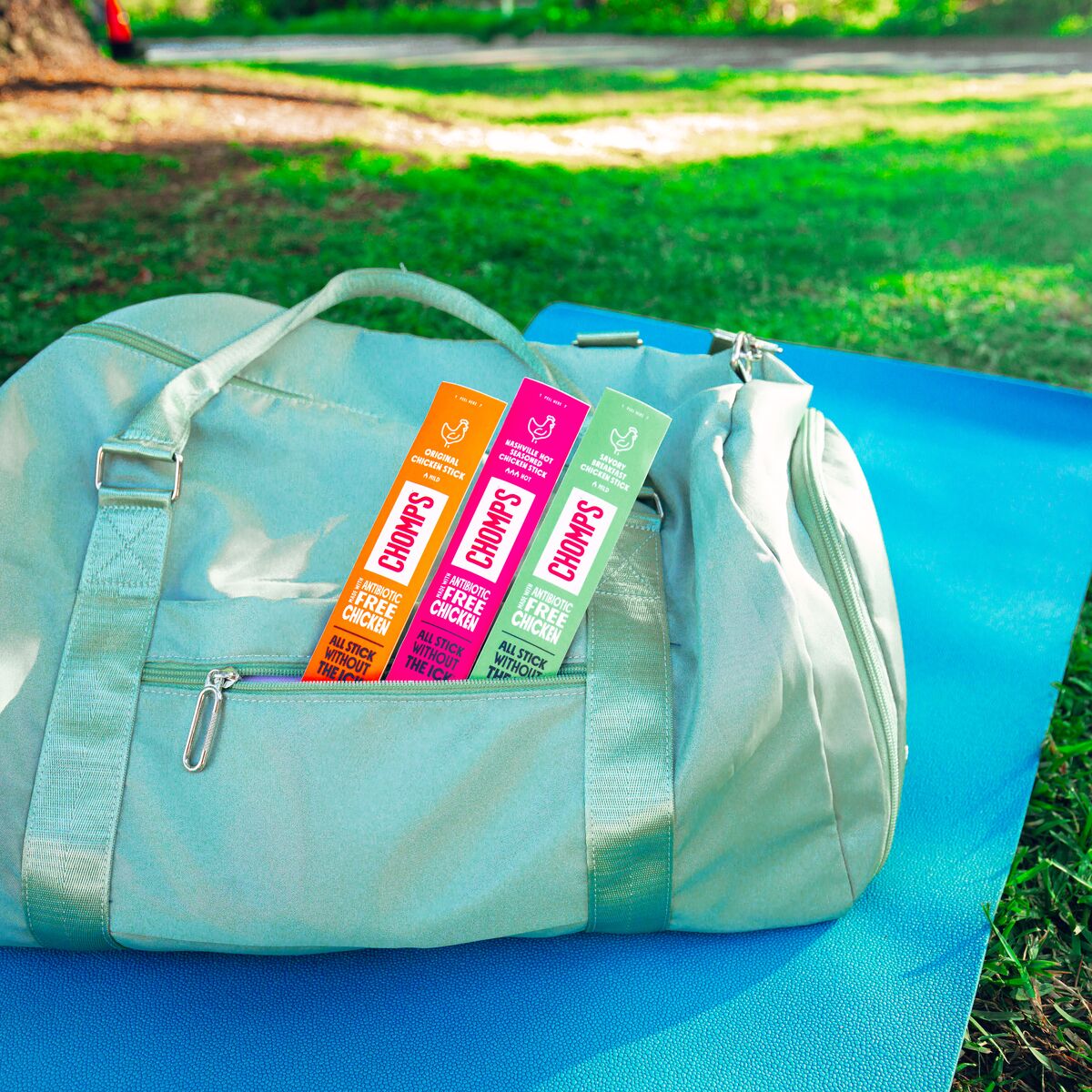
Convenience: Some high protein powder alternatives require cooking or refrigeration, while others can stay in your desk, gym bag, or pantry. Keeping a variety of high-protein snacks available can make staying consistent easier.
Satiety and digestion: Solid foods may feel more satisfying than liquids, but tolerance of certain foods can vary. For example, dairy, legumes, beans, or high-fat protein choices may not work equally well as alternatives to protein powder for everyone.
Macronutrient balance: Protein foods may also contain carbohydrates, fat, or both, whereas many protein powders are often low in macronutrients other than protein. That is not necessarily a drawback, but it may influence which option among alternatives to protein powder best fits your goals.
Dietary preferences: Look for choices among protein powder alternatives that align with your needs, whether you follow a gluten-free, vegetarian, carnivore, keto, paleo, or other eating pattern.
Best Protein Powder Alternatives
If you are looking for ideas for a substitute for protein powder, here are 10 of our favorites.
1. Chomps Meat Sticks
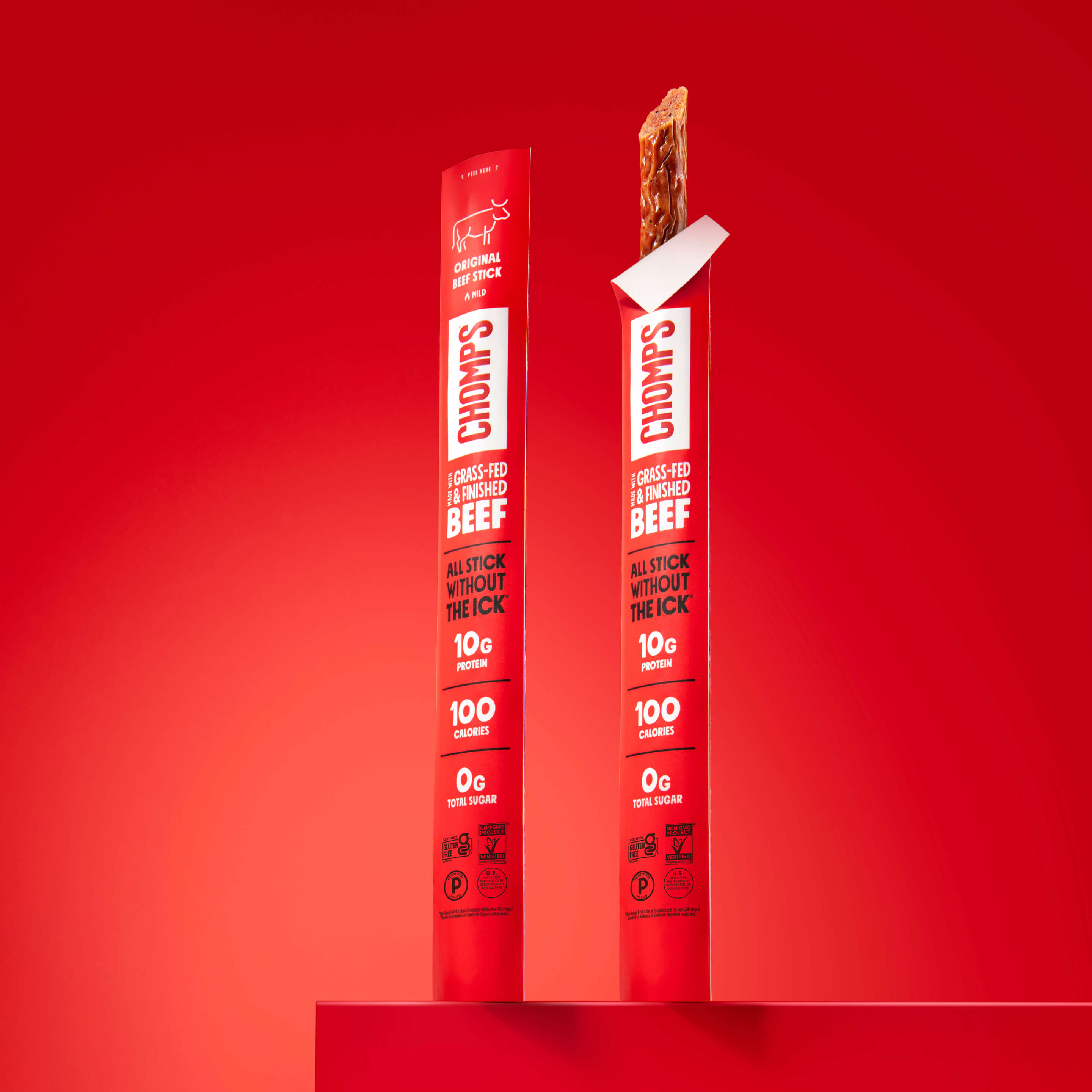
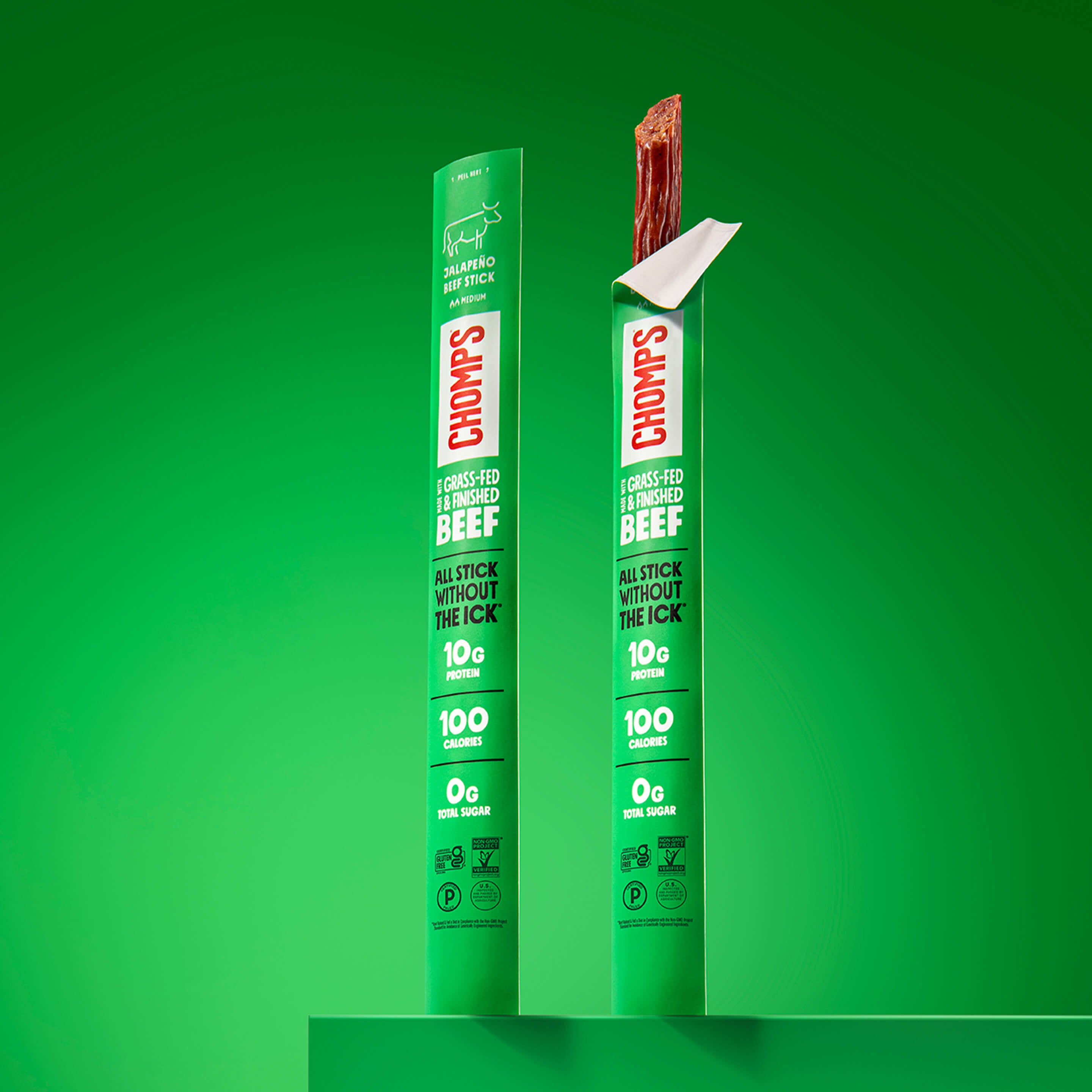
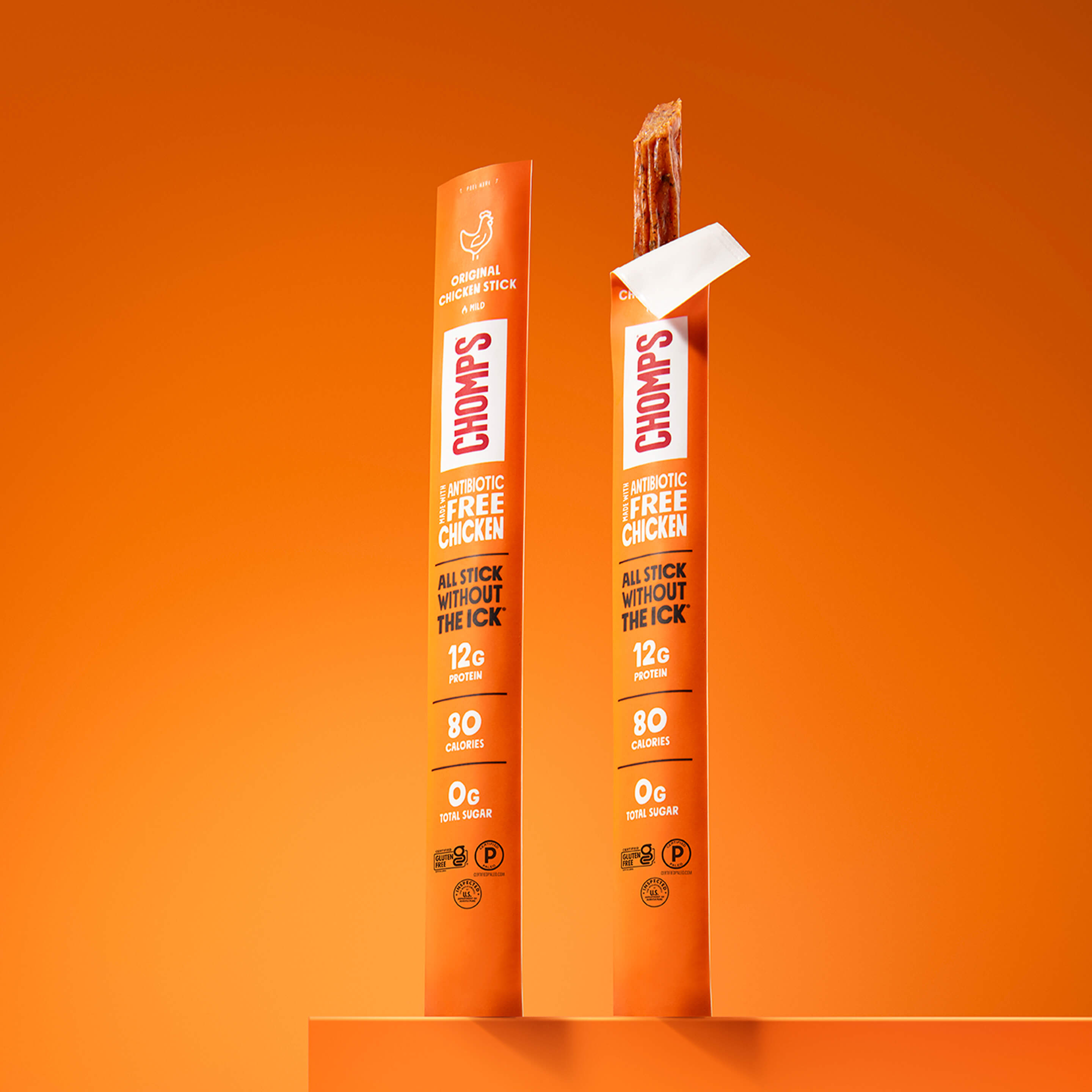
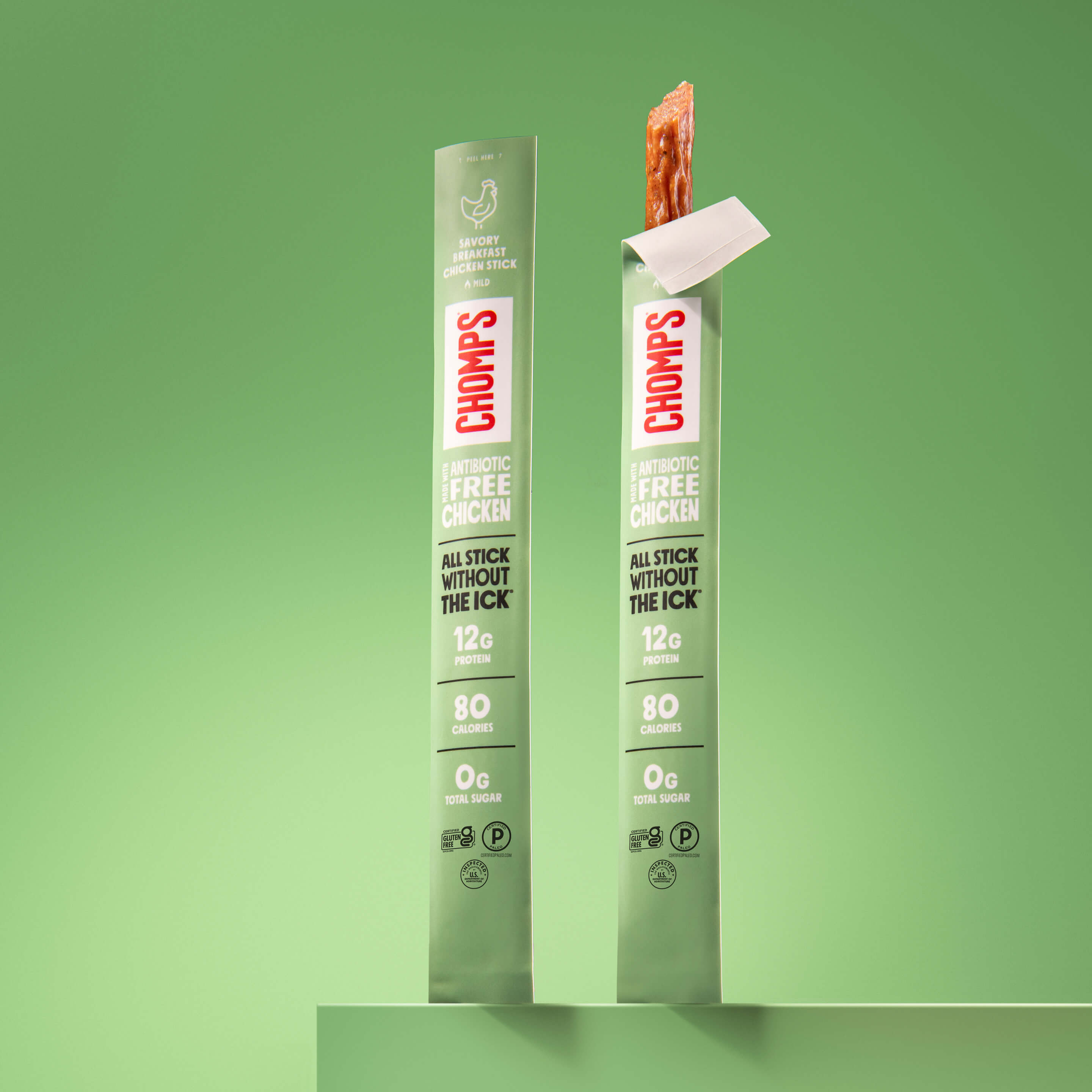
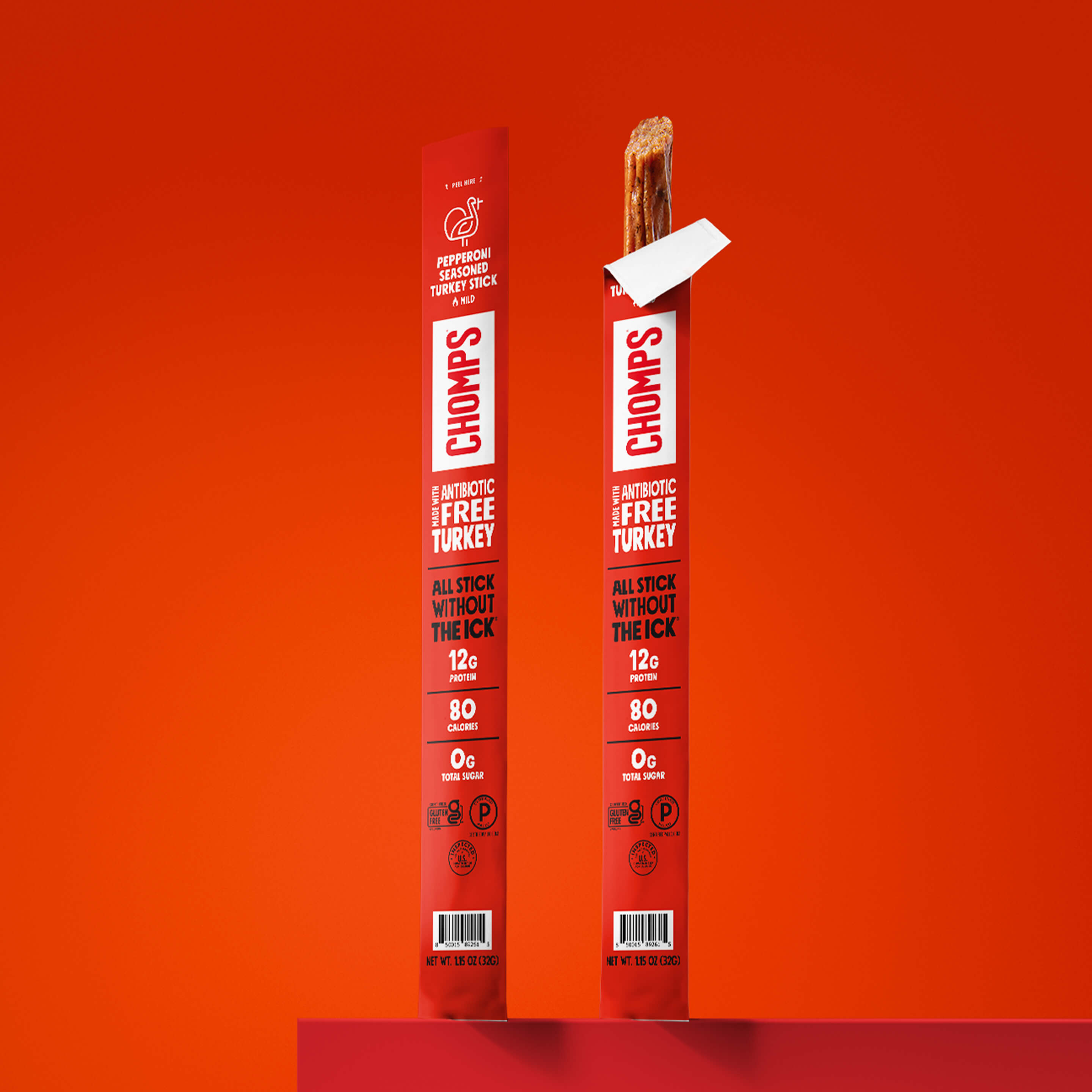
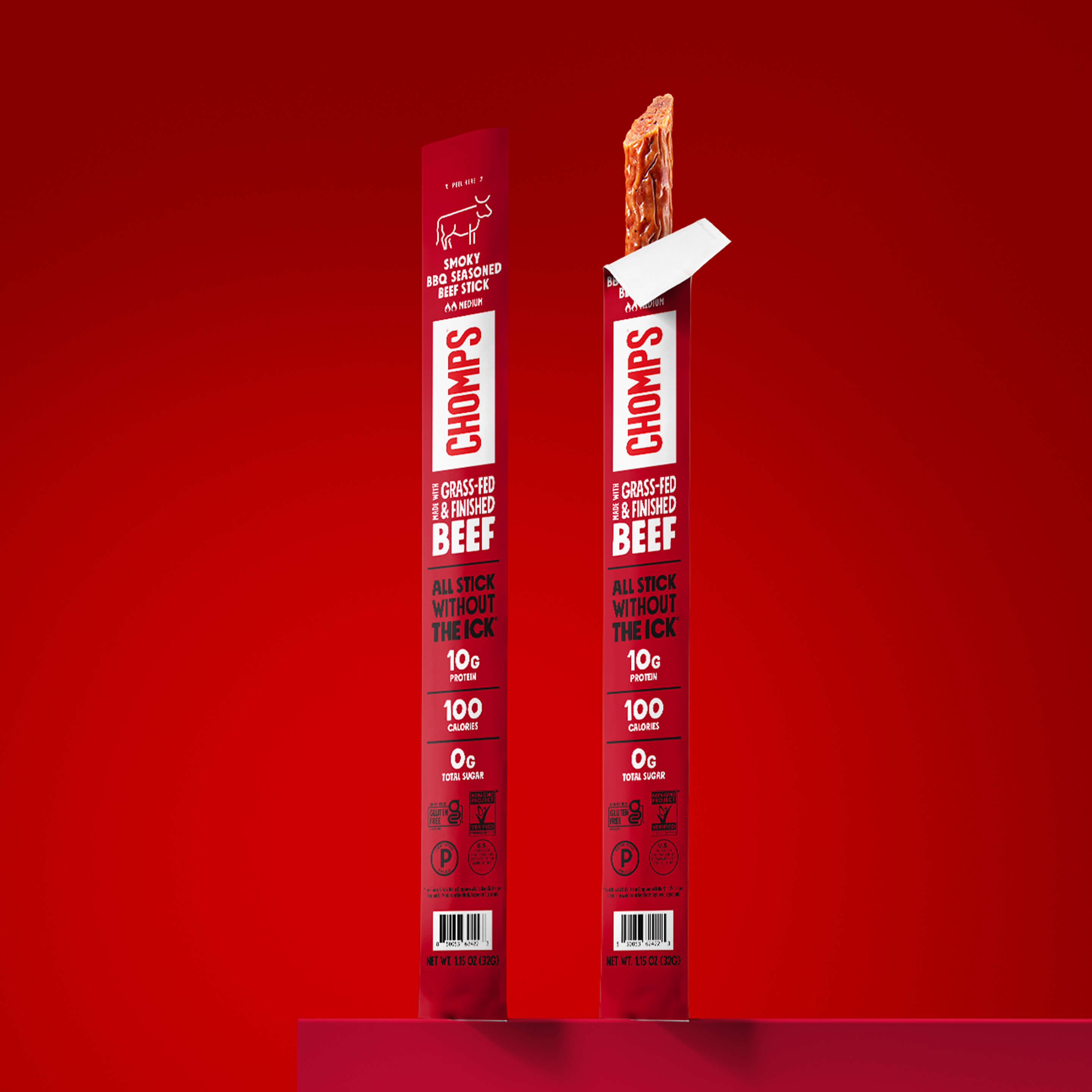
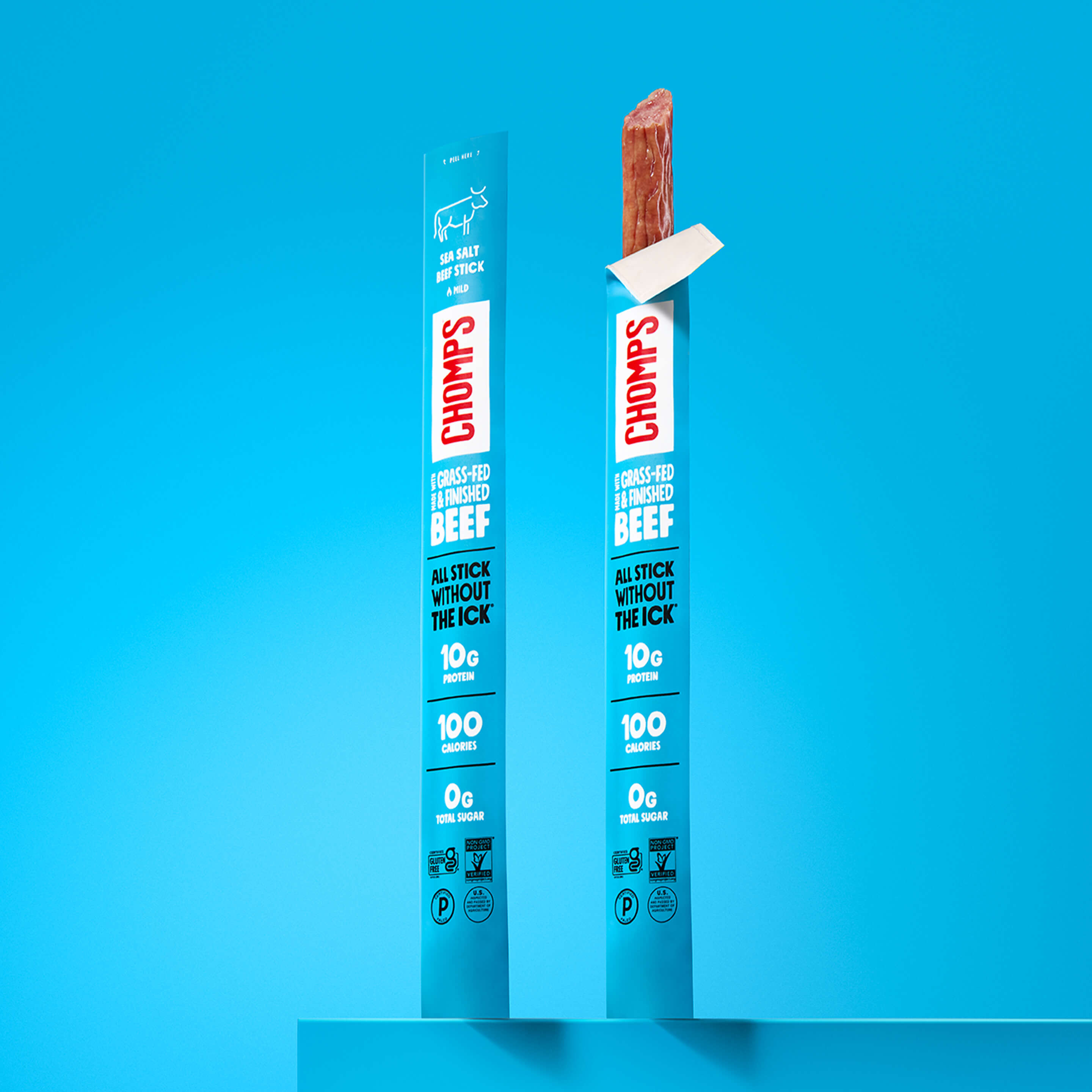
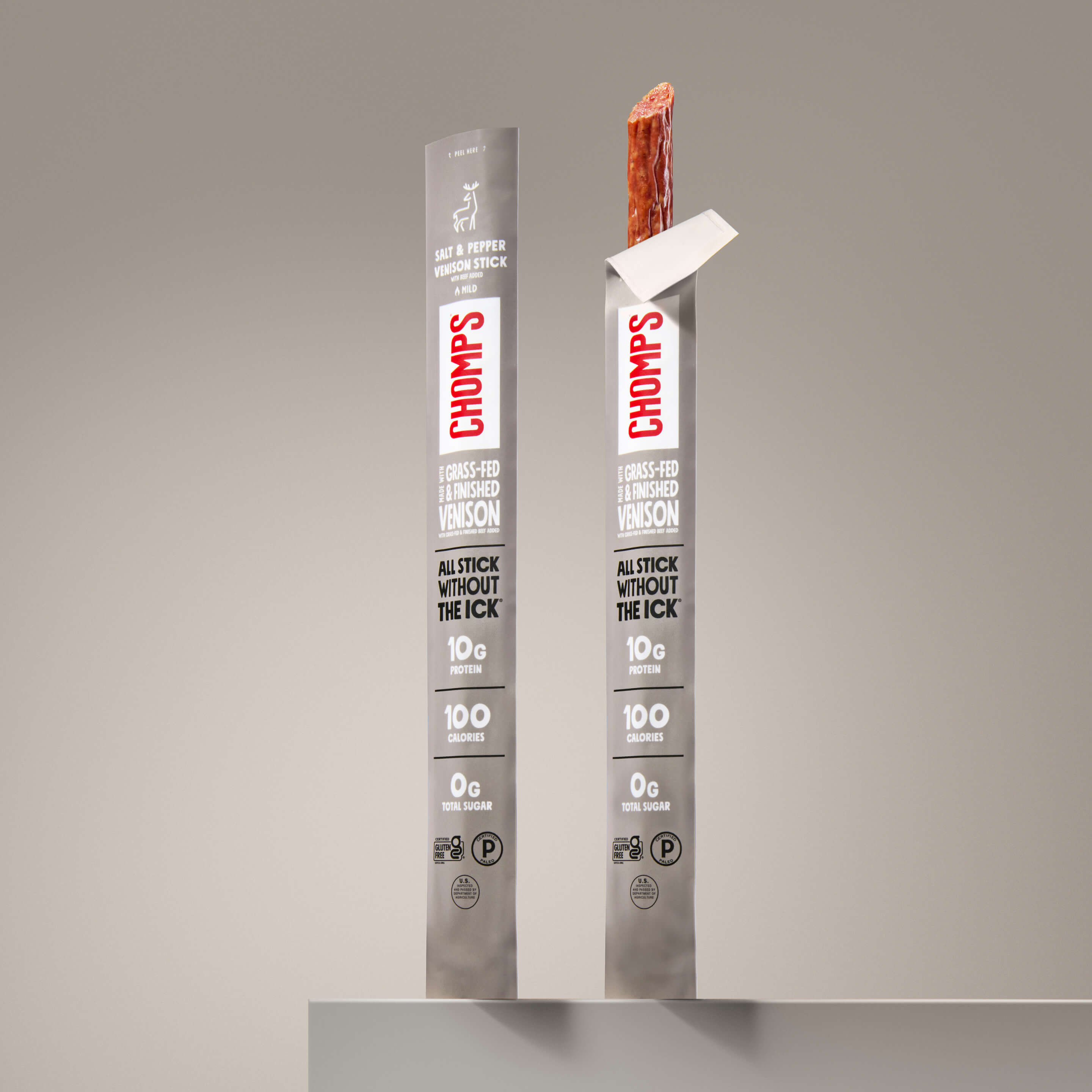
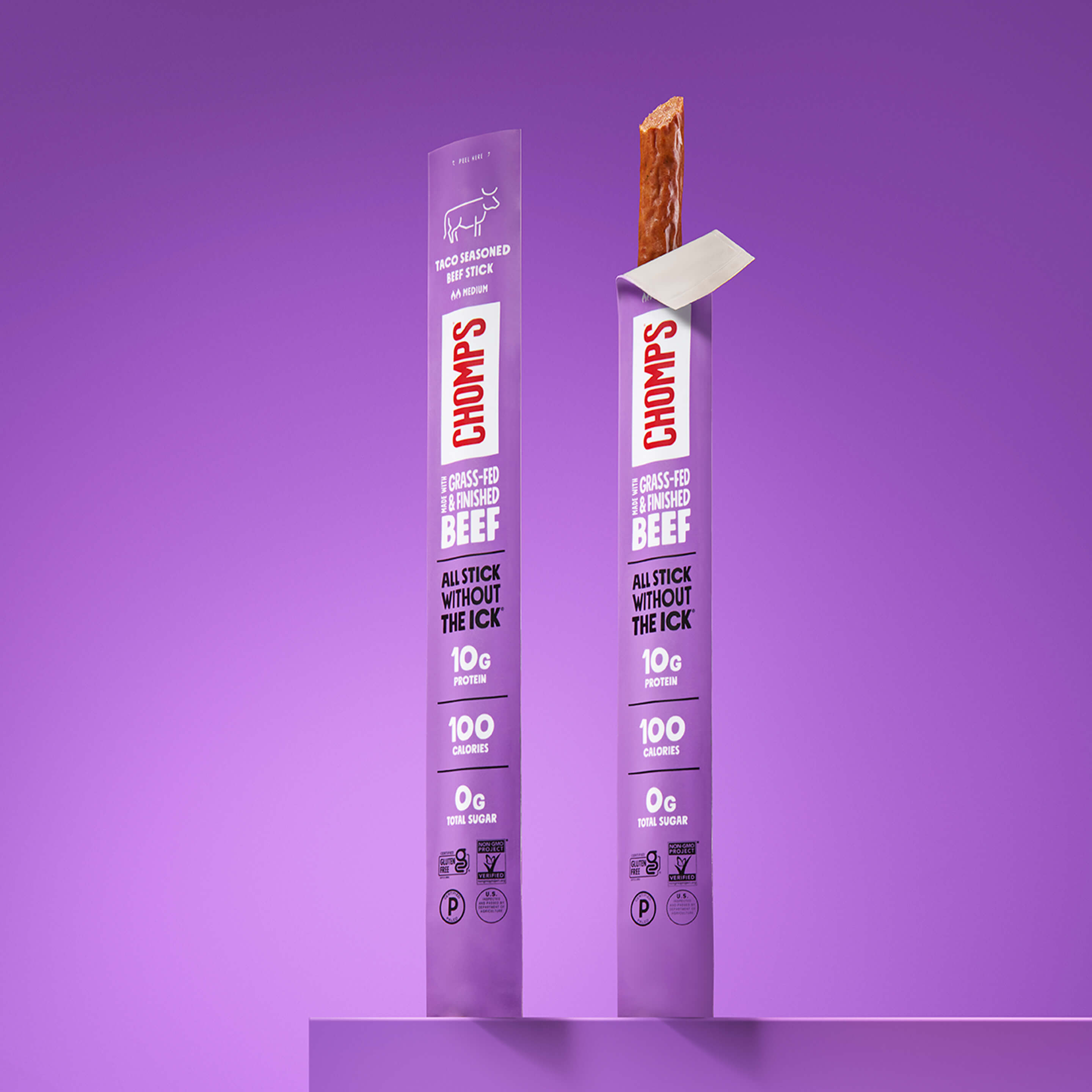
Chomps meat sticks are a convenient source of portable protein that requires no mixing, blending, or refrigeration. Depending on the type, a full-size stick provides 10 to 12 grams of protein and contains 0 g sugar. Chomps uses 100% grass-fed and finished beef, antibiotic-free chicken and turkey, and grass-fed and finished venison.
Because they are shelf-stable and individually packaged, meat sticks work well for travel, work, school lunches, and busy days. Pair this alternative to protein powder with fruit, vegetables, or whole-grain crackers for a more complete snack.
Explore the different flavors:
Can't choose just one? Try our Chomps Variety Packs to find your favorite protein powder replacement.
2. Eggs (Whole or Egg Whites)
Eggs provide complete protein and can work at breakfast, lunch, dinner, or snack time. One large egg supplies about 6 to 7 grams of protein, while egg whites have the same amount of protein but almost zero fat.
Among alternatives to whey protein, eggs are extremely versatile. Prepare hard-boiled eggs in advance, make an omelet with vegetables, or add chopped eggs to toast or salad.
3. Greek Yogurt
Greek yogurt is a protein powder alternative that can be eaten alone, added to smoothies, or used as the base of a breakfast bowl. Protein content varies by brand, so be sure to compare labels.
For a high-protein snack, choose plain Greek yogurt and add berries, nuts, seeds, or granola for flavor and crunch. This protein powder substitute can also be used to replace sour cream in dips, dressings, and bowls.
4. Cottage Cheese
Cottage cheese is a complete protein that is rich in casein, a type of dairy protein that is digested more slowly than other types of protein. Similar to Greek yogurt, it can be eaten with fruit, spread on toast, mixed into eggs, or blended into sauces.
Single-serving containers make this substitute for protein powder a convenient snack, while larger containers can be used for recipes. Certain brands of cottage cheese can be higher in sodium, so if that is a concern, make sure to compare the sodium content.
5. Chicken Breast
Chicken breast is a lean, complete protein that works well for meal prep. Cook several portions at once and add these alternatives to protein powder to salads, wraps, grain bowls, soups, or pasta.
Rotisserie chicken and precooked chicken strips can save time when cooking from scratch is not practical. For more ideas, see these additional tips for how to increase protein intake.
6. Tuna and Salmon
Canned or packaged tuna and salmon make for a great, portable high protein snack or meal. They are a good source of essential omega-3 fatty acids that help support heart health and a normal inflammatory response.
For a bit of variety, look for flavored tuna or salmon pouches that can be easily kept in the pantry for a quick lunch or snack. Serve this protein powder substitute with whole grain crackers, on cucumber slices, or as part of a high protein snack plate.
7. Lentils and Beans
Lentils, chickpeas, black beans, and other legumes offer plant-based protein along with fiber. As protein powder alternatives, they may be especially filling because they contain both protein and carbohydrates.
Add them to soups, chili, salads, tacos, or grain bowls. Although individual plant foods may contain lower amounts of certain essential amino acids, eating a varied diet can help meet overall amino acid needs.
8. Tofu and Tempeh
Tofu and tempeh are soy-based, vegan-friendly complete proteins. Tofu has a mild flavor and absorbs marinades well, while tempeh has a firmer texture and is great in bowls, curries, or breakfast scrambles.
Tempeh generally contains more protein and fiber per serving. Meanwhile, tofu, as a protein powder substitute, may be easier to blend into sauces and smoothies.
9. Nuts and Nut Butters
Nuts and nut butters contribute some protein along with unsaturated fats. These alternatives to protein powder are not as nutrient-dense as meat, fish, dairy, or soy, but they can help increase the protein and calorie content of meals and snacks.
Spread nut butter on toast, stir it into oatmeal, or pair nuts with fruit. Portion size matters because nuts are energy-dense, particularly if you are specifically looking for low-calorie, high-protein snacks as part of your routine.
10. Quinoa
Quinoa is a complete plant protein and a useful alternative to rice or other grains. One cooked cup provides about 8 grams of protein, along with carbohydrates and fiber.
Use this protein powder substitute in grain bowls, salads, soups, or breakfast porridge. It will not provide as much protein as a typical protein shake on its own, but pairing it with beans, tofu, chicken, or fish creates a higher-protein meal.
Can You Build Muscle Without Protein Powder?
Yes. Protein powder is a convenience product, not a requirement for muscle growth.
Building and maintaining muscle depends on consistent resistance training, adequate total calories, sufficient daily protein, and regular recovery. Protein powder alternatives such as chicken breast and cottage cheese can provide all the nutrients your body needs.
What matters most is your total intake over time. Spreading protein across meals and snacks can make your goal easier to reach than trying to consume most of it at dinner. These protein hacks can help you plan ahead.
How to Get 100g of Protein a Day Without Protein Powder
Protein needs vary, so 100 grams is not the right target for everyone. However, a day might look like this:
-
Breakfast: Two eggs (12g) with one cup of Greek yogurt (20g)
-
Lunch: Chicken salad with approximately four ounces of chicken (30g)
-
Snack: A Chomps meat stick with fruit (10+g)
-
Dinner: Salmon with quinoa and vegetables (35g)
Total: 107 g of protein.
This type of combination can provide approximately 100 grams, depending on brands and portions. To plan a 100 g protein day that works for you, start by choosing a substitute for protein powder for each meal, then add produce, carbohydrates, and fats around it.
Are Chomps Meat Sticks a Good Protein Powder Alternative?
Chomps meat sticks can be a practical protein powder substitute when you want solid food, portability, and no preparation. Each full-size stick provides 10+ grams of protein, depending on the variety, and can be stored in a bag, desk, or pantry until opened.
Keep in mind that a meat stick does not provide as much protein as many shakes, but it may feel more satisfying because it requires chewing and can be paired with other foods. As a substitute for protein powder, it is also useful when carrying a shaker bottle or a refrigerated snack is inconvenient.
Protein powder can still have a place in a balanced diet. But eggs, dairy, meat, seafood, legumes, soy foods, nuts, and grains offer plenty of quality protein options that make it possible to meet your protein needs without relying on a daily shake.
Learn more about all of our meat stick flavors and varieties.

Even More for you to Chew On





The Daily Chomp
 Our Blog
10 Camping Meals Perfect for Outdoor Adventures
Our Blog
10 Camping Meals Perfect for Outdoor Adventures
 Our Blog
10 Festival Snacks to Bring to Concerts or Music Festivals
Our Blog
10 Festival Snacks to Bring to Concerts or Music Festivals
 Our Blog
What to Bring to a Picnic: Checklist of Essentials & Items
Our Blog
What to Bring to a Picnic: Checklist of Essentials & Items
 Our Blog
25 Healthy Halloween Snacks for Kids & Parties
Our Blog
25 Healthy Halloween Snacks for Kids & Parties
 Our Blog
Low Fat Snacks That Are Satisfying & Tasty
Our Blog
Low Fat Snacks That Are Satisfying & Tasty
 Our Blog
The Best Bulking Snacks for Muscle & Healthy Weight Gain
Our Blog
The Best Bulking Snacks for Muscle & Healthy Weight Gain
 Our Blog
BHA and BHT in Food: What They Are & Why Preservatives Can Be Bad for You
Our Blog
BHA and BHT in Food: What They Are & Why Preservatives Can Be Bad for You
 Recipes
15 Low Calorie Breakfast Ideas That Keep You Full
Recipes
15 Low Calorie Breakfast Ideas That Keep You Full
 Recipes
Halloween Charcuterie Board: How to Make a Spooky Spread
Recipes
Halloween Charcuterie Board: How to Make a Spooky Spread
 Our Blog
20 Halloween Breakfast & Brunch Ideas with Recipes
Our Blog
20 Halloween Breakfast & Brunch Ideas with Recipes