

Key Takeaways
-
BHA and BHT in food are synthetic antioxidants used as preservatives to keep fats and oils from turning rancid.
-
BHA has drawn extra scrutiny because it has been classified as a possible human carcinogen.
-
BHT often shows up in breakfast cereals, snack foods, baked goods, and some processed meats.
-
If you're checking labels for BHT foods to avoid, look for the terms BHT and butylated hydroxytoluene.
-
Foods with BHT and BHA vary by brand, so two similar products can have different ingredient lists.
-
Chomps meat sticks are made without BHA or BHT as a preservative-free protein snack option.
BHA (butylated hydroxyanisole) and BHT (butylated hydroxytoluene) are synthetic antioxidants used as food preservatives. They slow oxidation, help prevent fats and oils from becoming rancid, and extend the shelf life of certain foods.
Both BHA and BHT are permitted for specific food uses in the United States under established conditions. At the same time, researchers continue to study their potential health effects, and both ingredients are currently undergoing post-market safety assessment by the U.S. Food and Drug Administration (FDA).
Regulatory approval does not necessarily mean that questions about an ingredient are permanently settled. Instead, approval is dependent on new research as agencies evaluate intended use, estimated exposure, and available safety data.
If you prefer to limit BHA and BHT in food, checking ingredient labels and choosing products formulated without these preservatives can help.
What Are BHA and BHT in Food?
BHA and BHT are synthetic antioxidants used as food preservatives. They help slow oxidation, prevent fats and oils from becoming rancid, preserve flavor and freshness, and extend the shelf life of certain foods.
BHT in food and BHA work as antioxidants, not antimicrobial preservatives. Antimicrobial preservatives stop bacteria, mold, or yeast from growing. BHA and BHT don't do that. Instead, they slow the chemical reaction between fat and oxygen that causes rancidity.
BHA stands for butylated hydroxyanisole, while BHT stands for butylated hydroxytoluene. Although they are chemically different compounds, they serve similar purposes in food.
When fats react with oxygen over time, they can break down and become rancid. This may lead to unpleasant flavors and odors that can reduce the overall quality of a food. Manufacturers may use BHA in food or BHT to preserve freshness and flavor. How much of these preservatives can be used depends on the food and certain regulatory limits.
What Foods Contain BHA and BHT?
BHA and BHT can be found in some packaged and processed foods, particularly products containing fats and oils where preventing oxidation helps maintain freshness and extend shelf life. The specific foods with BHT or BHA vary by product and formulation, so checking the ingredient list is the most reliable way to identify them.
Common BHA or BHT foods to avoid often include:
-
Breakfast cereals
-
Snack foods such as chips and crackers
-
Baked goods
-
Chewing gum
-
Processed meats and meat snacks
-
Certain frozen or packaged meals
-
Other packaged foods containing fats or oils
However, not every food in these categories contains BHA or BHT.
A box of crackers from one brand, for example, may contain the BHT preservative, while a similar product from another brand may not. Product formulations can also change over time. BHA or BHT may also be used in certain food-contact or packaging.
Rather than assuming a particular category of food will always contain these preservatives, check the ingredient list of individual items. Because BHT in food and BHA work by slowing oxidation, they’re most common in products with fats or oils.
BHA and BHT Health & Safety Concerns
BHA and BHT are permitted for certain foods in the U.S. and both have been studied for potential health effects. Research has examined concerns including cancer, hormone activity, and other health effects.
The findings around BHA in food and BHT are not always straightforward. The type of compound, dose, duration of exposure, study design, and whether the research was conducted in humans, animals, or laboratory models all matter when interpreting the evidence.
Cancer Concerns
BHA in food has received particular attention because the National Toxicology Program lists it as “reasonably anticipated to be a human carcinogen.” That classification is mostly based on animal studies in which exposure to BHA caused stomach tumors in different species.
While more research is needed, this hazard classification identifies a substance's potential to cause harm under some circumstances. Currently, the evidence does not support the claim that eating foods containing permitted amounts of the BHA preservative causes cancer in humans, as this depends on many different factors.
Potential Hormone Effects
Researchers have also investigated whether BHA and BHT in food may influence hormones or endocrine function. Some laboratory and animal research has raised questions about possible hormone-related effects. However, these results should not be interpreted to mean that typical dietary exposure causes the same effects in humans; more research is needed to understand the effects.
Organ Effects
Some older animal and laboratory studies have examined potential negative effects of BHA in food and BHT on certain organs such as the liver, kidneys, and lungs, particularly at higher doses. But effects observed when animals receive large amounts of a substance do not necessarily predict what will happen when humans consume much smaller amounts through food.
Regulatory Status
BHA and BHT are currently allowed as additives, but regulators continue to evaluate emerging evidence.
In 2026, the FDA launched a reassessment of BHA in food and also initiated a post-market reassessment of BHT. These reviews evaluate updated information related to dietary exposure, safety, toxicity, and current food uses.
Why Consumers May Choose to Avoid Them
Even though the FDA currently allows BHA and BHT in food, some people prefer to minimize synthetic preservatives in their diet. This may be based on the available research, personal food preferences, or simply a desire to choose products with fewer added ingredients.
Dose and Exposure Matter
Keep in mind that when determining whether any food additive is harmful, the amount consumed matters. Potential risk can depend on:
-
How much is consumed
-
How often the ingredient is consumed
-
Total exposure from different sources
-
Individual differences in metabolism
This is why it can be misleading to describe an ingredient as simply “safe” or “dangerous” without considering various factors.
International Regulations
BHT in food and BHA are regulated differently across countries and regions. Differences in regulation do not automatically mean an ingredient has been proven dangerous in one country and safe in another. Regulatory agencies may reach different decisions because of differences in permitted uses, estimated exposure, available evidence, and other regulatory frameworks.
How to Limit or Avoid BHA and BHT in Food
To limit your exposure to BHA and BHT, check food labels for BHA, BHT, butylated hydroxyanisole, and butylated hydroxytoluene. You can also choose products formulated without these preservatives and prioritize foods with simple, recognizable ingredient lists. Here are a few simple ways you can become more aware of additives in your food.
Check the Ingredient List
The simplest way to determine whether a food contains BHA or BHT preservative is to read the ingredient list.
Look for:
-
BHA
-
Butylated hydroxyanisole
-
BHT
-
Butylated hydroxytoluene
Don’t rely on front-of-package claims like “natural” or “clean”. A product may sound wholesome based on its packaging but still contain ingredients you prefer to avoid, while another packaged product may have a relatively simple ingredient list.
Choose Foods With Simple Ingredient Lists
Foods with shorter, recognizable ingredient lists can make it easier to identify individual preservatives. You can also make simple substitutions to foods you already eat that reduce the number of additives.
For example:
-
Instead of highly flavored snack mixes, choose plain or lightly seasoned nuts.
-
Instead of packaged pastries, choose fruit with yogurt or another simple snack.
-
Instead of assuming all jerky contains the same preservatives, compare labels and choose a meat snack made without BHA and BHT.
-
Instead of highly processed snack bars, consider other protein bar alternatives.
But keep in mind, you do not have to make every food choice based on one ingredient. Your overall diet still matters more than obsessing over any single food additive. If you're trying to improve your diet, these tips on how to start eating healthy can help you focus on sustainable changes.
Choose Products Made Without BHA and BHT
Many products are made without BHA and BHT. Options may include:
-
Fresh or frozen fruits and vegetables
-
Plain nuts and seeds
-
Eggs
-
Yogurt and other minimally processed dairy products
-
Fresh meats and poultry
-
Certain packaged snacks, specifically those without BHA or BHT
-
Meat snacks made without these preservatives
Because formulations vary, always check the label rather than assuming a brand is automatically free of BHA and BHT. Food manufacturers are also increasingly responding to consumers who want simpler ingredient lists, one of several ongoing food trends influencing product ingredients.
Chomps Meat Snacks Made Without BHA and BHT
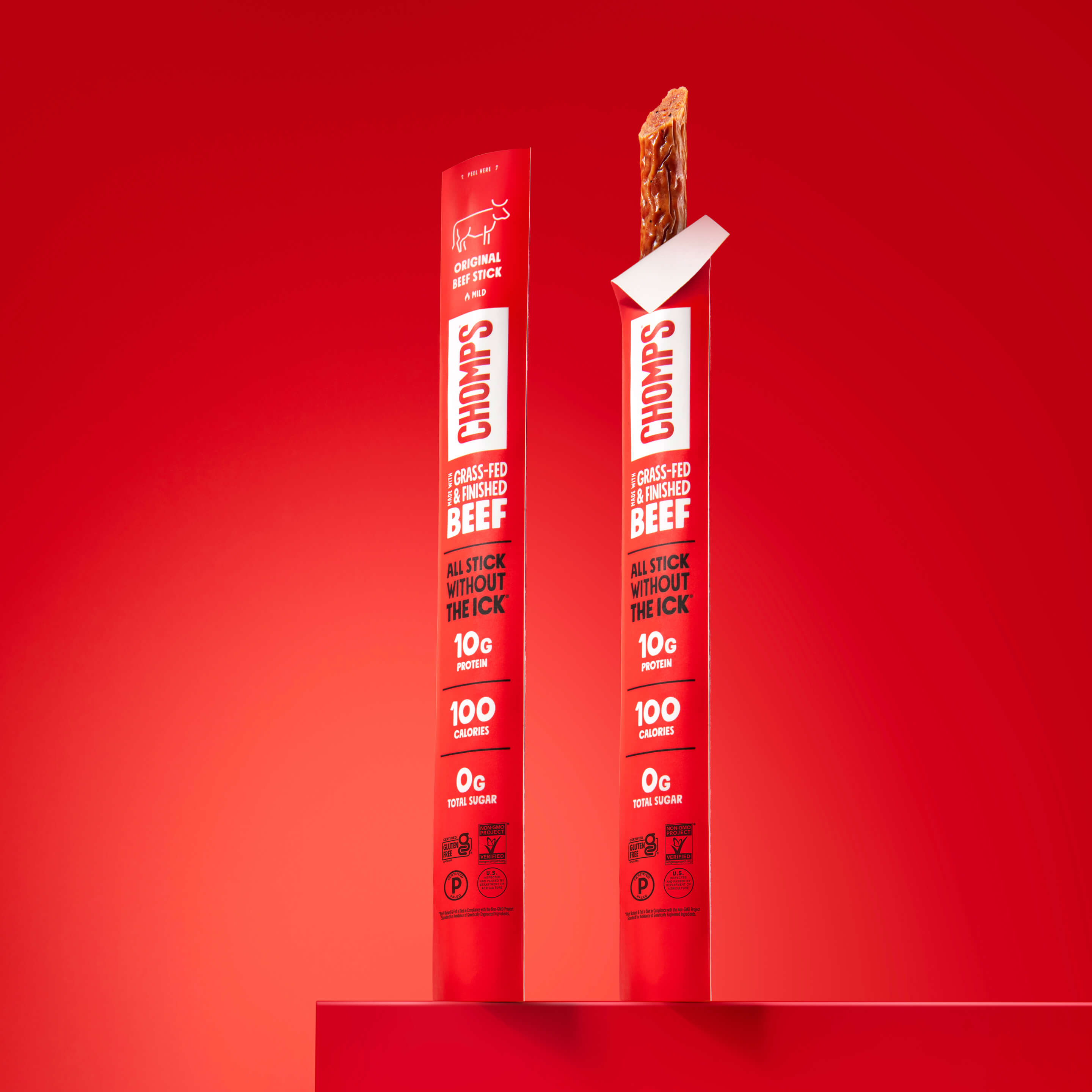
If you’re looking for meat snacks made without the BHT and BHA preservative, Chomps offers a simple ingredient approach. Chomps meat sticks are made without BHA or BHT, making it easy to choose a portable protein snack without these synthetic antioxidants.
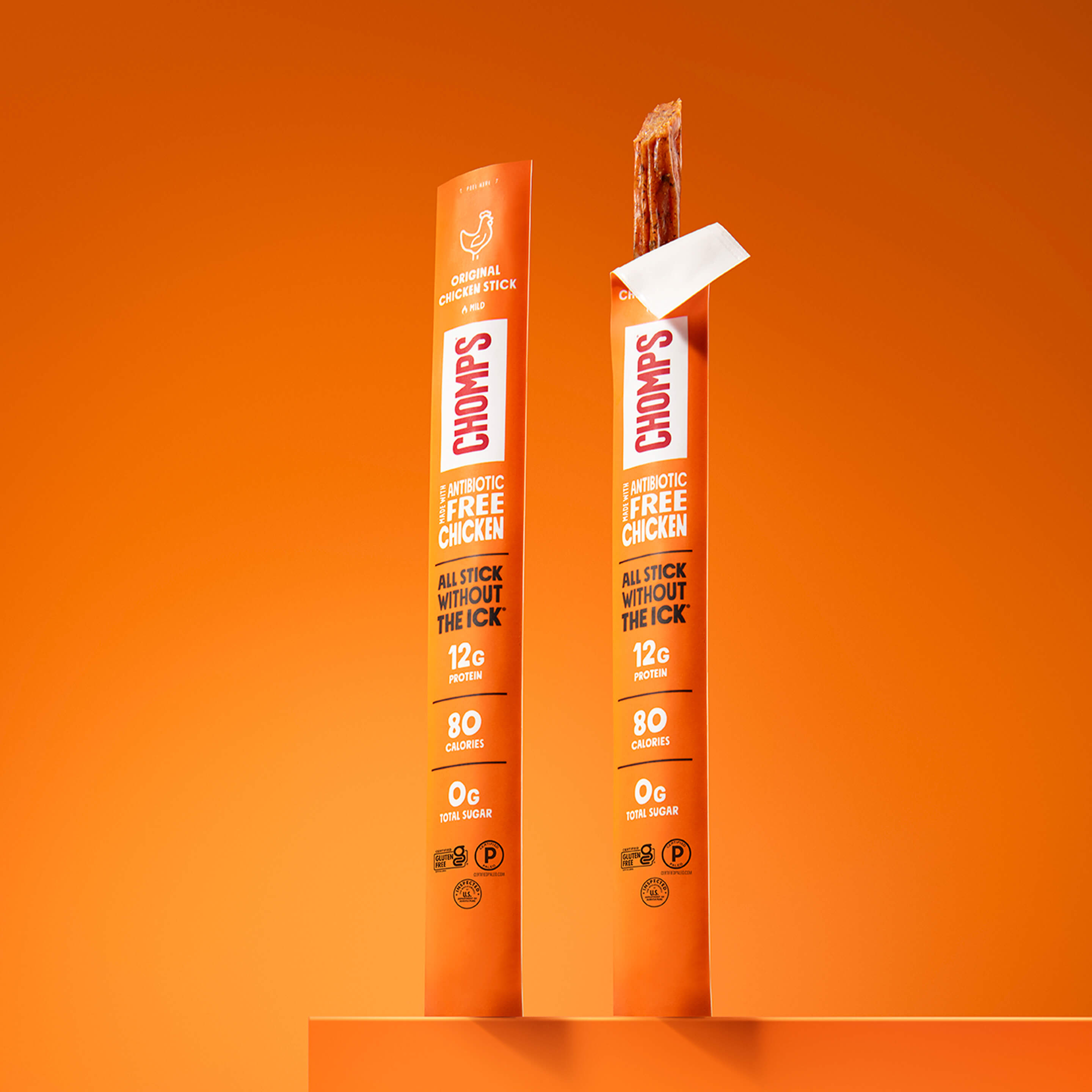
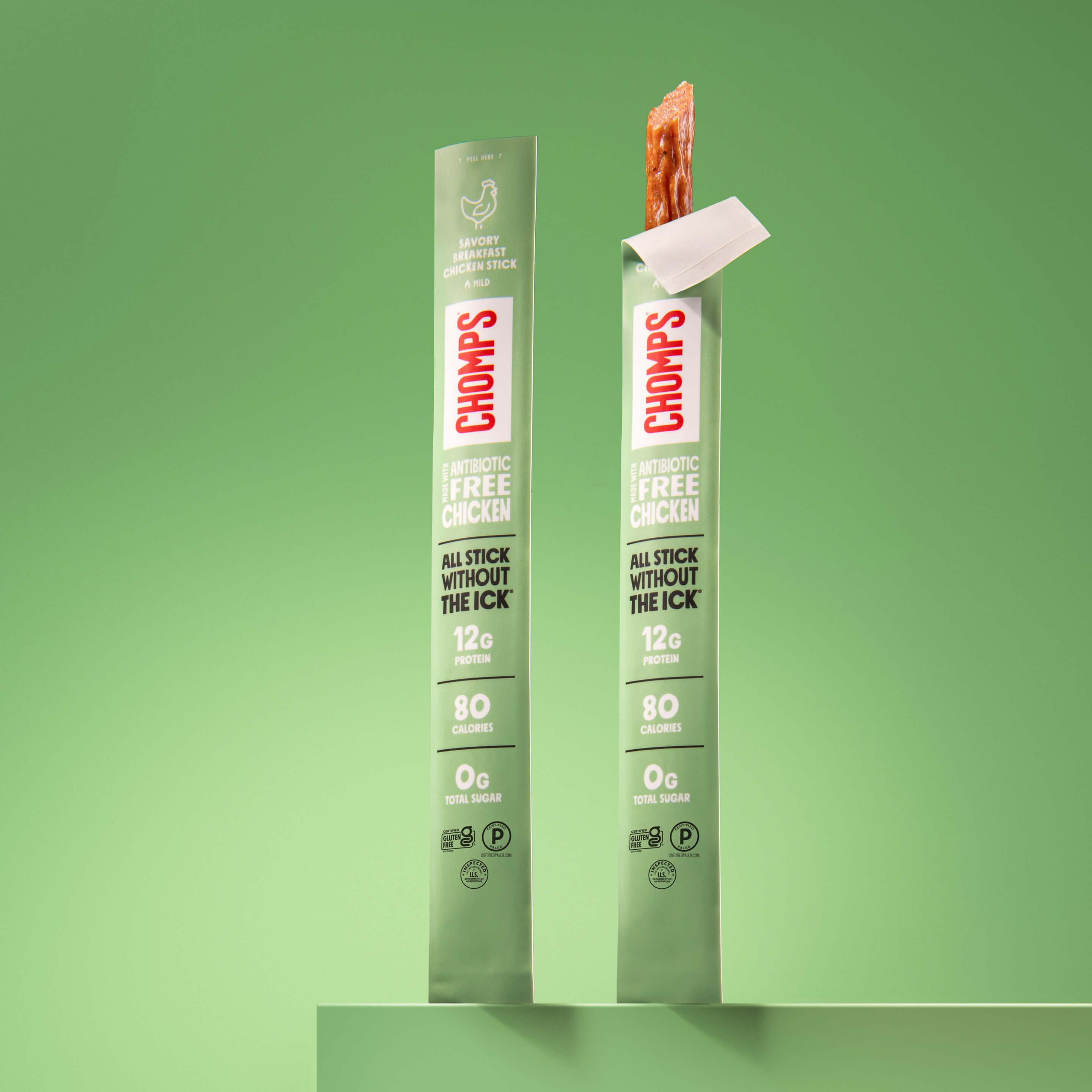
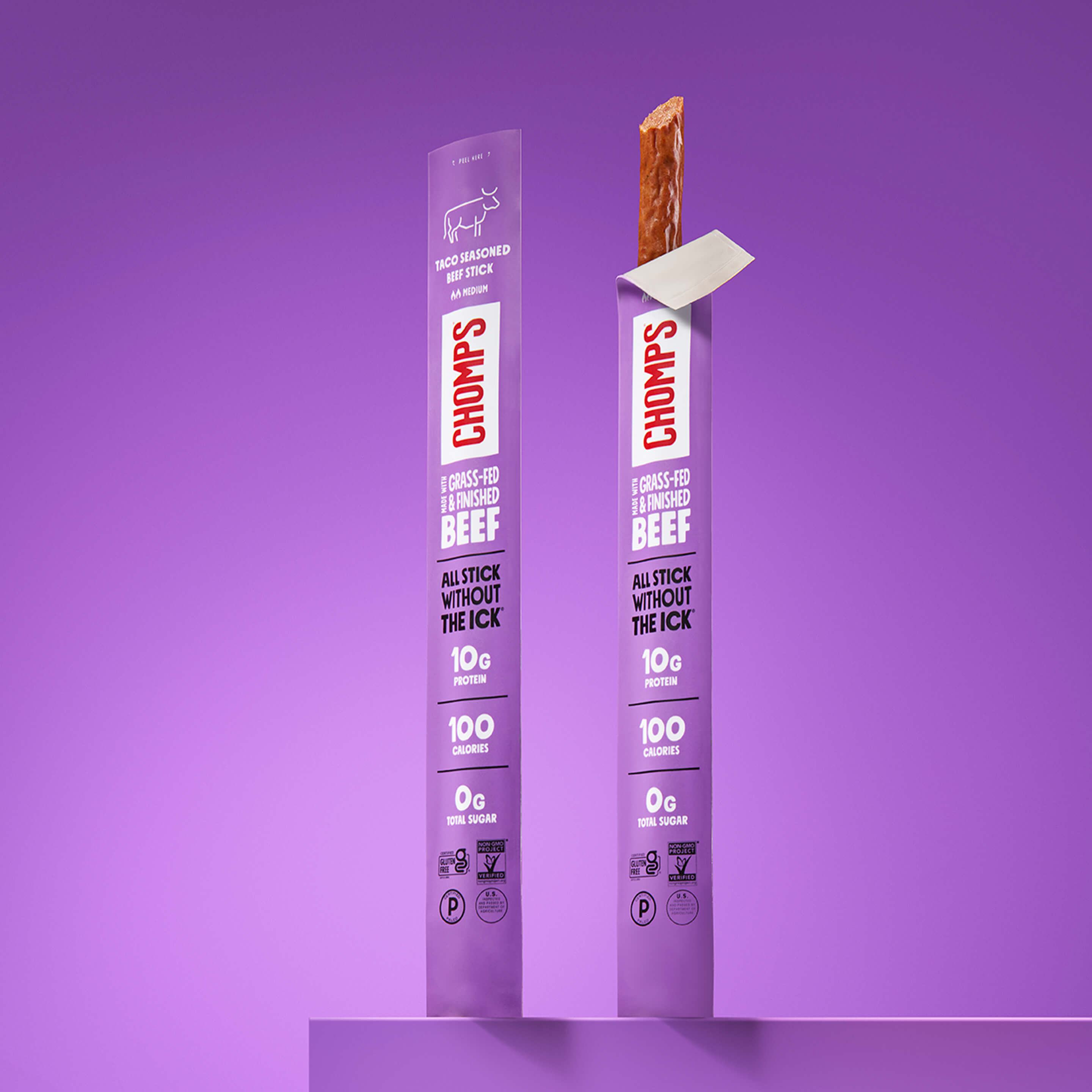
Chomps offers several protein options, including beef, turkey, and chicken varieties to meet your flavor and nutrition needs.
Choosing to avoid foods with BHT or BHA does not mean every food containing these preservatives is automatically harmful. It gives consumers another option if avoiding them aligns with their preferences.
Frequently Asked Questions About BHA and BHT
Are BHA and BHT the Same Thing?
No. BHA and BHT are two different chemical compounds. Both are synthetic antioxidants used for similar purposes, primarily slowing oxidation and helping protect fats and oils from becoming rancid.
Is It Bad for Your Health to Eat Foods With BHA and BHT?
The presence of BHA or BHT in a food does not by itself establish that the food is harmful. Both ingredients have permitted food uses in the United States, although potential health effects have also been investigated.
The FDA is currently reassessing both BHA and BHT using updated information on exposure, toxicity, and current use. Ultimately, whether BHT or BHA in food poses a potential risk depends on dose, frequency, total exposure, and the strength of the available evidence.
Why Are Preservatives Bad for You?
Preservatives are not inherently bad for you. They can serve useful purposes, including extending shelf life, maintaining food quality, reducing oxidation, and helping prevent certain forms of spoilage.
Whether a specific preservative is a concern depends on that ingredient's own safety profile. BHA and BHT are a good example: both are FDA-approved for food use, but they're also under FDA reassessment, which is why some people choose to limit them specifically rather than avoiding preservatives as a category.
What Foods Can You Eat Instead of Foods With BHA and BHT?
If you prefer to avoid BHA and BHT, choose foods and packaged products that do not list them as ingredients.
Options can include:
-
Fruits and vegetables
-
Nuts and seeds
-
Eggs
-
Dairy products
-
Fresh meats and poultry
-
Minimally processed foods
-
Chomps meat snacks made without these preservatives
The easiest approach is not necessarily to avoid all packaged food. Instead, compare ingredient lists and choose products that fit your preferences.


Even More for you to Chew On









The Daily Chomp
 Our Blog
10 Camping Meals Perfect for Outdoor Adventures
 Our Blog
20 Fall Appetizers for Your Next Autumn Party
 Recipes
Keto Stuffing: Easy & Tasty Low Carb Stuffing Recipe
 Our Blog
12 Paleo Thanksgiving Recipes for a Wholesome Feast
 Recipes
Gluten-Free Cornbread Stuffing: Ultimate Holiday Recipe
 Our Blog
24 Thanksgiving Gift Ideas to Share Gratitude
 Our Blog
Keto Thanksgiving Recipes for a Low Carb Holiday Feast
 Recipes
Thanksgiving Cheese Board: Holiday Platter Made Easy