
If you’ve spent any time researching GLP-1 medications, like semaglutide or tirzepatide, you’ve probably realized that what you eat still matters. These medications work by mimicking GLP-1, a natural gut hormone essential for weight management, regulating blood sugar, and controlling appetite. Eating the right GLP 1 foods can help you reach your goals faster, reduce side effects, support muscle retention, and help you feel your best long-term.
The good news? You don’t need a perfect diet or complicated meal plan when you’re on GLP-1 medications. Focusing on GLP-1 friendly foods that support fullness, digestion, hydration, reduce side effects, and provide steady energy can go a long way.
In this guide, we’ll cover the best GLP-1 foods to eat, foods to avoid on GLP-1, and easy snack ideas that fit into a realistic lifestyle.
4 Types of Foods to Eat on GLP-1
Some foods support GLP-1 success by helping promote satiety, stable blood sugar, and improved digestion. Prioritizing these foods may also help reduce some of the common side effects people experience while taking GLP-1 medications.
1. Protein Powerhouses
Protein is one of the most important nutrients when taking GLP-1 medications. It helps preserve muscle mass during weight loss, supports fullness, and can make meals more satisfying even when appetite is lower.
Some of the best high-protein GLP-1 foods to eat include:
Lean Meats & Poultry
-
Turkey
-
Salmon
-
Tuna
-
Eggs
-
Lean beef
Dairy & Plant-Based Protein Sources
-
Greek yogurt
-
Cottage cheese
-
Eggs
-
Tofu
-
Edamame
Legumes
-
Lentils
-
Chickpeas
-
Black beans
-
Kidney beans
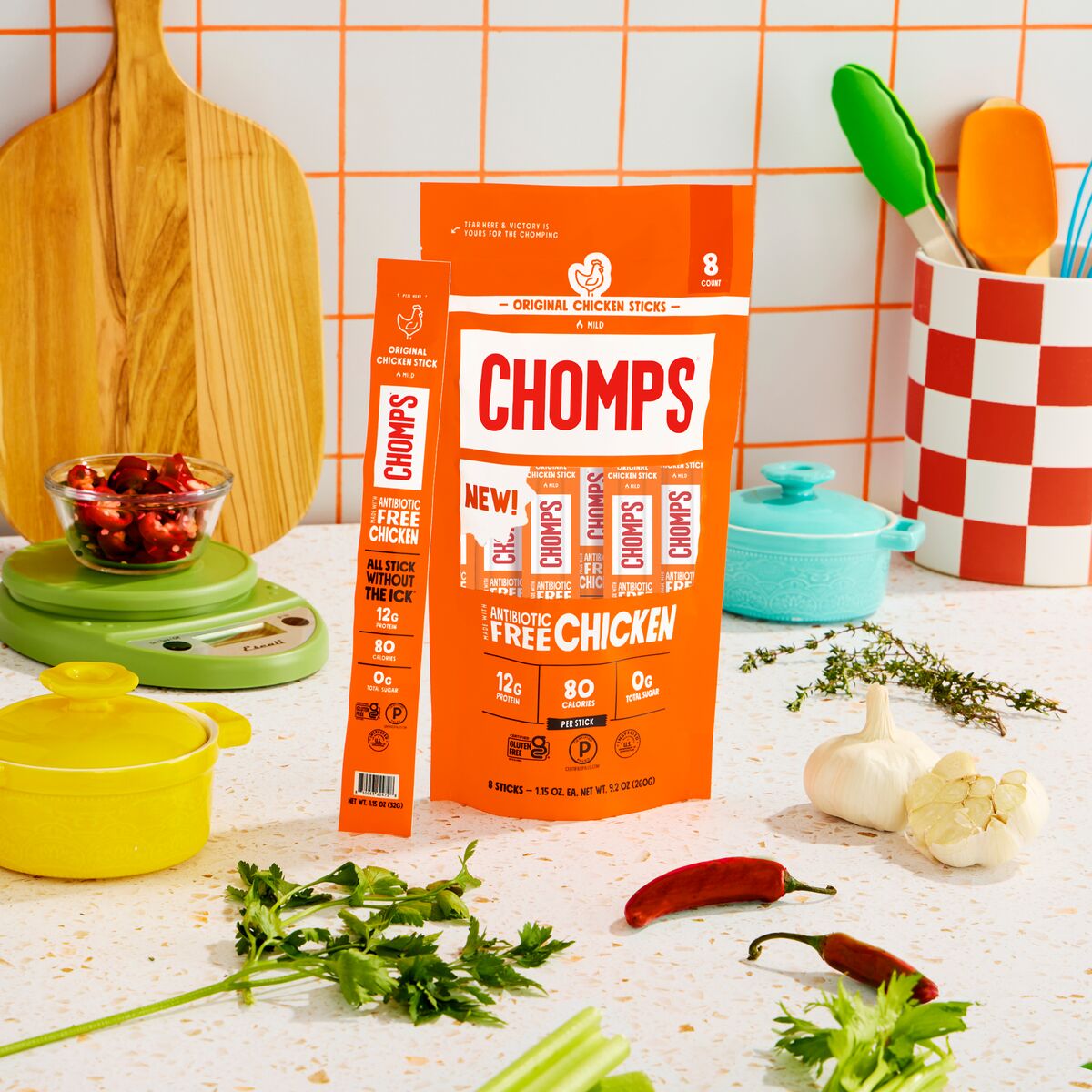
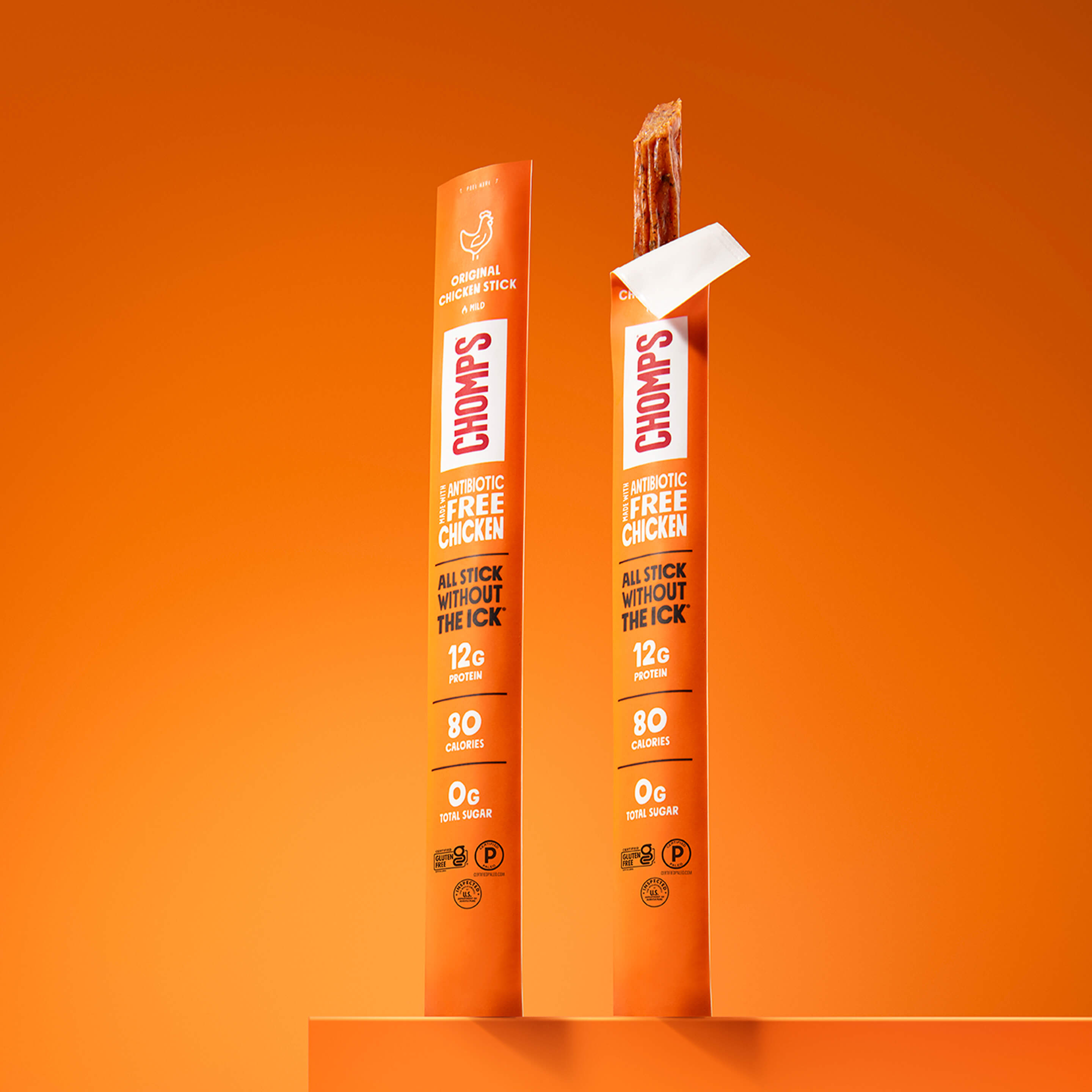
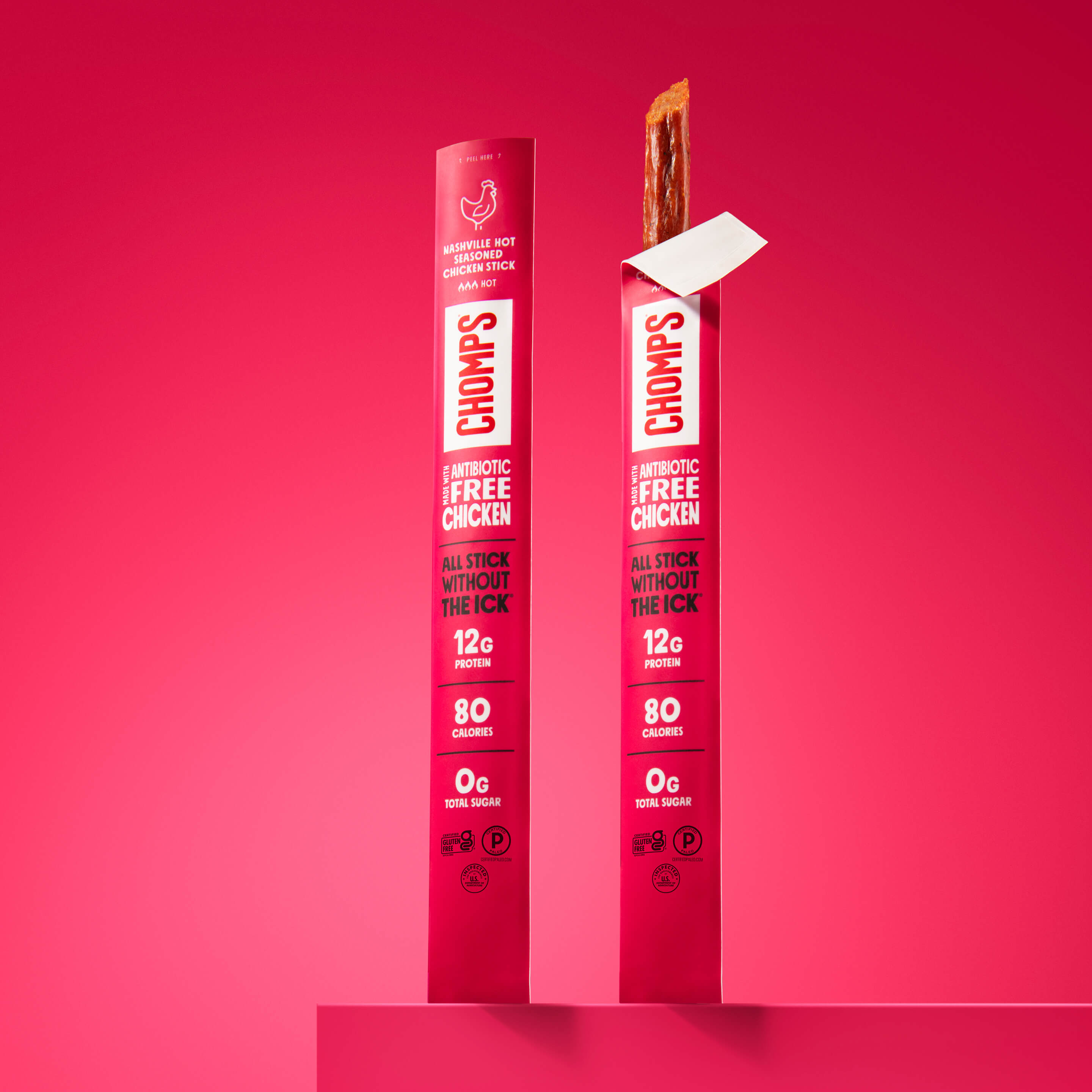
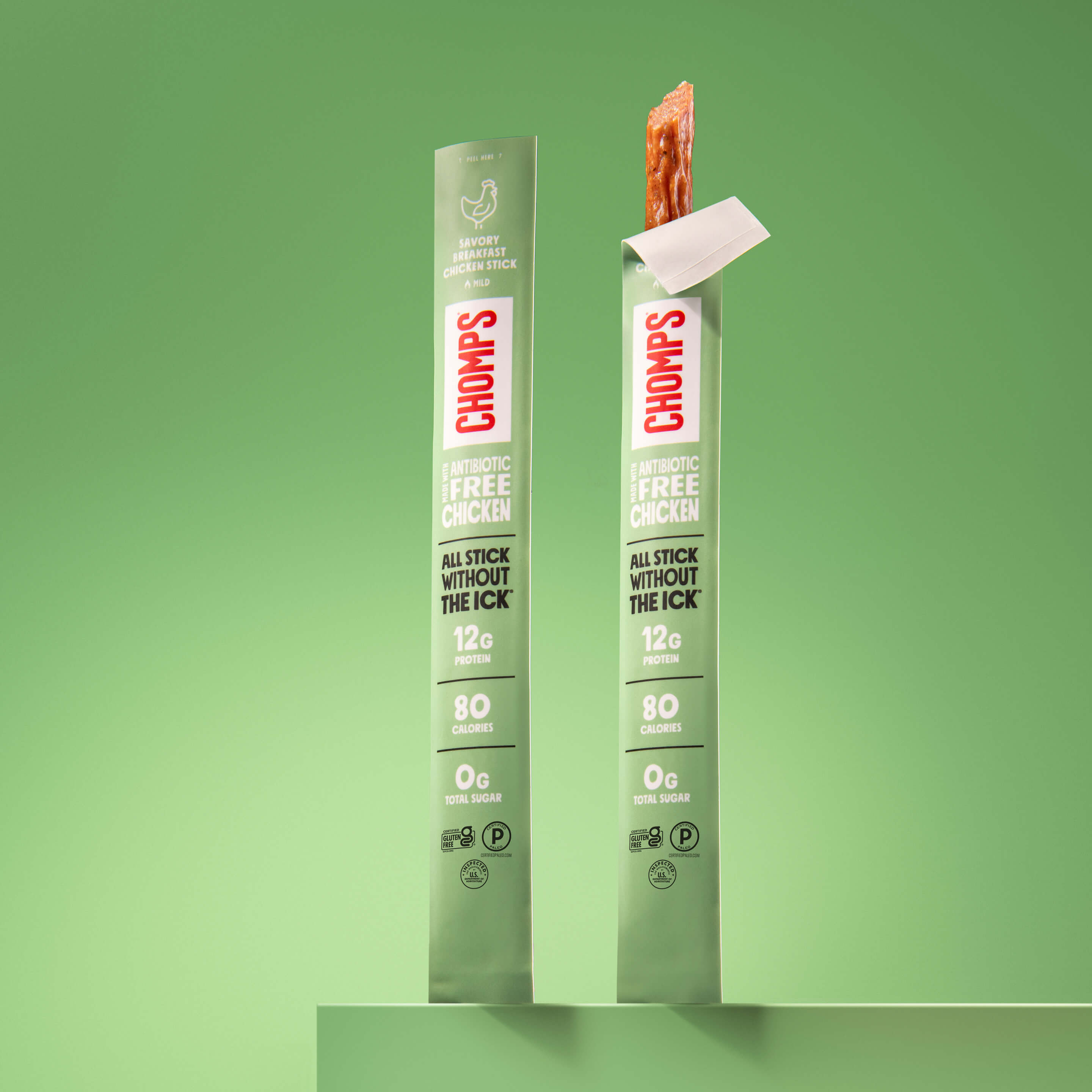
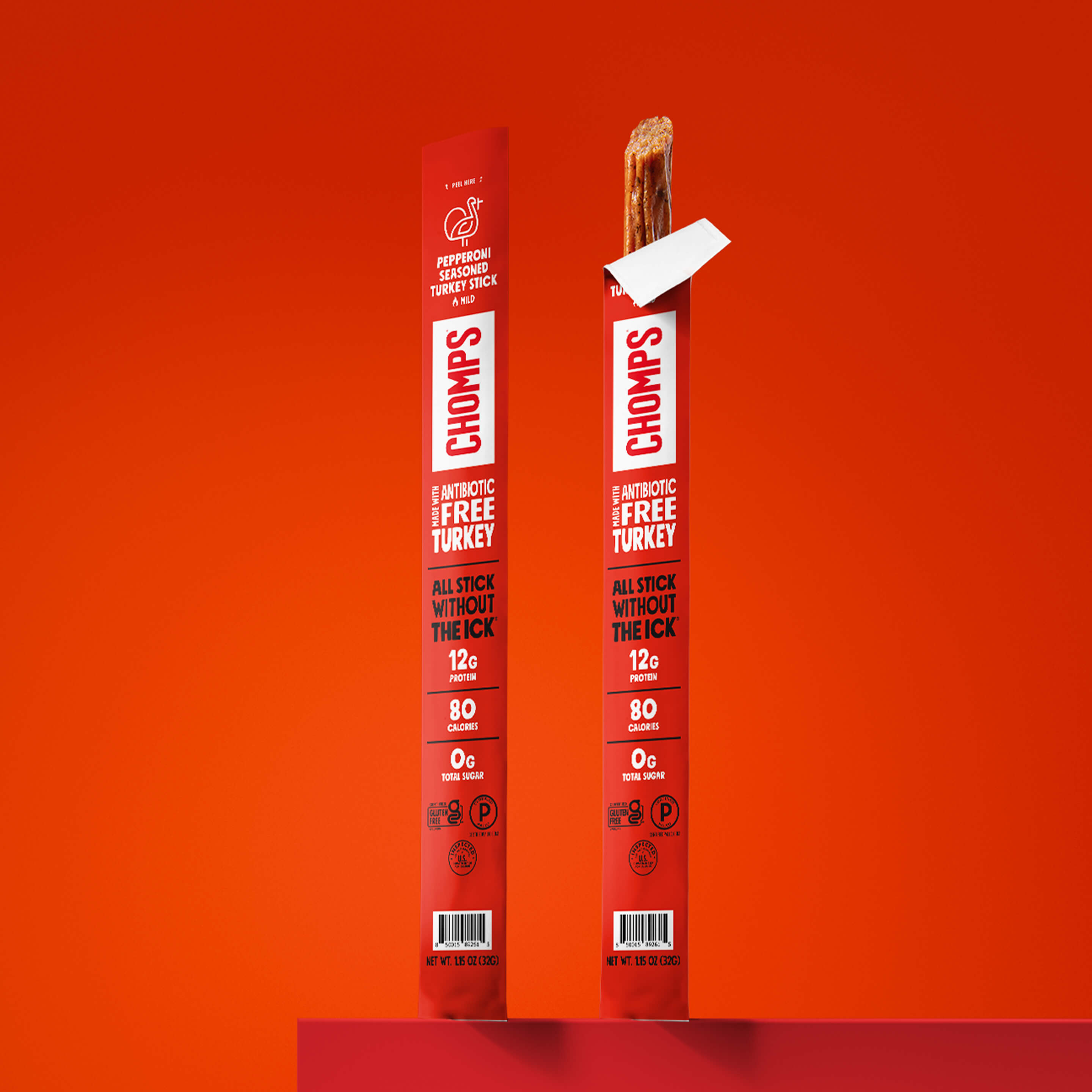
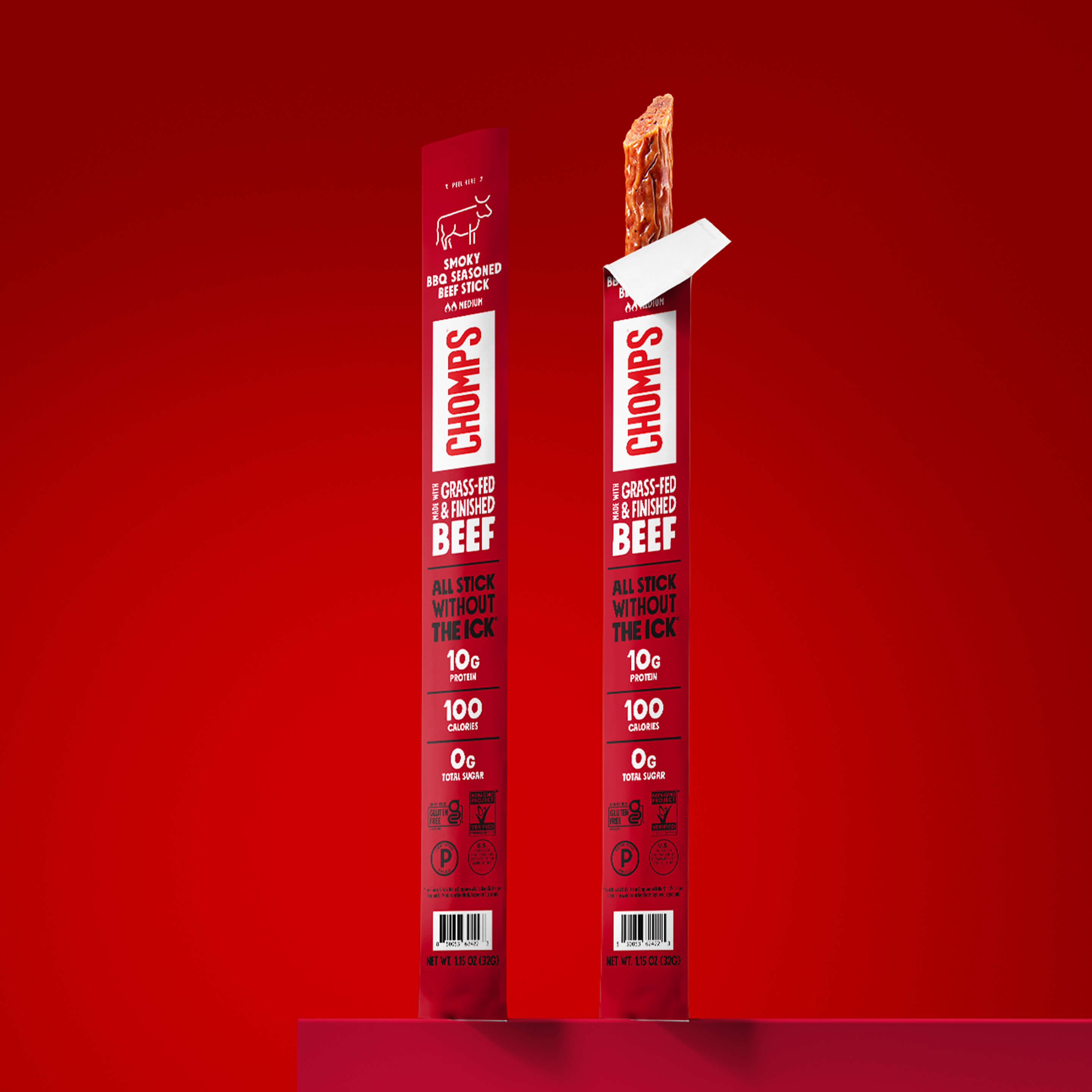
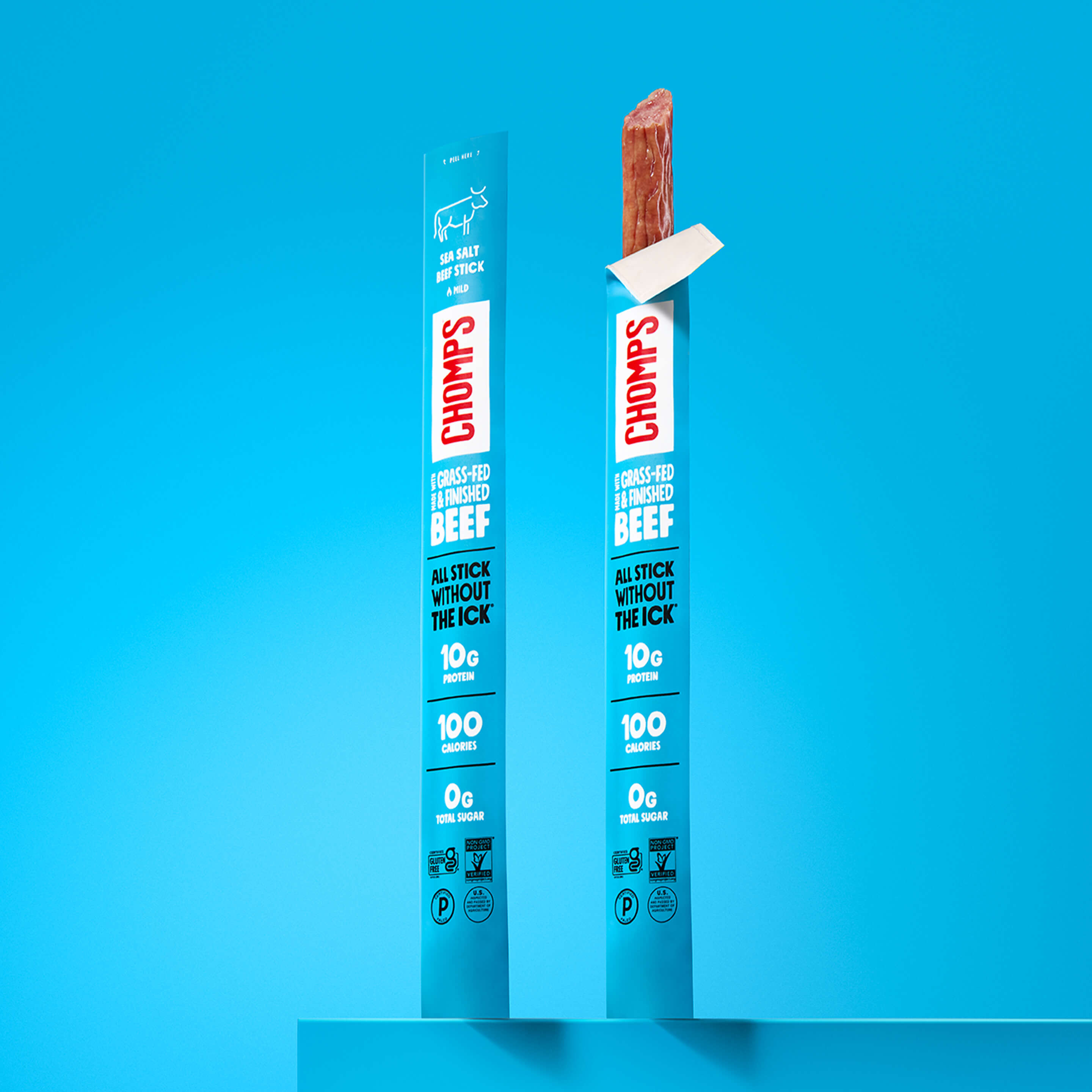
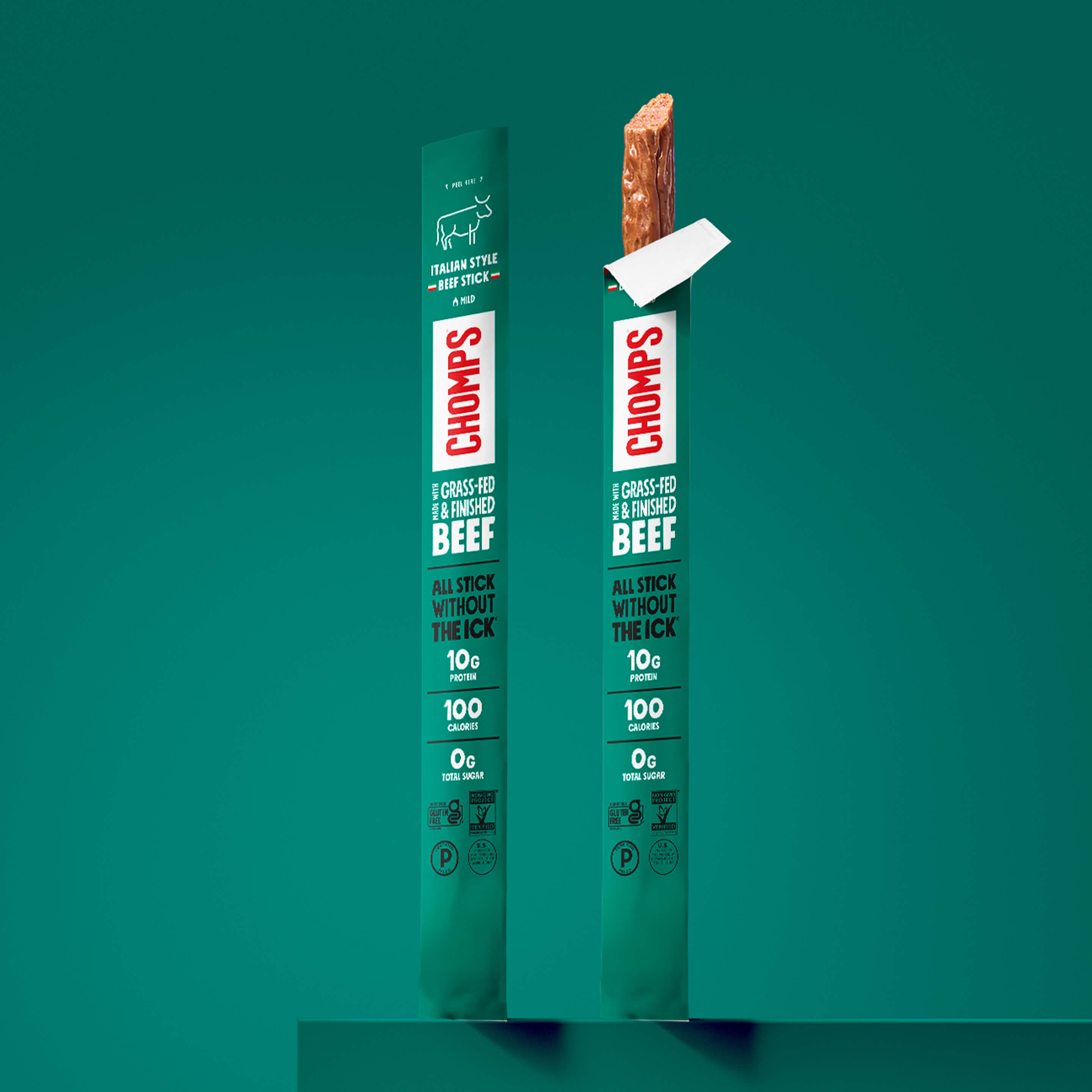
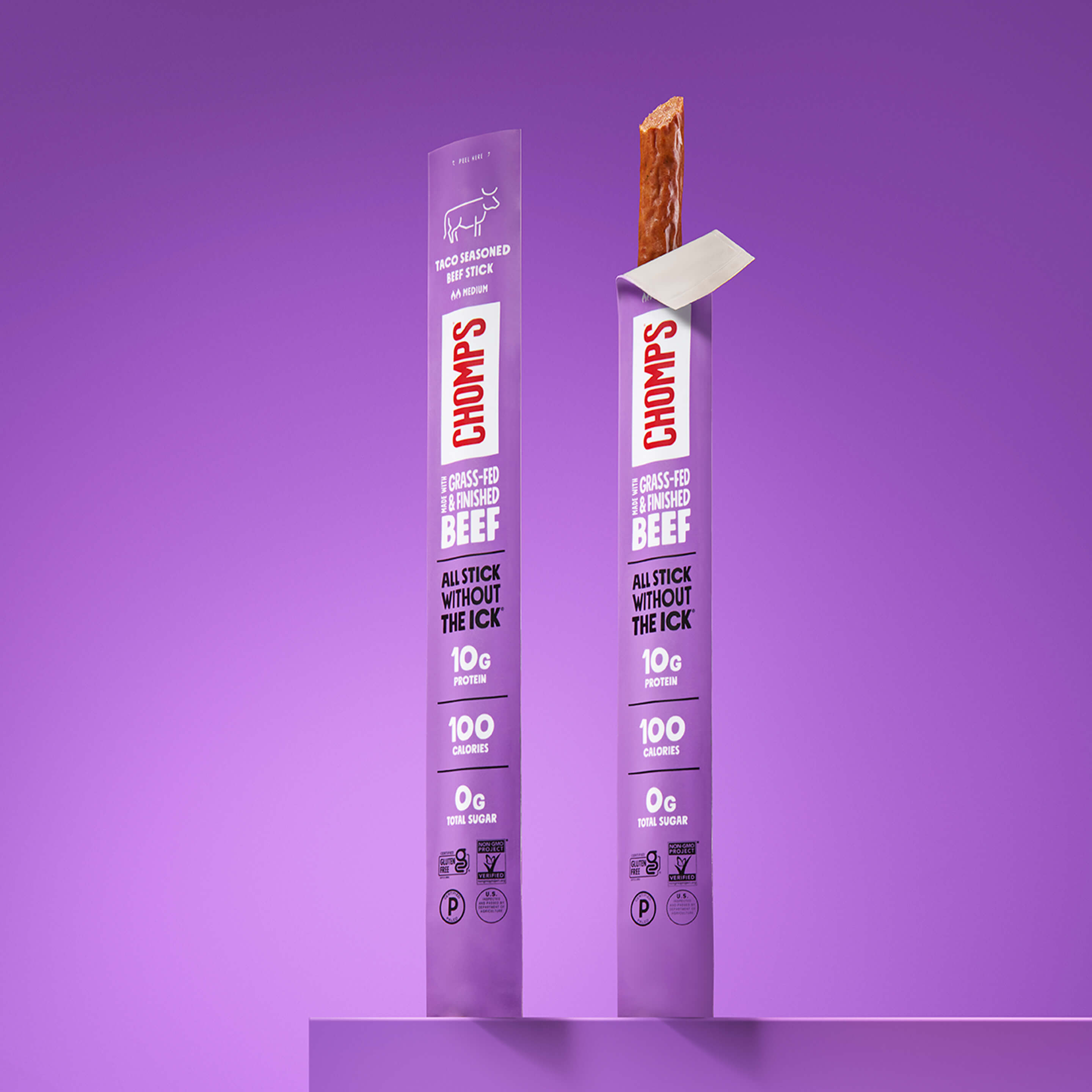
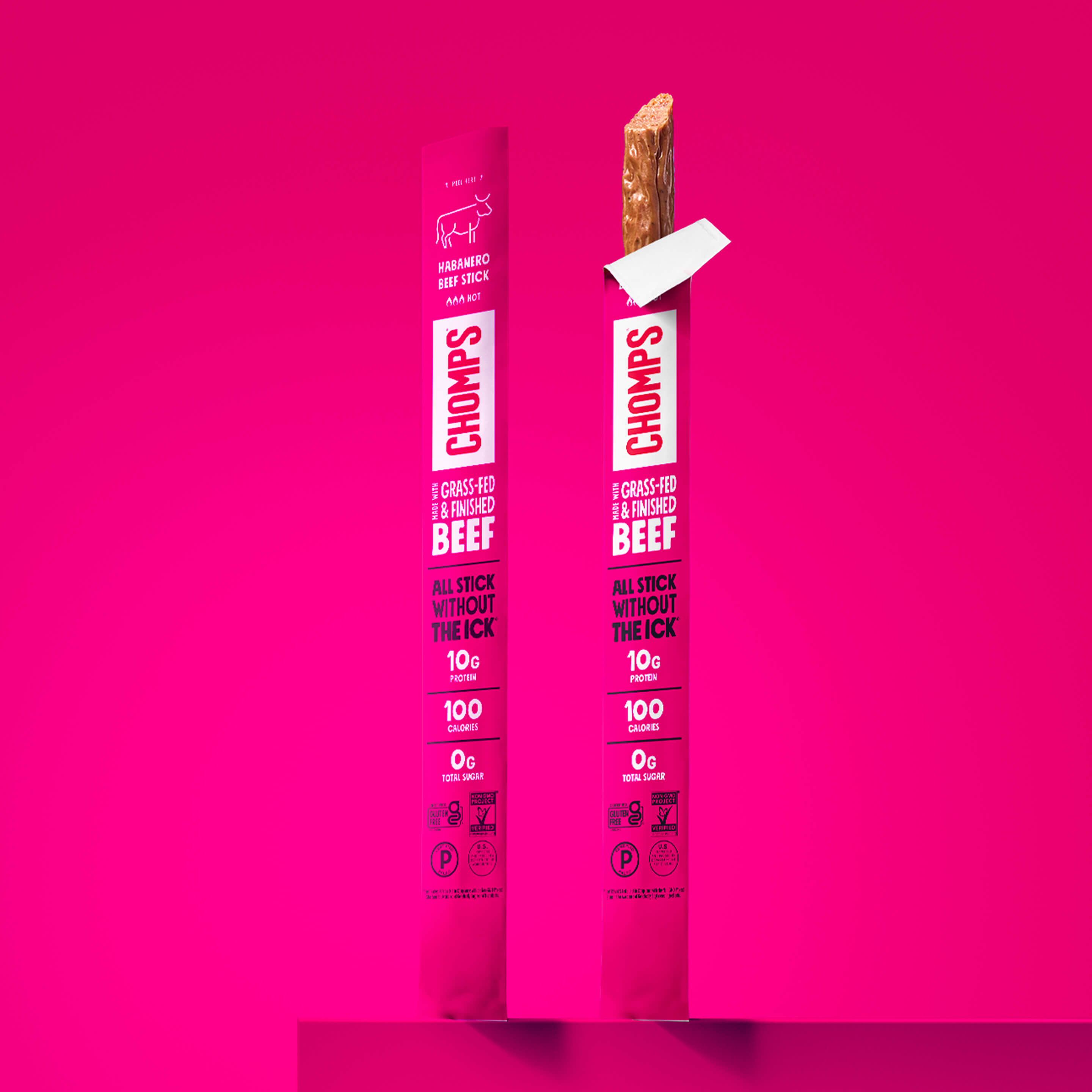
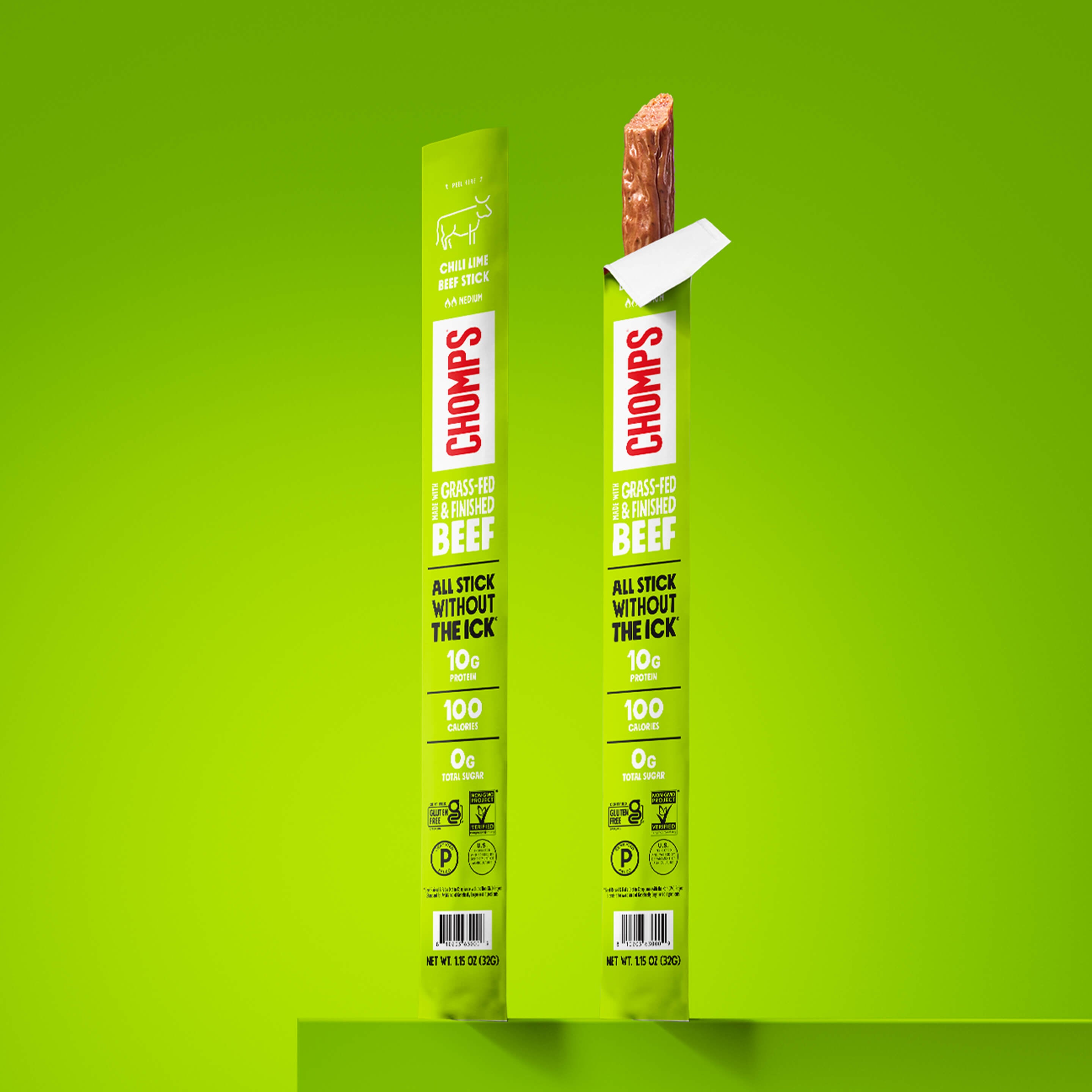
If you’re looking for convenient GLP-1 foods to eat that are protein-forward, portable snacks like Chomps meat sticks can also help you stay on track between meals. For more ideas, check out these healthy snacks for diabetics and this guide to beef jerky for weight loss.
2. Fiber-Rich Foods
Fiber supports healthy digestion, helps regulate blood sugar, and increases fullness. Since GLP-1 medications already slow down how quickly food moves through your digestive tract, GLP-1 foods that are high in fiber can help you stay more regular and reduce constipation.
Vegetables
-
Leafy greens
-
Broccoli
-
Brussels sprouts
-
Carrots
-
Asparagus
-
Sweet potatoes
Fruits
-
Apples
-
Berries
-
Pears
-
Avocados
Whole Grains
-
Oats
-
Barley
-
Quinoa
-
Brown rice
Seeds
-
Chia seeds
-
Flax seeds
For more ideas on nutrient-dense, fiber-rich GLP-1 foods to eat, check out this guide to volume eating, these low-point Weight Watchers snack ideas, and these high-volume low-calorie snacks.
3. Healthy Fats
Healthy fats help support satiety and may improve meal satisfaction, which can be especially important when appetite changes make eating feel less enjoyable. While healthy fats are beneficial, portion size matters. Because very large, high-fat meals can worsen nausea or digestive discomfort, some individuals may find that these are types of GLP-1 foods to avoid.
Healthy Fat Sources
-
Olive oil
-
Avocados
-
Almonds
-
Walnuts
Omega-3 Rich Fish
-
Salmon
-
Mackerel
-
Sardines
4. Fermented Foods
Fermented dishes are excellent GLP-1 foods. They may help support gut health and digestion, which can become especially important while taking medications that alter gastric emptying.
Examples include:
-
Kefir
-
Yogurt
-
Sauerkraut
-
Kimchi
-
Miso
The gut microbiome may influence GLP-1 signaling and appetite regulation, making fermented GLP-1 foods an interesting addition to a balanced eating plan.
GLP-1 Foods to Avoid
Not every food works well with GLP-1 medications. Some foods may increase nausea, trigger blood sugar spikes, or leave you feeling sluggish and uncomfortable.
Knowing which items are GLP-1 foods to avoid is crucial, as low-fiber, sugary items rapidly spike insulin and can actively blunt your body's natural GLP-1 response, working directly against your health goals. Highly processed foods are often less filling and easier to overeat, even with appetite suppression.
GLP-1 foods to avoid may include:
-
Sugary snacks and desserts
-
Highly processed carbohydrates like white bread and pastries
-
Sugary beverages
-
Fried foods
-
Certain high-fat fast foods
-
Heavy cream sauces
-
Large portions of greasy foods
Your reaction to these foods will be personal, as some people can enjoy these foods in smaller portions. The goal with a balanced GLP-1 diet is not to create strict food rules, but to avoid foods that worsen side effects for you or crowd out protein, fiber, and nutrients your body needs.
Reducing added sugar intake may also help support more stable energy levels. You can learn more about GLP-1 foods to avoid in these guides to a sugar detox plan and sugar detox tips.
Your Go-To GLP-1 Snacks
Snacking can feel different on GLP-1 medications. Some people feel full quickly, while others struggle to eat enough protein throughout the day. Small, balanced GLP-1 snacks can help you meet your nutrient needs without feeling overwhelmed.
Chomps Meat Sticks
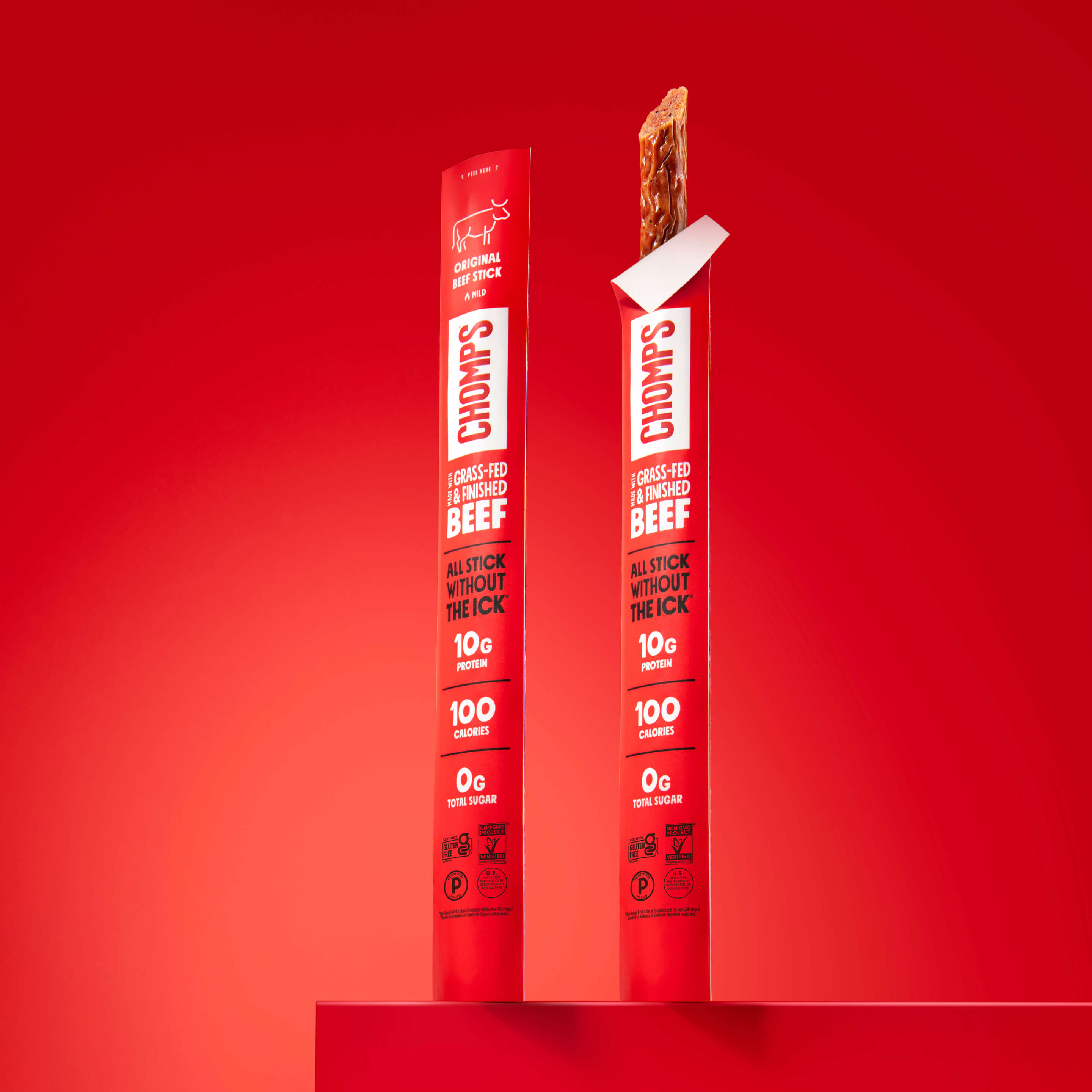
Chomps meat sticks are a convenient GLP-1 snack option because they provide protein in a portable, shelf-stable format without added sugar. Pairing protein with fiber-rich foods like fruit or vegetables may help support fullness and stable energy levels.
Some easy combinations include:
-
Original beef stick + apple slices
-
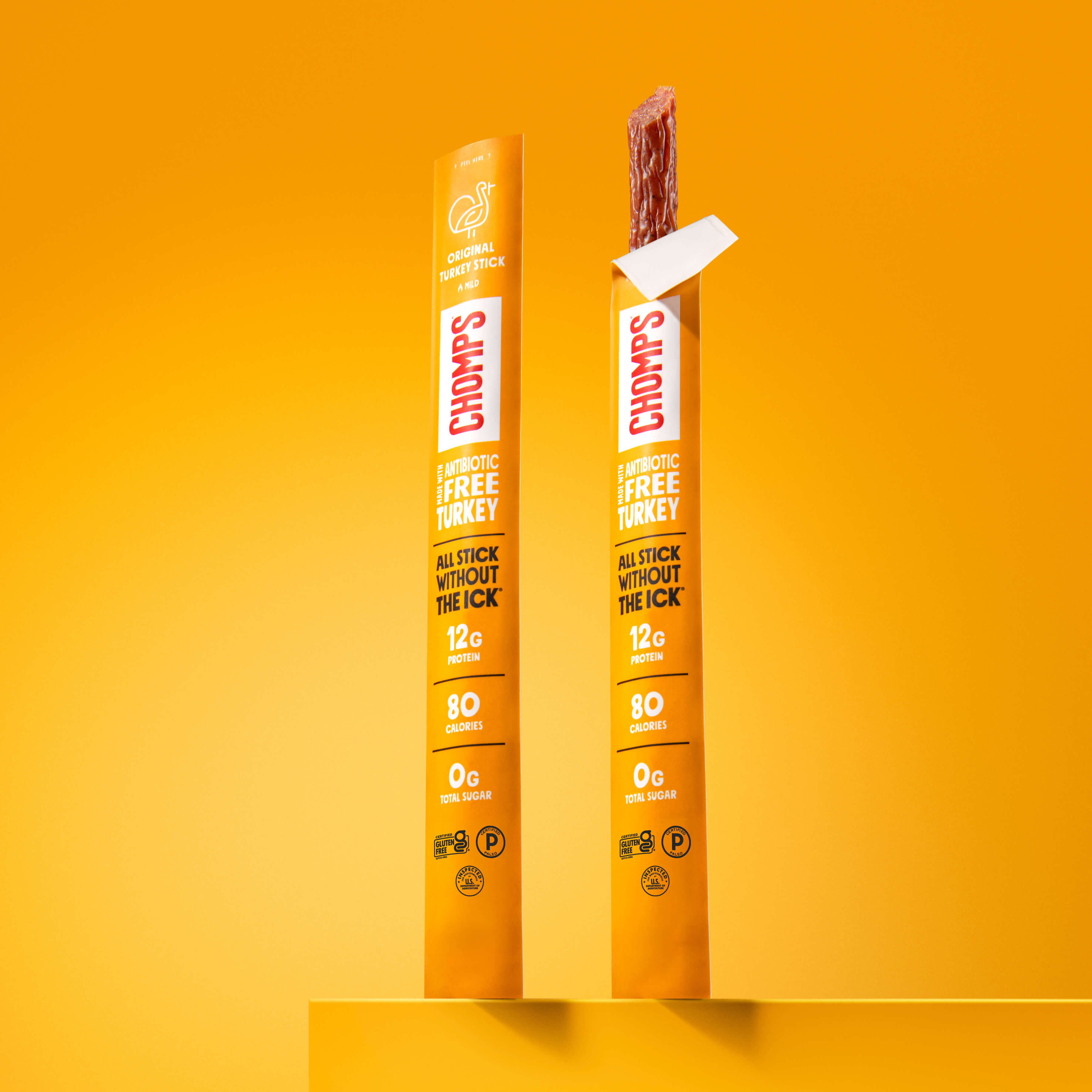
Turkey stick + carrots and hummus
-
Chicken stick + high fiber crackers
-
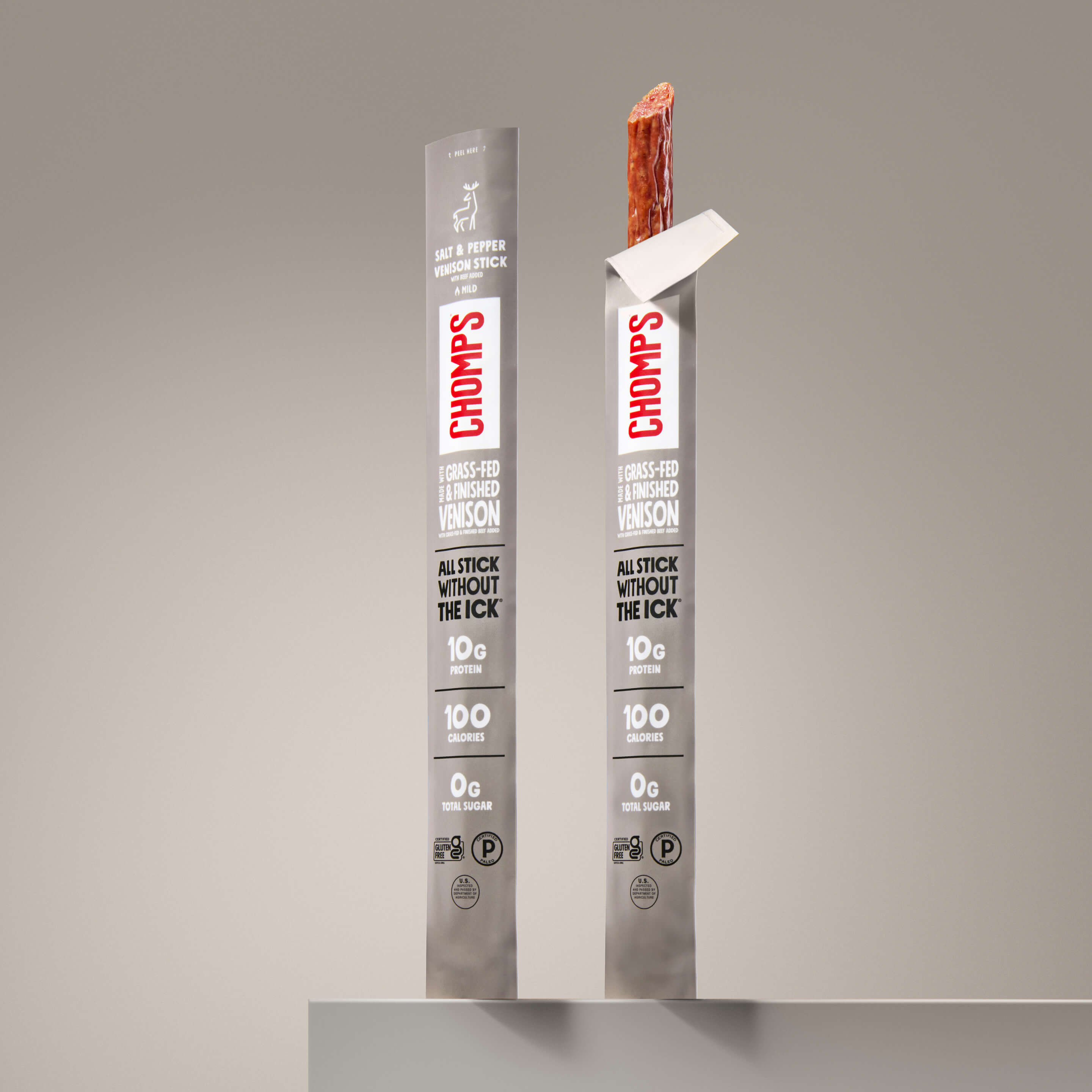
Venison stick + almonds
Greek yogurt with berries
Greek yogurt is rich in protein, which may help support fullness and muscle maintenance while taking GLP-1 medications. Pairing it with berries adds fiber and sweetness without a large blood sugar spike.
Cottage Cheese and Fruit
Cottage cheese provides a satisfying combination of protein and calcium, while fruit adds fiber and carbohydrates for balanced energy. This can work well as a light snack or small meal when appetite is lower.
Hard-Boiled Eggs
Hard-boiled eggs are a simple, portable snack packed with protein and healthy fats. They’re also easy to prep ahead of time. As GLP 1 foods, they may be gentler on the stomach for people dealing with nausea.
Protein Smoothies
Protein smoothies can be helpful GLP-1 foods to eat on days when full meals feel difficult. Blending protein with fruit, yogurt, or nut butter may help you increase nutrient intake without relying on large portions.
You can also check out these clean eating snacks and sugar-free snacks for additional ideas for GLP 1 foods to eat.
Tips for GLP-1 Support
In addition to choosing the right nutrient-rich foods and identifying GLP-1 foods to avoid that make side effects worse, here are a few more tips to build a healthy, balanced diet while on GLP-1 medications.
Combine Carbs with Protein
Build meals and snacks to include carbohydrates with protein to stabilize blood sugar and improve satiety. For example:
-
Apple + chicken meat stick
-
Banana + Greek yogurt
-
Crackers + turkey stick
Stay Hydrated
Hydration becomes even more important on GLP-1 medications, especially if you’re eating less overall. Be sure you are regularly drinking water or using electrolyte beverages if needed. Hydrating GLP-1 foods like watermelon or cucumber can also help you stay hydrated.
Manage Side Effects
If nausea occurs, bland and easy-to-digest foods in smaller portions may help reduce discomfort. Foods like toast, rice, bananas, and applesauce can be easy to tolerate.
GLP-1 Foods Key Takeaways
The best GLP-1 foods focus on protein, fiber, healthy fats, and minimally processed ingredients that support fullness and stable blood sugar. Rather than restrictive diets, build meals around foods high in fiber and protein that provide quality nutrition.
Consistency matters more than perfection. Choosing GLP-1 friendly foods can help support energy, digestion, muscle retention, and long-term success.
FAQs about GLP-1 Diet Plan
What is the best diet for GLP-1?
The best diet for GLP-1 medications focuses on protein, fiber, hydration, and minimally processed foods.
What to eat for breakfast on GLP-1?
Good breakfast options include:
-
Greek yogurt with berries
-
Eggs and whole-grain toast
-
Protein smoothies
-
Oatmeal with chia seeds and nuts
What snacks can you eat on GLP-1?
GLP1 snacks should ideally include protein and fiber. Options include meat sticks, Greek yogurt, cottage cheese, nuts, fruit, or hummus with vegetables.
What do I eat in a day on GLP-1?
A balanced day may include:
-
Protein-focused breakfast
-
Fiber-rich lunch
-
Protein snack
-
Balanced dinner with vegetables, protein, and healthy fats
-
Plenty of fluids throughout the day
What foods are high in GLP-1?
Foods do not actually contain the GLP-1 hormone, but certain GLP 1 foods stimulate your body to produce more of it naturally. The best GLP 1 foods to eat to boost these levels are those rich in lean proteins (like poultry, fish, and tofu), soluble fiber (like oats, beans, and chia seeds), and healthy fats (like avocados and olive oil).
What not to eat on GLP-1?
When considering GLP-1 foods to avoid, you should limit highly processed items, refined sugars, and very large, high-fat meals. These can trigger sudden insulin spikes, suppress your body's natural GLP-1 response, and worsen common gastrointestinal side effects like nausea, gas, or bloating.
Can you eat Chomps meat sticks on GLP-1?
Yes! Chomps meat sticks are an excellent choice of GLP-1 foods to eat. They provide high-quality, lean protein with clean ingredients. Incorporating protein-dense snacks helps support long-lasting fullness, calms cravings, and protects vital muscle mass while taking GLP-1 medications.
Can you eat bananas on GLP-1?
Of course! Bananas are great to include in your routine because they supply soluble fiber, including prebiotic fibers like inulin. This type of fiber supports digestive health and naturally prompts your gut to release GLP-1.
Can you eat Greek yogurt on GLP-1?
Yes. Greek yogurt is an exceptional option because it is rich in both protein and calcium, a combination that actively enhances your body's natural GLP-1 production. It also contains beneficial probiotics that support overall gut health and digestion.
Can you eat eggs on GLP-1?
Eggs are great GLP 1 foods to eat. They are a highly satisfying source of lean protein. Eating eggs naturally triggers a GLP-1 response. This helps you stay full longer while supporting muscle retention.
Even More for you to Chew On

The Daily Chomp
 Our Blog
10 Camping Meals Perfect for Outdoor Adventures
Our Blog
10 Camping Meals Perfect for Outdoor Adventures
 Our Blog
10 Festival Snacks to Bring to Concerts or Music Festivals
Our Blog
10 Festival Snacks to Bring to Concerts or Music Festivals
 Our Blog
What to Bring to a Picnic: Checklist of Essentials & Items
Our Blog
What to Bring to a Picnic: Checklist of Essentials & Items
 Our Blog
25 Healthy Halloween Snacks for Kids & Parties
Our Blog
25 Healthy Halloween Snacks for Kids & Parties
 Our Blog
Low Fat Snacks That Are Satisfying & Tasty
Our Blog
Low Fat Snacks That Are Satisfying & Tasty
 Our Blog
The Best Bulking Snacks for Muscle & Healthy Weight Gain
Our Blog
The Best Bulking Snacks for Muscle & Healthy Weight Gain
 Our Blog
BHA and BHT in Food: What They Are & Why Preservatives Can Be Bad for You
Our Blog
BHA and BHT in Food: What They Are & Why Preservatives Can Be Bad for You
 Recipes
15 Low Calorie Breakfast Ideas That Keep You Full
Recipes
15 Low Calorie Breakfast Ideas That Keep You Full
 Recipes
Halloween Charcuterie Board: How to Make a Spooky Spread
Recipes
Halloween Charcuterie Board: How to Make a Spooky Spread
 Our Blog
20 Halloween Breakfast & Brunch Ideas with Recipes
Our Blog
20 Halloween Breakfast & Brunch Ideas with Recipes