








Key Takeaways
-
Understanding the difference between grass fed and grass finished beef starts with the diet: grass-fed cattle may still receive supplemental grain, especially in the final stages of growth
-
Grass fed grass finished beef means cattle ate an exclusively grass-and-forage diet from birth to processing. No grains at any point.
-
Grass fed and finished beef is typically leaner, with a richer and more complex flavor profile
-
Labeling matters: "100% grass fed and finished" is the most reliable claim to look for on packaging
-
Taste, fat content, and nutritional profile (including omega-3s and CLA levels) can all differ based on the animal's diet in grass-fed vs grass-finished beef.
In the world of nutrition and sustainable farming, the terms "grass-fed" and "grass-finished" are often thrown around. But what do these terms really mean?
The difference between grass fed and grass finished beef confuses a lot of people. The terms sound nearly identical, but they mean very different things when it comes to how cattle are raised, what ends up on your plate, and what you're actually getting nutritionally.
As a dietitian passionate about food quality and its impact on health, I get questions about grass-fed vs grass-finished beef all the time. People want to know which is healthier, which tastes better, and whether the labels they're reading can actually be trusted.
In this article I'll break it all down so you can make informed choices, whether you're shopping for a dinner cut or reaching for a beef jerky snack on the go. Keep reading to understand the difference between grass fed and grass finished beef.
What Does Grass-Fed Beef Mean?
When discussing grass-fed vs grass-finished beef, it helps to start with the basics. Grass-fed beef comes from cattle that graze on grass for the majority of their lives, but here's where it gets nuanced.
"Grass-fed" alone doesn't necessarily mean the animal ate grass exclusively. In many cases, cattle are transitioned to a grain-based diet during the final weeks or months before processing.
This finishing period on grain is common in conventional beef production because it accelerates weight gain and produces the heavier marbling many consumers associate with tender, flavorful beef. However, that grain finishing period can also shift the nutritional profile of the meat, which is exactly why understanding grass fed and finished beef meaning matters before you buy.
What Does Grass-Finished Beef Mean?
On the contrary, grass-finished beef is exclusively raised on a diet of grass and forage from start to finish. This means that from birth to processing, these animals do not consume grains or any other supplementary feeds.
The main difference between grass fed vs grass finished beef is that the latter results in leaner meat with a richer flavor profile. This is due to the variety of grasses and plants consumed.
Why does this difference between grass fed and grass finished beef matter? The nutritional composition of beef can vary based on the animal's diet.
Cattle that are grass fed vs grass finished tend to result in beef with higher levels of beneficial nutrients such as omega-3 fatty acids and conjugated linoleic acid (CLA). However, when cattle are fed grains, the nutrient profile may shift. This could potentially change the health benefits associated with grass-fed beef.
Grass-finished beef also has some notable characteristics in terms of taste and texture:
-
A more complex, sometimes described as "earthier" flavor profile.
-
A leaner texture with less marbling.
-
A darker, sometimes yellowish fat (which indicates higher beta-carotene content).
-
A firmer texture that many chefs appreciate for certain cooking applications.
This distinct taste comes from the diverse diet of grasses and forage that the cattle consume throughout their lives. It creates a flavor that's unique to the region where the animals were raised.
Grass Fed vs Grass Finished Beef: Key Differences
Grass-finished beef typically contains higher levels of omega-3 fatty acids and CLA compared to beef that's only grass-fed but grain-finished. These nutrients are associated with potential anti-inflammatory properties and heart health benefits.
Always check the nutrition labels of beef products for "grass-fed" and "grass-finished" to ensure you’re supporting sustainable farming practices, prioritizing animal welfare, and getting a superior taste. Keep in mind that the term "grass-fed" means cows were mainly fed grass but may also have consumed grain.
On the other hand, the terms "grass fed and finished," "100% grass-fed," and "100% grass fed and finished" indicate that the beef was exclusively raised on a diet of grass.
Understanding the difference between grass fed and grass finished is especially important when choosing high-protein snacks like beef sticks where sourcing quality directly impacts nutritional value. If you're looking for a good source of protein that doesn't cut corners on ingredient quality, knowing how to read these labels is a great place to start.
|
Category |
Grass-Fed |
Grass-Finished |
|
Diet |
Primarily grass, may include grain finishing |
100% grass and forage, birth to processing |
|
Fat content |
Slightly higher due to grain finishing |
Leaner, less marbling |
|
Omega-3 fatty acids |
Present, may be lower if grain-finished |
Higher levels |
|
CLA |
Present, may be lower if grain-finished |
Higher levels |
|
Flavor |
Mild, closer to conventional beef |
Earthier, more complex |
|
Fat color |
White to pale yellow |
Deeper yellow (higher beta-carotene) |
|
Labeling |
"Grass-fed" - grain finishing may still apply |
"100% grass-fed and finished" |
Is Grass-Finished Better Than Grass-Fed?
When comparing grass fed vs grass finished beef, many consumers wonder which option is superior. The answer largely depends on what you value most in your food choices.
From a flavor perspective, true grass-finished beef offers a distinct taste that reflects the animal's natural diet. When discussing the difference between grass fed and grass finished beef, this complex flavor profile is one reason many culinary experts prefer the latter.
That said, both options are nutritionally superior to conventionally raised grain-fed beef. If your priority is maximum nutrient density (particularly higher omega-3s and CLA) grass-finished beef is the stronger choice. If accessibility or budget is a factor, grass fed beef still offers meaningful benefits over conventional alternatives.
Does 100% Grass-Fed Mean Grass-Finished?
This is an important distinction for conscious consumers to understand. The term "100% grass-fed" should ideally indicate that cattle were exclusively fed grass throughout their entire lives. However, labeling can sometimes be misleading.
Without specific regulations governing these terms, some producers might market beef as "grass-fed" even if the animals received grain supplementation during the final weeks or months of their lives. To ensure you're getting what you expect, look specifically for products labeled "100% grass fed and finished" or "grass-fed and grass-finished beef”.
Determining the authenticity of grass-fed claims requires some detective work:
-
Look for specific certifications: Organizations like the American Grassfed Association provide verification for producers following strict standards.
-
Check for transparency: Reputable companies are forthcoming about their sourcing practices and clearly state that they use 100% grass fed and finished beef. For example, a big part of the story here at Chomps is being transparent about our ingredients and so consumers can make informed choices.
-
Examine the color and fat: Grass fed and finished beef typically has a deeper red color and yellowish fat compared to grain-fed alternatives.
Chomps' Commitment to High-Quality Beef (100% Grass Fed and Finished)
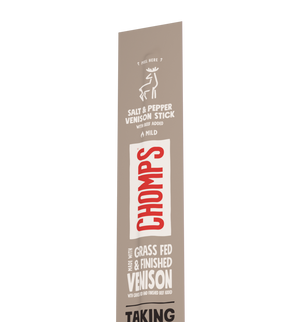
Thankfully, Chomps is committed to providing consumers with top-tier nutrition and flavor. When it comes to making high-quality beef jerky, they understand the significance of using grass fed grass finished beef.
At Chomps, transparency and ingredient quality go hand in hand. That commitment shows up in every product:
-
Responsibly sourced beef: cattle raised on grass from birth to processing, without grain supplementation
-
Focus on real ingredients: no unnecessary fillers, additives, or artificial ingredients
-
Transparent labeling standards: clearly communicating sourcing so consumers can make informed choices
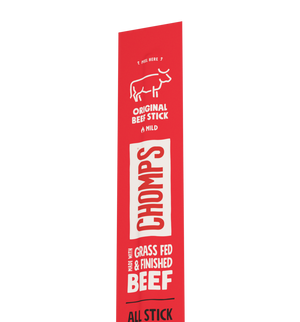
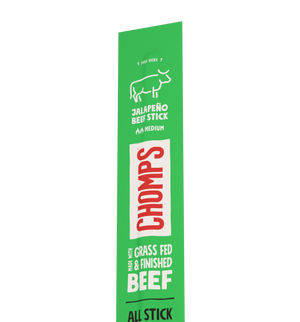
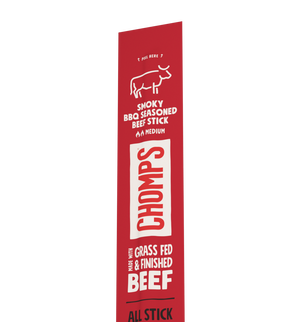
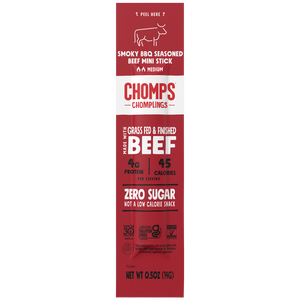
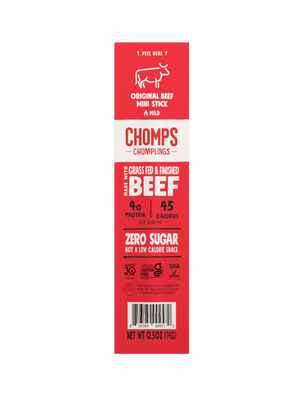
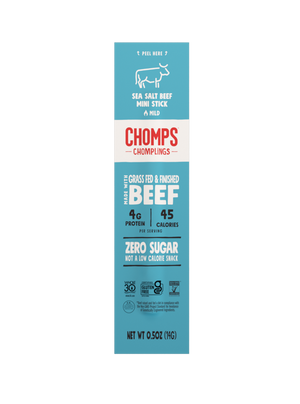
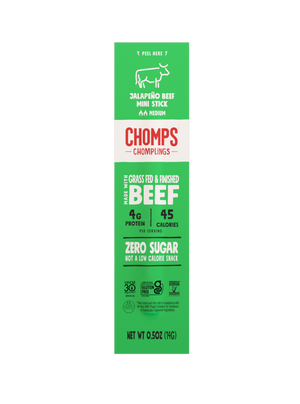
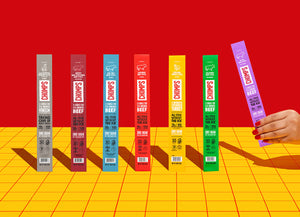
Their products, including their Original, Jalapeño, and Smoky BBQ beef sticks, offer both health benefits and taste. Compared to many other brands, the difference between grass fed and grass finished beef sticks from Chomps is a commitment to nutritious jerky snacks.
The mission here at Chomps is to provide snacks made with only the highest quality, thoughtfully-sourced ingredients that deliver both nutrition and flavor without compromise. That includes grass finished and grass fed beef.


