

Key Takeaways
Smart snacking isn't about willpower. It's about being prepared and making intentional choices that actually fuel you.
-
Build snacks around protein, healthy fat, and a carb source to stay full and energized between meals.
-
Stick to whole, minimally processed foods. Think fruits, veggies, nuts, and quality proteins like Chomps meat sticks.
-
Check nutrition labels and skip anything loaded with added sugar, excess sodium, or unhealthy fats.
-
Prep ahead so you're never stuck grabbing whatever's closest when hunger hits.
-
Eat with intention. Slow down, ditch the distractions, and actually enjoy what you're eating.
Smart snacking is an approach for supporting energy and focus, managing hunger, and benefiting your overall health. It’s about snacking with strategy rather than mindlessly grabbing what’s there when your stomach is growling, to help optimize the nutritional quality of what you choose.
What Smart Snacking Looks Like
Smart snacking should be personalized to your needs and preferences, but generally includes:
-
Balanced combinations: Striking a nutritional balance isn’t just for main meals. When smart snacking, try to pair a protein, healthy fat, and carb source. For instance, apples with peanut butter, whole-grain crackers with cheese, yogurt with berries, or a Chomps meat stick with some baby carrots.
-
A whole foods-first approach: When creating a balanced plate of smart snacks in schools or work places, aim to prioritize whole and minimally processed items first, such as fruits, vegetables, unsalted nuts, and low-fat dairy.
-
Mindful eating: It’s easy to fall into mindless snacking habits, like eating straight out of a bag in front of a screen. Instead, try to be intentional about your snack time, reducing distractions (e.g., putting down your phone and not watching TV), and sitting at a table, to savor your snack and be able to recognize feelings of fullness.
-
Reading nutrition facts labels: For packaged items, review the ingredient list and nutrition panel. Opt for smart snacks low in added sugar and sodium. Look for items that provide at least 3 grams of fiber per serving.
-
Staying prepared: Wash and cut fruits and vegetables beforehand, divvy up snacks into bags, or carry nuts and whole-grain crackers for convenient on-the-go options.
Incorporating these simple practices can mean the difference between mindless snacking and making smart, nutrient-dense options that stick with you, for kids, toddlers, teens, students, and adults.
Smart Snacks List
Below are some healthy and easy ideas for making smart snacks in schools and workplaces.
Fruit & Dairy
Fruit and dairy products go well together, offering a cooling combination of protein, fats, and fiber, along with vitamins, minerals, and antioxidants. Some great pairings from these two food groups include:
-
Apple slices or grapes with cheese
-
Yogurt with berries or bananas
-
Cottage cheese with sliced peaches or mandarin oranges
Veggies & Dip
This is an especially good strategy for smart snackers who want to boost their veggie intake and are seeking a lower-calorie plate, perhaps in the afternoon between lunch and dinner or for a lunch-box snack. Consider these combinations, offering fiber from vegetables and protein and fats from paired dips:
-
Celery with hummus, peanut butter, or cream cheese
-
Baby carrots with guacamole
-
Jicama with ranch dressing
-
Bell pepper slices with salsa
Whole Grains & Protein
Whole grains are packed with fiber and provide a bit of protein on their own, which you can boost by pairing them with protein-forward items. Below are some smart snacks in schools and workplaces that optimize protein and fiber with a little healthy fat:
-
Chomps meat sticks with whole-grain crackers
-
Whole wheat pita with string cheese
-
Rice cakes with almond butter
-
Half of a turkey sandwich on 100% whole wheat bread
Nuts & Seeds
If you’re looking for something simple and nutritious that also doesn’t require a substantial amount to make you satisfied, consider where you can add combos of nuts & seeds into your smart snacking plan:
-
Roasted unsalted mixed nuts
-
Raw almonds with raisins
-
Pistachios and dark chocolate pieces
-
Walnuts and sunflower seeds
-
Pecans and dried apricots.
Smart Snacking Tips
One of the best ways to set yourself up for success when it comes to smart snacking is to be prepared. A little prep work can go a long way, preventing last-minute decisions that often end up being less healthful than we intended.
Here are some tips that can help create smart snacks in schools and on-the-go:
-
Prep snacks in advance: Take a look at your week and consider the types of snacks that fit well. Perhaps you need something convenient to take to work, or are hoping to use up a bag of dried fruit on your shelf or the clementines in your fridge for after-school activity fuel. Brainstorming a few ideas, and then pre-bagging them, can make smart snacking a breeze.
-
Choose snacks with protein and fiber: Protein and fiber work together to keep you satisfied longer, support stable blood sugar, and benefit digestive health. Make these nutrients foundational to your smart snack plate by choosing them first and pairing other foods accordingly.
-
Keep portion sizes in check: A quick way to ensure that your snack doesn’t push you over your goals for the day is to be aware of portions. This can include reading the label to understand what the intended serving size is as well as being intentional about plating your snack. For example, choosing a smaller plate and making most of it fruits or vegetables, with smaller spaces allotted for higher-calorie, higher-fat foods like nuts.
-
Mix sweet and savory for balance: Flavor matters, so make plates of smart snacks you actually like. Creating smart snack combinations that bring out natural sweetness can help prevent overconsuming actual sweets. Alternatively, combine something sweet with something savory on the same snack plate, such as pretzels and dried fruit.
-
Avoid snacks high in sugar, salt, and unhealthy fats: Many packaged snack foods are labeled as “natural” and “healthy” when that may not be the case. Check nutrition facts panels and ingredient lists, looking for sources of added sugar, saturated fats, and high salt content (low-sodium foods contribute 140mg or less per serving).
-
Avoid snacking out of boredom or emotion: It’s easy to fall into a trap of mindless eating when there are countless ways to be busy and distracted. Start by paying attention to what your cues and motivations are for reaching for snacks, and identify whether this is an area for improvement. If so, having alternatives like reading a book, listening to a podcast, drinking a glass of water, or going out for a walk can help.
The Bottom Line
Smart snacking is a simple tool you can use to help make clean eating more strategic, particularly between your main meals. Planning ahead, including flavors you enjoy, and being mindful about pairing various nutrients, can make your plate satisfying, enjoyable, and nutrient-dense.
FAQs about Smart Snacks
What does smart snacking mean?
Smart snacking means eating between meals with intention, versus mindlessly grabbing whatever is available. It involves choosing nutrient-dense, balanced combinations of foods, being mindful, and planning ahead to support your energy, focus, and overall health.
What are considered smart snacks?
Smart snacks are generally whole, minimally processed foods that combine protein, healthy fat, and carbohydrates. They’re low in added sugar, sodium, and unhealthy fats, and ideally provide at least 3 grams of fiber per serving. When it comes to planning smart snacks in schools or on-the-go, think fruits, vegetables, low-fat dairy, nuts, seeds, and whole grains.
What are some smart snacks?
Some great smart snack options include apple slices with cheese, yogurt with berries, baby carrots with guacamole, celery with hummus, Chomps meat sticks with whole-grain crackers, rice cakes with nut butter, and roasted unsalted mixed nuts.
What are some smart snacking strategies?
Key smart snacking strategies include prepping snacks in advance, pairing protein with fiber, keeping portion sizes in check, mixing sweet and savory flavors, reading nutrition labels, and eating without distractions.
Are Chomps meat sticks considered a smart snack option?
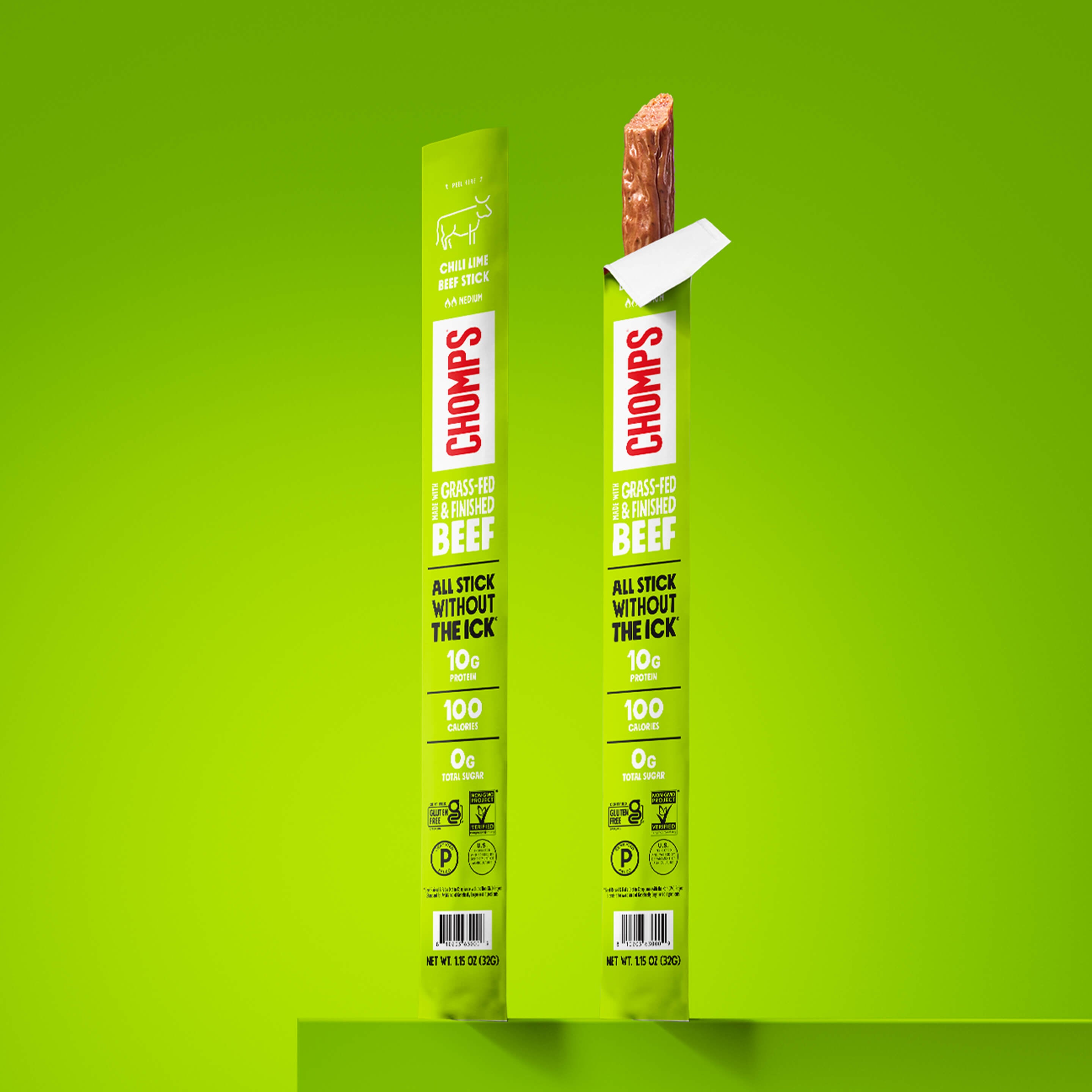
Yes! Chomps meat sticks are smart snacks because they are a convenient, protein-rich food that pairs well with other nutritious items. For example, combining a Chomps meat stick with whole-grain crackers and baby carrots creates a balanced snack with protein, fiber, and healthy carbs.
Even More for you to Chew On


The Daily Chomp
 Our Blog
10 Camping Meals Perfect for Outdoor Adventures
Our Blog
10 Camping Meals Perfect for Outdoor Adventures
 Our Blog
10 Festival Snacks to Bring to Concerts or Music Festivals
Our Blog
10 Festival Snacks to Bring to Concerts or Music Festivals
 Our Blog
What to Bring to a Picnic: Checklist of Essentials & Items
Our Blog
What to Bring to a Picnic: Checklist of Essentials & Items
 Our Blog
25 Healthy Halloween Snacks for Kids & Parties
Our Blog
25 Healthy Halloween Snacks for Kids & Parties
 Our Blog
Low Fat Snacks That Are Satisfying & Tasty
Our Blog
Low Fat Snacks That Are Satisfying & Tasty
 Our Blog
The Best Bulking Snacks for Muscle & Healthy Weight Gain
Our Blog
The Best Bulking Snacks for Muscle & Healthy Weight Gain
 Our Blog
BHA and BHT in Food: What They Are & Why Preservatives Can Be Bad for You
Our Blog
BHA and BHT in Food: What They Are & Why Preservatives Can Be Bad for You
 Recipes
15 Low Calorie Breakfast Ideas That Keep You Full
Recipes
15 Low Calorie Breakfast Ideas That Keep You Full
 Recipes
Halloween Charcuterie Board: How to Make a Spooky Spread
Recipes
Halloween Charcuterie Board: How to Make a Spooky Spread
 Our Blog
20 Halloween Breakfast & Brunch Ideas with Recipes
Our Blog
20 Halloween Breakfast & Brunch Ideas with Recipes